
Heart health is a crucial aspect of overall wellness, and understanding conditions that affect it can empower you to make informed choices. One such condition is second degree atrioventricular block (AV block), an issue that affects how electrical signals travel through the heart. Although it may sound complex, breaking it down into simpler terms can help clarify this condition’s significance.
What is Second Degree Atrioventricular Block?
Second degree atrioventricular block refers to a partial blockage in the heart’s electrical conduction system. In essence, the electrical signals that control heartbeats do not consistently reach the ventricles—the heart’s lower chambers. This can lead to an irregular heartbeat, also known as arrhythmia.
Types of Second Degree AV Block
There are two primary types of second degree AV block:
- Type I (Wenckebach): This occurs when electrical signals are progressively delayed until one signal is completely blocked. After this blocked signal, the cycle resets, and the process starts over.
- Type II: In this situation, some signals are blocked without the gradual delays seen in Type I. This type is considered more serious, as it is more likely to progress to a complete heart block.
Symptoms You Might Experience
People with second degree AV block may experience a range of symptoms. Some individuals may have no noticeable symptoms at all, while others may experience:
- Fatigue
- Dizziness or lightheadedness
- Fainting spells
- Shortness of breath
- Palpitations or irregular heartbeats
If you notice any of these symptoms, it’s important to consult a healthcare provider for an evaluation.
What Causes Second Degree AV Block?
There are several potential causes of second degree atrioventricular block, including:
- Coronary artery disease: Reduced blood flow to the heart can impact electrical conduction.
- Cardiomyopathy: This condition affects the heart muscle and can lead to various heart issues.
- Medications: Some medications used to treat heart conditions can cause AV block as a side effect.
- Age: The risk of developing AV block increases with age, often due to degeneration of the conduction system.
- Structural heart issues: Congenital or acquired structural heart defects can disrupt normal conduction.
Diagnosis of Second Degree AV Block
Diagnosing second degree AV block typically involves several steps. Your healthcare provider may start with a complete medical history and physical exam. Following this, they may administer:
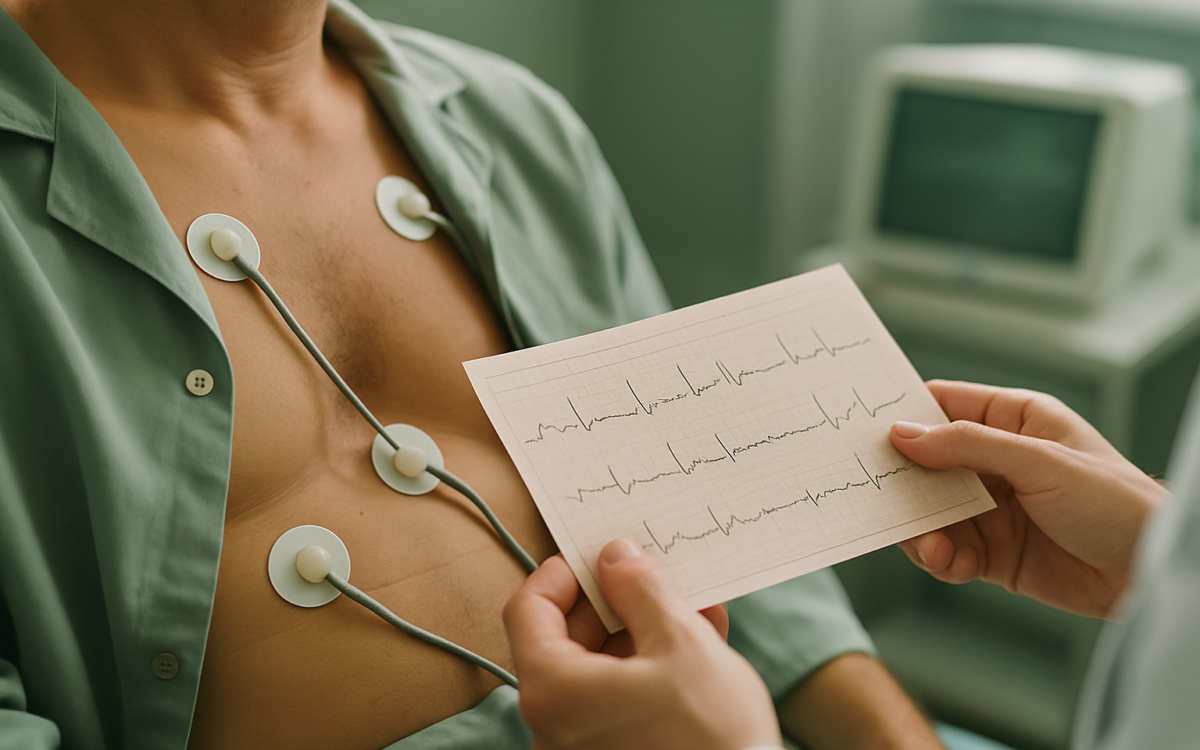
- Electrocardiogram (ECG): This is a key tool in detecting heart rhythm abnormalities. It records the electrical activity of the heart and can reveal the presence and type of AV block.
- Holter monitor: This portable device records heart rhythms over 24 hours or more, providing a comprehensive view of heart function during everyday activities.
- Exercise stress test: This test examines how the heart responds to physical exertion, identifying potential issues with the electrical system under stress.
For a more detailed examination, further tests may be required, but the above tests are generally the first steps in diagnosing AV block.
Treatment Options
Treatment for second degree AV block varies based on its severity and the presence of symptoms. Options may include:
- Monitoring: If you have no symptoms, your doctor might recommend regular check-ups to monitor your heart’s condition.
- Adjusting medications: If certain medications are responsible for the block, your doctor may adjust your treatment plan.
- Pacing: In more severe cases, particularly Type II AV block, a pacemaker might be necessary. This device helps regulate the heart’s electrical signals, ensuring a consistent heartbeat.
Decisions about treatment should always be made collaboratively with your healthcare provider.
Living with Second Degree Atrioventricular Block
Living with second degree AV block can be manageable, especially with proper monitoring and care. Here are some tips to help you:
- Stay informed about your heart health and treatment options.
- Attend regular follow-ups with your healthcare provider.
- Maintain a heart-healthy lifestyle, including a balanced diet and regular exercise as recommended by your doctor.
- Avoid alcohol and tobacco, as these can exacerbate heart conditions.
Engaging in open conversations with your healthcare provider can also help alleviate concerns and keep you on track with your management plan.
When to See a Doctor
If you experience any symptoms such as sudden dizziness, fainting, severe fatigue, or shortness of breath, it is crucial to seek medical attention promptly. Even mild symptoms can indicate changes in your heart’s condition that require evaluation.
Conclusion
Second degree atrioventricular block is a condition that, while it can sound alarming, is manageable with appropriate care and monitoring. By understanding this condition, its causes, symptoms, and treatment options, you empower yourself and make informed decisions for your heart health. Always consult your healthcare provider to discuss your unique situation and any concerns you may have.
For more information, you can visit reputable sources such as NIH, Mayo Clinic, and WHO.
