
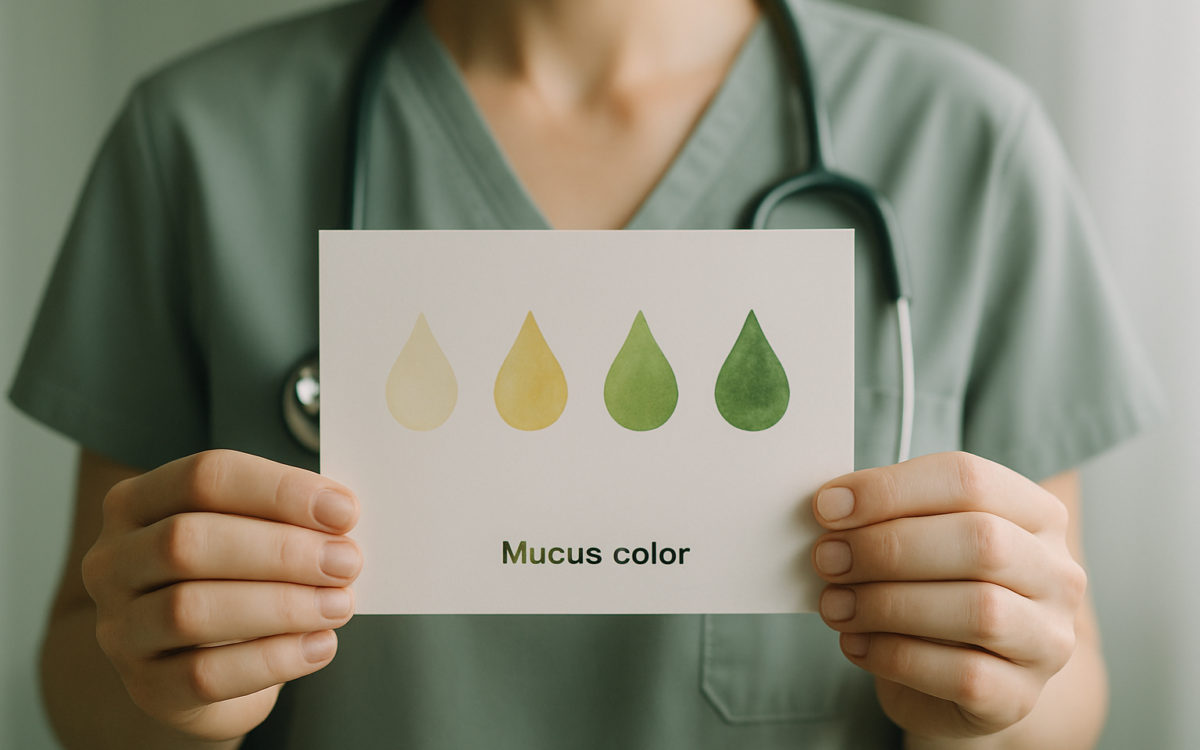
Mucus is a slippery substance produced by your body to keep your tissues moist and protected. It plays a crucial role in your health, especially in your respiratory system. But did you know that the color of mucus can reveal a lot about your health? Understanding the different mucus colors can help you discern when you might be experiencing a common cold, allergies, or something more serious. Let’s explore the meanings behind mucus colors and when you should consider seeking medical advice.
What Is Mucus and Why Do We Need It?
Mucus is composed of water, proteins, and other substances that help trap pathogens, dust, and debris, preventing them from entering the body. It is produced in various parts of your body, especially in your nose, throat, and lungs. In healthy individuals, mucus helps maintain moisture in these areas, which is vital for normal function and protection against infections.
The Color Spectrum of Mucus
Mucus comes in different colors, and each color can indicate specific health conditions. Here’s a breakdown of what different mucus colors might mean:
Clear Mucus
Clear mucus is typically a sign of healthy functioning. It indicates that your body is producing normal mucus without the presence of an infection. This type of mucus occurs during allergy seasons, as well as in individuals who are not experiencing any respiratory issues.
White Mucus
White mucus can indicate mild inflammation in the nasal passages or throat. Conditions like the common cold often produce white mucus as your body responds to infection. It may also occur if you are dehydrated or experiencing a sinus infection.
Yellow Mucus
When mucus turns yellow, it often suggests that your body is fighting an infection. The color change is usually due to white blood cells attacking the invaders. This can commonly occur during a common cold or a sinus infection. If yellow mucus is accompanied by other symptoms, such as a prolonged cough, it’s worth monitoring.
Green Mucus
Green mucus may signal a more intense immune response, as the color is often due to a high concentration of white blood cells and an infection that the body is fighting. Conditions such as sinusitis, bronchitis, and sometimes bacterial infections can cause green mucus. If you notice green mucus persisting for several days, you might want to consult a healthcare professional.
Brown Mucus
Brown mucus can be a sign of the presence of blood or dried blood in the respiratory tract. It might also be a result of inhaling irritants like smoke or dust. If you consistently see brown mucus, especially if it’s accompanied by other symptoms, seeking medical advice is advisable.
Red or Pink Mucus
Red or pink mucus often indicates bleeding somewhere in the respiratory system. This could result from a range of issues, from minor irritation to more serious conditions. It’s crucial to pay attention to this color change, as it could indicate a more serious underlying issue. It’s best to consult with a healthcare provider if you find red or pink mucus persisting or associated with other symptoms.
How Mucus Production Works
Mucus is produced by goblet cells and mucous glands located in the lining of your respiratory and digestive tracts. When these cells are stimulated by various factors—such as infections, allergies, pollutants, or irritants—they produce more mucus. While this process is essential for protecting your body, excessive mucus can lead to discomfort and various health issues.
Factors Influencing Mucus Color
Several factors can influence mucus color and consistency, including:
- Infections: Viral or bacterial infections can lead to changes in mucus color.
- Allergies: Allergies can cause your body to produce different types of mucus.
- Environmental irritants: Smoke, pollution, and chemicals can affect mucus production.
- Hydration levels: Dehydration can concentrate mucus, potentially altering its color.
When to See a Doctor
While mucus color can provide useful information about your health, it’s essential to recognize when you should seek medical advice. Consider contacting a healthcare provider if you experience:
- Persistent yellow or green mucus lasting more than 10 days
- Mucus accompanied by high fever or significant facial pain
- Red or pink mucus without a clear cause
- Severe coughing, wheezing, or shortness of breath
Always trust your instincts. If you feel unwell or have concerns about your health, consulting a healthcare professional is always wise.
Conclusion
Mucus color can be a helpful indicator of what’s happening in your body, particularly regarding respiratory illnesses and infections. By paying attention to these changes, you can gain insights into your health and decide when it’s time to seek professional help. Remember, while understanding mucus color is useful, it should never replace professional medical advice. Your health is your most valuable asset, so stay informed and proactive.
