
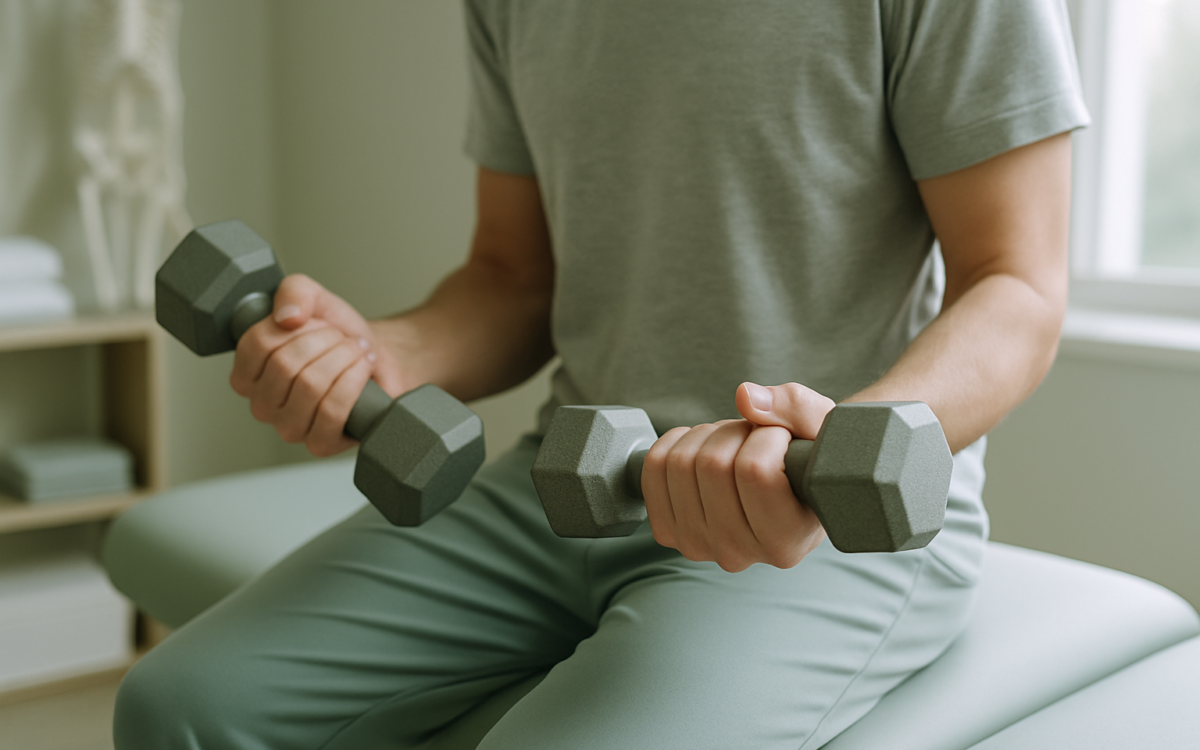
When it comes to fitness, free weights stand out as a powerful tool for building strength and enhancing overall health. Unlike machines that may guide your movements, free weights allow for a greater range of motion and engage multiple muscles simultaneously. This article delves into the benefits of free weights, how to use them properly, and tips for incorporating them into your routine.
What are Free Weights?
Free weights include dumbbells, barbells, kettlebells, and any weight that isn’t tied to a fixed machine. These versatile tools can be found in gyms, fitness studios, and homes alike. The fundamental advantage of free weights is the ability to perform a wide variety of exercises tailored to individual fitness levels and goals.
Benefits of Using Free Weights
Free weights offer a plethora of benefits compared to machine-based training. Here are some key advantages:
- Improved Strength: Free weights help build functional strength, which is crucial for everyday activities and sports. By lifting weights that require stabilizing muscles, you increase overall strength more efficiently.
- Enhanced Form and Technique: Using free weights encourages proper posture and technique. Since you must control the weights manually, your body learns to engage the right muscles for various movements.
- Greater Flexibility: Free weights promote a full range of motion in exercises, reducing stiffness and enhancing flexibility. This can lead to better performance in other physical activities.
- Variety of Exercises: From squats to deadlifts, free weights can be used for a diverse range of workouts that target different muscle groups. This variety keeps workouts exciting and effective.
Getting Started with Free Weights
Starting a free weight routine can seem intimidating, especially for beginners. However, with some basic guidelines, anyone can begin safely:
1. Choose the Right Weights
When selecting free weights, start with lighter weights to learn proper form. As you gain confidence and strength, gradually increase the weight. A common recommendation is to choose weights that allow you to perform 8-12 repetitions with good form while feeling challenged.
2. Focus on Form
Correct form is paramount to avoid injury. Consider working with a trainer or watching instructional videos to learn how to perform exercises safely. Key aspects to focus on include posture, grip, and keeping the core engaged.
3. Incorporate a Balanced Routine
A well-rounded workout routine should include exercises for all major muscle groups. This ensures that your body remains balanced and reduces the risk of injury. For instance, pair upper body workouts with lower body exercises for optimal results.
Common Exercises with Free Weights
Here are a few popular free weight exercises you can include in your routine:
- Dumbbell Bench Press: Lying on a bench, press dumbbells upwards to target the chest.
- Barbell Squat: Stand with a barbell on your shoulders and squat down to work the legs and glutes.
- Kettlebell Swing: Swing a kettlebell between your legs and up to shoulder height to engage the entire body.
- Dumbbell Deadlift: Hold a dumbbell in each hand, hinge at the hips, and lift from the ground, targeting the back and legs.
Free Weights and Health Across Borders
While free weights are universally recognized for their health benefits, different cultures approach fitness in various ways. For instance, acibademinternational.com highlights how international fitness facilities incorporate free weights with unique cultural practices, such as traditional forms of exercise like Tai Chi or Yoga alongside weightlifting. This blend can enhance overall physical wellness, emphasizing a holistic view of strength and health.
Safety Tips for Using Free Weights
Even with their advantages, safety should be a priority when using free weights. Here are some safety tips to consider:
- Warm-Up: Always start with a warm-up to prepare your muscles for exercise. Simple stretching and light activity can help prevent injuries.
- Use a Spotter: If you are lifting heavy weights, especially with barbells, having a spotter can greatly enhance safety.
- Listen to Your Body: Pay attention to how your body feels during workouts. If you experience pain (beyond typical muscle fatigue), stop and assess your movements.
When to See a Doctor
If you find yourself frequently experiencing pain during or after workouts, particularly in your joints or muscles, or if any injuries occur, consult your healthcare provider. They can help assess your fitness strategies and offer guidance tailored to your needs.
In summary, free weights offer an incredible way to enhance your fitness journey, whether you are a beginner or an experienced lifter. Embracing varied exercises, prioritizing form, and staying safe can lead to significant physical changes and overall well-being.
