
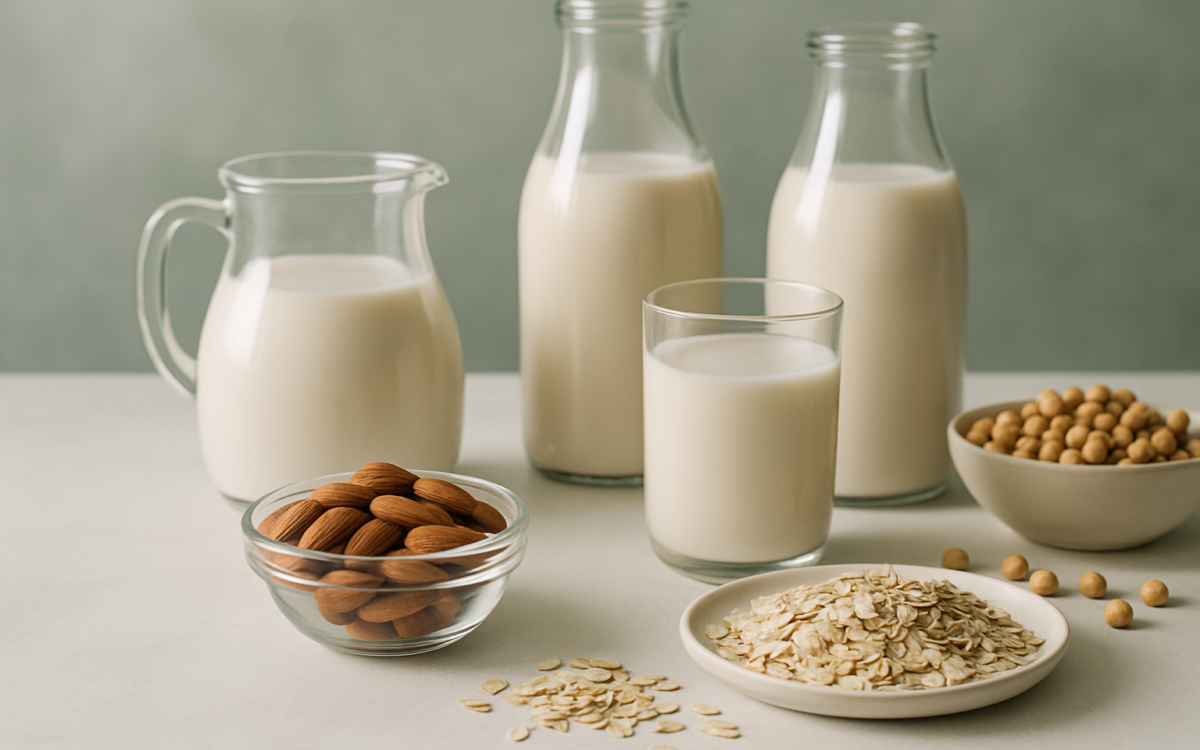
As more people explore plant-based diets or face lactose intolerance, the demand for dairy-free milk alternatives has surged. These milks, derived from nuts, grains, seeds, and legumes, not only cater to those needing to avoid dairy but also appeal to anyone looking to diversify their beverage choices. In this article, we’ll delve into the most popular options, their nutritional profiles, potential health benefits, and tips on how to choose the right one for you.
Types of Dairy-Free Milk Alternatives
Each dairy-free milk alternative has unique characteristics, flavors, and nutritional benefits. Here are some of the most popular types:
1. Almond Milk
Almond milk is one of the most widely consumed non-dairy milks. It’s low in calories and offers a nutty flavor. Almond milk is often fortified with vitamins and minerals, such as calcium and vitamin D, making it a nutritious option for many. It’s also a good source of vitamin E, which is known for its antioxidant properties.
2. Soy Milk
Soy milk is made from soybeans and is one of the few plant-based milks that offer a protein content comparable to cow’s milk. With its creamy texture, soy milk is ideal for cooking, baking, and in coffee. It contains essential amino acids and is often fortified with calcium and vitamins.
3. Oat Milk
Oat milk has gained popularity for its creamy consistency and mild sweetness. Made from oats, it is often higher in carbohydrates and fiber than other plant-based milks. Oat milk can be a great choice for those with nut or soy allergies and is commonly used in lattes due to its ability to froth well.
4. Coconut Milk
Coconut milk is derived from the flesh of coconuts and offers a rich, creamy texture. It is high in saturated fats but can provide quick energy and flavor to smoothies and curries. Light coconut milk versions are available for those watching their calorie intake.
5. Rice Milk
Rice milk is made from milled rice and water. It tends to be sweeter and is often recommended for those with allergies to soy or nuts. However, rice milk has a lower nutritional profile, with less protein than other milk alternatives. Fortified rice milk can provide calcium and vitamin D.
Nutritional Comparisons
When choosing a dairy-free milk alternative, it’s important to consider the nutritional content, especially if you’ll be using it as a significant part of your diet. Here’s a quick look at how some options stack up:
- Calories: Almond milk has fewer calories than soy or oat milk, making it suitable for weight management.
- Protein: Soy milk leads in protein content, followed closely by pea and almond milk.
- Vitamins & Minerals: Many alternatives are fortified with calcium and vitamin D. Always check labels for fortification.
- Natural Sugars: Oat milk tends to contain more natural sugars, while unsweetened versions of almond and coconut milk are low in sugar.
Choosing the Right Dairy-Free Milk
Your choice of dairy-free milk should depend on your dietary needs, preferences, and intended use. Here are some factors to consider:
1. Allergies and Intolerances
If you have allergies to soy or nuts, opt for rice or oat milk. Always read labels for hidden allergens.
2. Cooking and Baking
Creamy alternatives like soy and coconut milk work well in baking, while almond milk is perfect for a lighter taste in smoothies and cereals.
3. Taste Preferences
Flavor varies by type, so try different options to find one that suits your taste buds. Oat milk is often favored for its mild flavor in coffee.
4. Nutritional Needs
Consider fortification; if you’re looking for calcium or protein, choose brands that enhance these nutrients. For example, pea milk is high in protein and often fortified.
5. International Treatments
If you’re considering specialized dietary needs or international patient services for health-related travel, some clinics abroad may offer guidance on plant-based diets and tailored nutrition plans.
Health Benefits of Dairy-Free Milk
Switching to dairy-free milk alternatives can offer several health benefits:
- Lactose-Free: For those who are lactose intolerant, dairy-free alternatives provide a safe option without gastrointestinal discomfort.
- Heart Health: Plant-based milks, particularly those low in saturated fat, may support heart health.
- Lower Caloric Intake: Many non-dairy milks, especially the unsweetened varieties, help manage calorie intake.
- Rich in Nutrients: When fortified, these milks can provide essential nutrients often found in regular dairy.
When to See a Doctor
If you’re unsure about switching to a dairy-free diet or have specific health concerns related to nutrition or allergies, consult with your doctor or a registered dietitian. They can provide tailored advice based on your health history.
It’s important to remember that while dairy-free milk alternatives can be nutritious, not all brands are created equal. Always check labels for added sugars, preservatives, and other additives.
Conclusion
Dairy-free milk alternatives can be a delicious and nutritious addition to your diet. By exploring various options and considering your personal health needs and taste preferences, you can enjoy plant-based milks that not only replace dairy but also enrich your overall dietary habits.
