
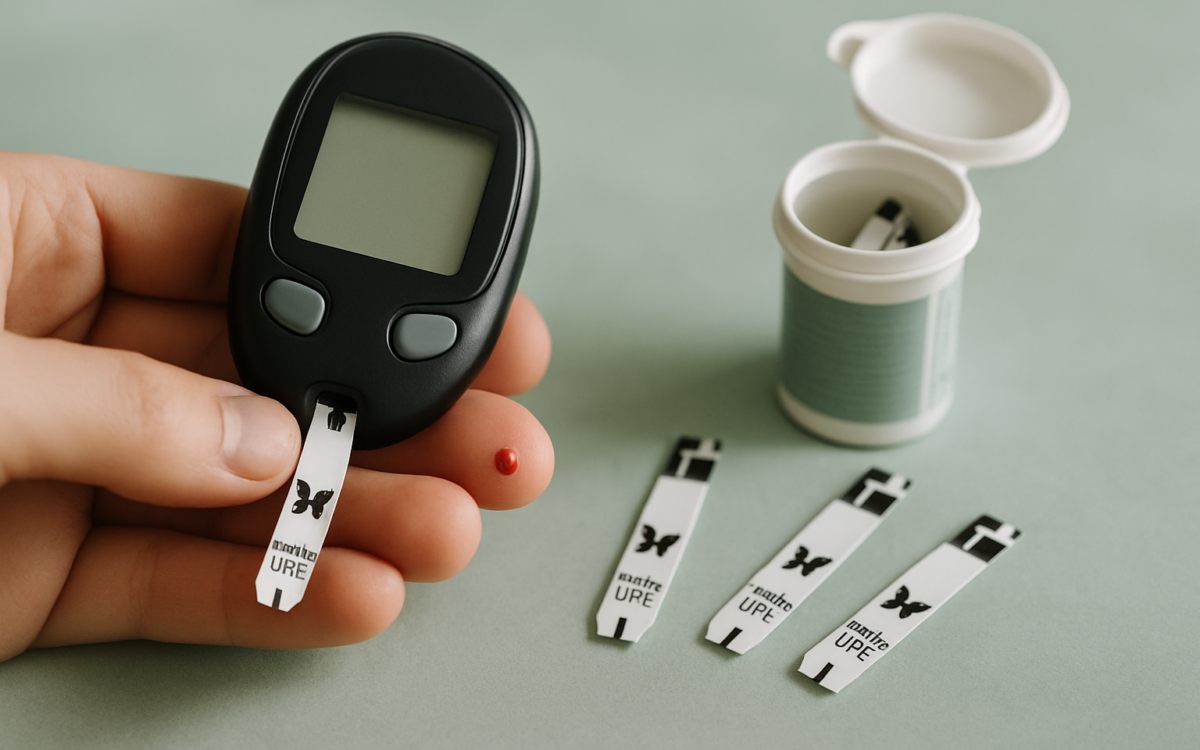
If you or someone you love is managing diabetes, you’ve likely encountered the term “Freestyle Lite test strips.” These strips are critical tools for monitoring blood glucose levels, helping those with diabetes keep their health in check. But what makes these test strips unique, and how can you use them effectively? This article will break down everything you need to know about Freestyle Lite test strips.
What Are Freestyle Lite Test Strips?
Freestyle Lite test strips are disposable strips used with Freestyle Lite glucose meters. They are designed to measure the amount of glucose (sugar) in a drop of blood. When blood is applied to the strip, a chemical reaction occurs, and the meter calculates the blood glucose level.
These test strips are known for their small size and ability to require only a tiny blood sample, which makes them user-friendly. They can provide results in a matter of seconds, allowing for quick decision-making when it comes to diabetes management.
How to Use Freestyle Lite Test Strips
Using Freestyle Lite test strips is straightforward, but it requires following specific steps to ensure accurate readings:
- Wash Your Hands: Start with clean, dry hands to avoid contaminating the blood sample.
- Prepare the Meter: Turn on your Freestyle Lite glucose meter and ensure it is ready for testing.
- Insert the Test Strip: Place a Freestyle Lite test strip into the meter until it clicks into place.
- Obtain a Blood Sample: Use a lancing device to prick the side of your fingertip to get a drop of blood.
- Apply Blood to the Strip: Touch the blood drop to the designated area on the test strip; the meter will pull the sample in.
- Read the Result: Wait a few seconds for your meter to display your blood glucose level.
To learn more about blood glucose monitoring, you can visit resources like the NIH and CDC.
Storage and Care for Test Strips
Proper storage of Freestyle Lite test strips is essential to maintain accuracy and effectiveness. Here are some tips:
- Keep Strips in Their Original Container: This protects them from air exposure and moisture.
- Check Expiration Dates: Be sure to use strips before their expiration date for the most reliable readings.
- Store in a Cool, Dry Place: Avoid leaving them in vehicles or places where temperatures may fluctuate.
- Do Not Use Strips if Damaged: If you notice any visible damage to the strips, dispose of them.
Understanding Test Results
After conducting a test with Freestyle Lite strips, you will receive a numerical value that indicates your blood glucose level. Understanding what these numbers mean is crucial:
- Normal Levels: Generally, a fasting blood glucose level of less than 100 mg/dL is considered normal.
- Pre-diabetes: Fasting levels ranging from 100 to 125 mg/dL may indicate pre-diabetes.
- Diabetes: A fasting blood glucose of 126 mg/dL or higher usually indicates diabetes.
It’s essential to consult your doctor to interpret your results accurately and understand what action is needed based on your readings.
Common Issues with Test Strips and Results
Sometimes users encounter problems with their Freestyle Lite test strips or the readings they provide. Here are some common issues and how to address them:
- Inconsistent Readings: If results seem off, ensure you are using the strips correctly and that they are within their expiration date.
- Meter Malfunction: If your glucose meter is not functioning correctly, check the battery and ensure it’s clean.
- Blood Sample Size: Ensure you are providing enough blood; not enough can lead to inaccurate readings.
For more in-depth troubleshooting, consult your meter’s user manual or your healthcare provider.
When to See a Doctor
If you experience unexplained increases or decreases in your blood glucose readings, or if your levels consistently fall outside of the recommended ranges, it’s essential to consult your doctor. They can help investigate any underlying issues and adjust your diabetes management strategy accordingly.
Conclusion
Freestyle Lite test strips are vital for anyone managing diabetes, providing a simple method to monitor blood glucose levels. Understanding how to use and store these strips correctly can enhance their effectiveness and, consequently, your diabetes management. Always stay informed and consult with your healthcare provider to make the best choices for your health.
