
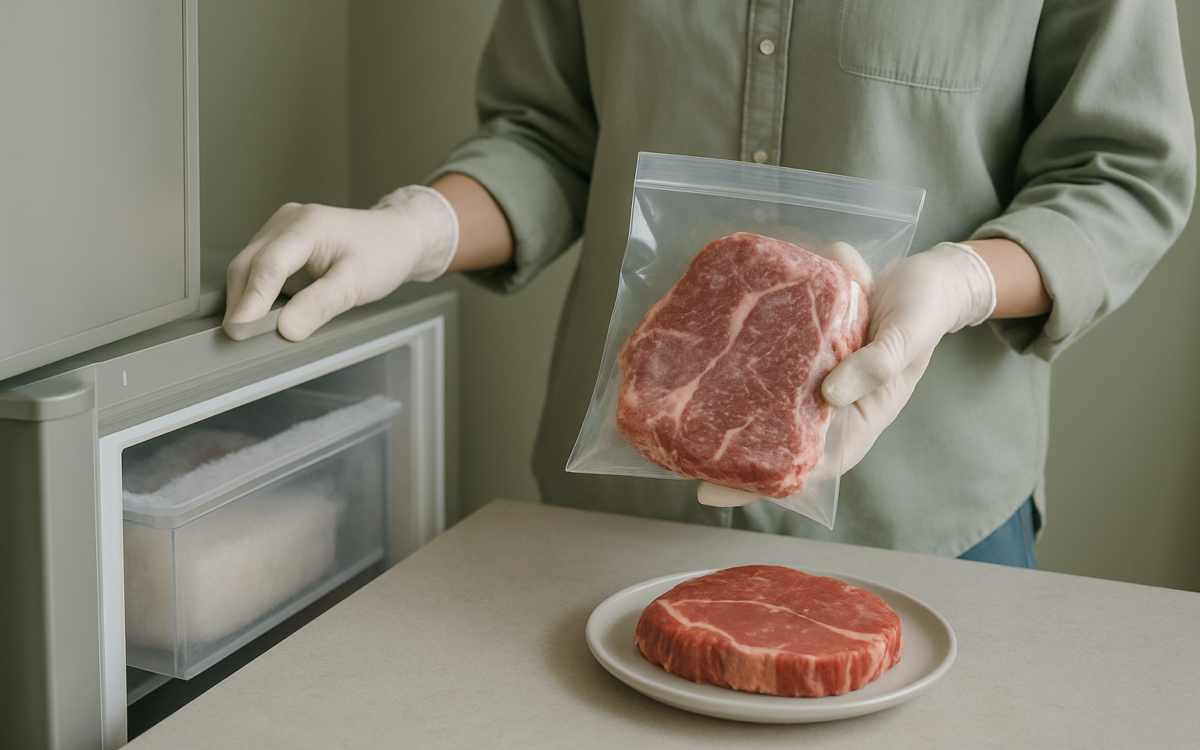
Many of us face the dilemma of whether to refreeze meat after it’s been thawed. It’s a common scenario: you take some chicken or beef out of the freezer, only to find you’re not ready to cook it. Life happens, and sometimes we need to put plans on hold. But can you safely refreeze that meat? Let’s dig into the facts, safety guidelines, and tips for making informed decisions in the kitchen.
Understanding the Basics of Freezing
Freezing is an excellent method for preserving meat. This process slows down bacterial growth, helping to keep food safe. When meat is stored in a freezer at 0°F (-18°C), it can remain safe indefinitely. However, the quality of the meat can decline over time. Freezing affects the texture, flavor, and moisture content of meat, especially if it’s not properly packaged.
Can You Refreeze Thawed Meat?
The simple answer is yes, but there are some crucial guidelines to follow. If meat has been thawed in the refrigerator, it is generally safe to refreeze it without cooking. The reason? The refrigerator keeps the meat at a safe temperature, minimizing bacterial growth.
However, if meat has been thawed in other ways, the rules change. For example, if you’ve thawed meat in warm water or in the microwave, it should be cooked before freezing because those methods can allow bacteria to thrive on the meat’s surface. Once in the refrigerator, though, make sure to refreeze it within a couple of days for best quality.
Proper Storage Techniques
When it comes to refreezing meat, using the right storage methods can make a big difference:
- Use airtight packaging: To prevent freezer burn and preserve quality, wrap meat tightly in plastic wrap or heavy-duty aluminum foil, or use a vacuum sealer.
- Label and date: Write the date and type of meat on the package to keep track of how long it’s been stored. This helps in maintaining quality and safety.
- Keep your freezer at a constant temperature: Make sure your freezer is at 0°F (-18°C) or lower, as fluctuations can lead to thawing and refreezing cycles that compromise texture and safety.
Impact on Quality
While it’s generally safe to refreeze meat, it’s important to consider the impact on quality. Each time meat is frozen and thawed, it can lose moisture. This can lead to a dry or less flavorful eating experience. To maintain the best quality, it’s recommended to:
- Limit the number of freeze-thaw cycles. Ideally, try to refreeze only meat that has been thawed in the refrigerator.
- Use ground meat or tiny cuts for more immediate use rather than refreezing them multiple times.
- Cook previously frozen meat to enhance flavor and moisture, then freeze cooked meals for later.
International Perspectives on Meat Storage
In different countries, food storage practices can vary. For instance, in some cultures, it is common to refreeze meat after cooking or marinating. International guidelines, such as those from the World Health Organization, emphasize the importance of safely handling and storing meat to prevent foodborne illnesses. If you’re considering medical treatment for food-related issues, healthcare websites like acibademinternational.com can provide insights into global health practices and guidelines.
Key Signs of Meat Spoilage
The best way to determine whether meat is safe to eat—whether it has been refrozen or not—is to check for signs of spoilage. Here are some indicators to look out for:
- Unpleasant odor: Fresh meat should have a mild, slightly metallic scent. If it smells sour or off, throw it away.
- Color changes: Fresh meat is typically bright red or pink. Look for a dull color, a greenish or brownish hue, or excessive darkening.
- Texture changes: If the meat feels sticky or slimy, it’s time to say goodbye to it.
When to See a Doctor
If you suspect that you’ve eaten spoiled meat and begin to experience symptoms such as nausea, vomiting, diarrhea, or abdominal cramps, contact your healthcare provider. It’s always best to get professional advice to manage potential foodborne illnesses.
In summary, while you can refreeze meat, following safety guidelines can help reduce food waste and maintain quality. Make sure to keep an eye on how food is stored, and trust your senses to guide you in ensuring that your meals are safe and satisfying.
