
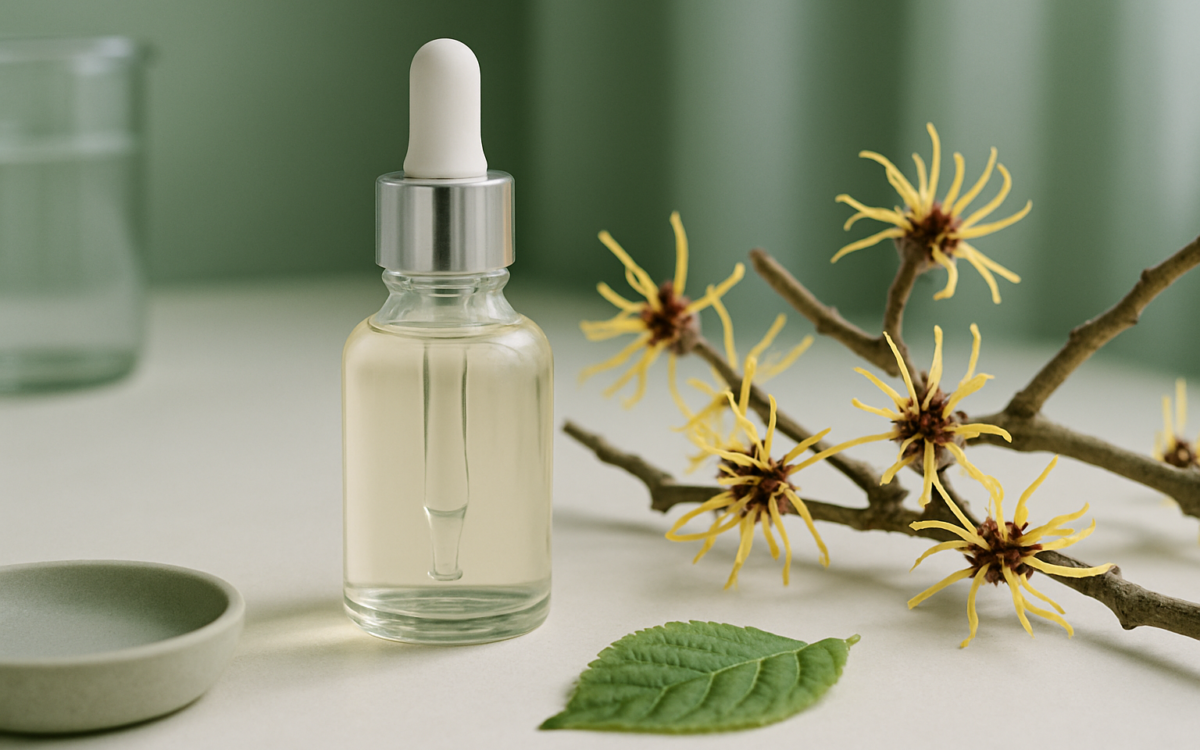
Witch hazel is more than just a curious name; it is a versatile herbal remedy that has been used for centuries. Derived from the bark and leaves of the Hamamelis virginiana plant, witch hazel is popular in many cultures for its soothing properties and practical applications in skin care. People often turn to it for relief from various ailments, but what exactly is witch hazel, and how can it benefit you? Let’s explore the ins and outs of this intriguing plant.
What is Witch Hazel?
Witch hazel is a shrub native to North America and parts of Asia. The plant produces small, yellow flowers and has been valued historically for its medicinal properties. The extract comes primarily from the bark and leaves and is commonly available in liquid form, creams, and ointments. Traditionally, it has been used to treat bruises, sprains, and insect bites, but its popularity today largely centers around its application in skin care.
How Does Witch Hazel Work?
The efficacy of witch hazel can be attributed to its rich composition, which includes tannins, flavonoids, and essential oils. Each of these components plays a role in promoting skin health:
- Tannins: These compounds have astringent properties, meaning they can tighten and tone the skin. This makes witch hazel particularly useful in reducing inflammation and controlling excess oil production.
- Flavonoids: These antioxidants help fight free radicals in the body, potentially reducing damage to skin cells and supporting overall skin health.
- Essential Oils: The extract contains natural oils that have soothing effects, making it effective in calming irritated or inflamed skin.
Common Uses of Witch Hazel
Witch hazel is used for a variety of purposes, including:
Acne Treatment
Witch hazel is often incorporated into acne treatments due to its astringent properties. By helping to unclog pores and reduce inflammation, it can aid in managing breakouts.
Soothing Skin Irritations
Skin irritations, such as minor burns or rashes, can be alleviated with witch hazel. Its cooling effect provides relief and promotes healing.
Hemorrhoid Relief
The astringent nature of witch hazel also makes it useful for alleviating hemorrhoid symptoms. It can help reduce swelling and discomfort when applied externally.
Post-Shaving Care
After shaving, applying witch hazel can soothe razor burn and reduce skin irritation, making it a popular choice for those looking for a natural aftershave solution.
Witch Hazel in Global Health Practices
Witch hazel’s benefits aren’t just recognized in the West. Many cultures worldwide utilize this plant in their traditional medicine practices. Its wide range of applications makes it an invaluable asset in holistic health approaches. In places like Turkey and other parts of the Middle East, witch hazel extracts are used to treat various skin conditions and are integrated into spa and wellness therapies. Centers like acibademinternational.com provide comprehensive health services that often include such natural remedies, exploring their effectiveness in patient care.
Potential Side Effects
While witch hazel is generally regarded as safe for topical use, there are potential side effects to be aware of:
- Skin Reactions: Some people may experience redness or irritation after using witch hazel. Always conduct a patch test before widespread application.
- Allergic Reactions: In rare cases, allergic reactions can occur, especially in individuals sensitive to specific compounds in herbal products.
- Dryness: Because of its astringent properties, excessive use may lead to skin drying and discomfort.
When to See a Doctor
If you notice persistent skin irritation, allergic reactions, or symptoms that worsen despite using witch hazel, it’s important to consult a healthcare professional. This is especially crucial if you are using it as part of a treatment plan for a specific condition.
Conclusion
Witch hazel is a fascinating and versatile natural remedy that offers numerous benefits for skin health. While it is often considered safe and effective for various skin troubles, it’s wise to approach any new treatment carefully, especially if you have existing skin conditions or allergies. Always consult your healthcare provider for personalized advice tailored to your health needs.
