
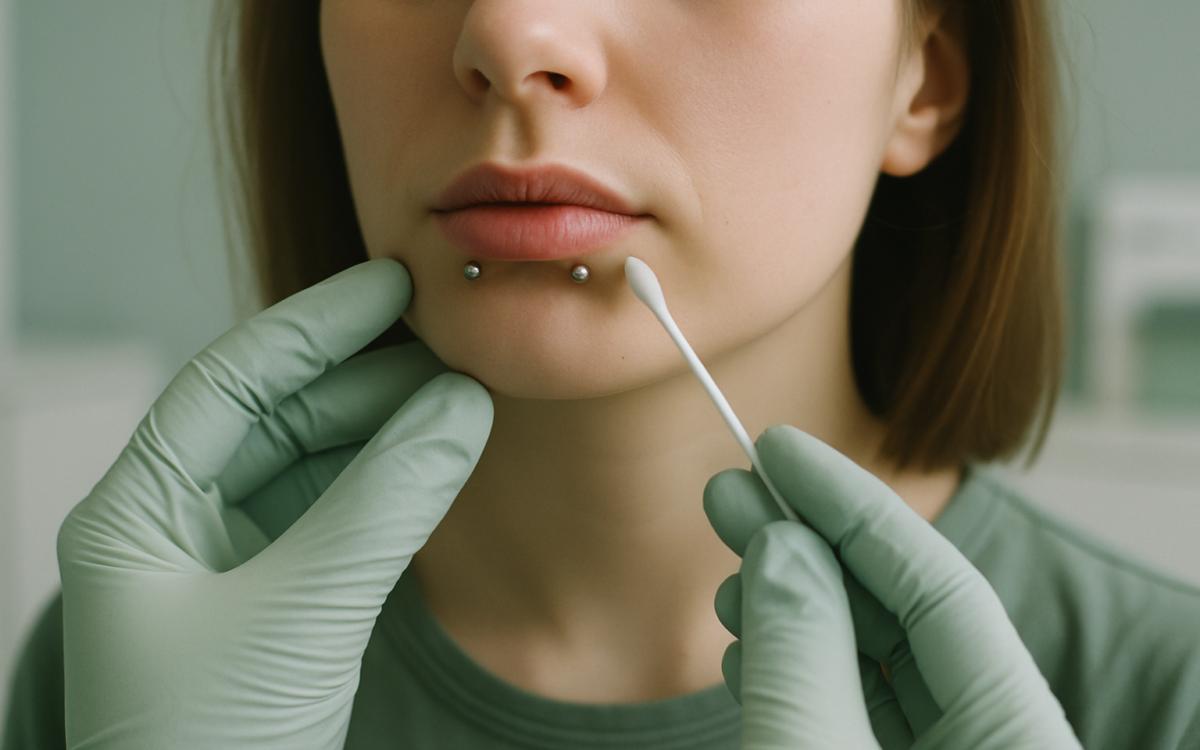
Body piercing has been enjoyed for centuries as a form of self-expression, and one of the more popular styles today is the snake bite piercing. Named for its resemblance to a snake bite, this unique body art involves two piercings located on the lower lip, typically on the left and right sides. In this article, we’ll explore what snake bite piercings are, how to care for them, the potential risks, and considerations to take into account before getting one.
What is a snake bite piercing?
A snake bite piercing consists of two separate piercings placed symmetrically on the lower lip. Often, these piercings are adorned with simple studs or rings, but many choose to experiment with different jewelry styles—from gemstones to spikes. The look can range from edgy to elegant, depending on personal style.
Choosing the right jewelry
When selecting jewelry for your snake bite piercings, it’s essential to consider both aesthetics and safety. Here are some tips for choosing the best materials:
- Material: High-quality metal options include surgical steel, titanium, or niobium, which reduce the risk of allergic reactions.
- Size: Consult with your piercer about the diameter and gauge of the jewelry to ensure it fits well without causing discomfort.
- Style: Starting with simple studs is often best. As the piercings heal, you can explore different styles while ensuring comfort and suitability.
Aftercare and healing process
Proper aftercare is crucial for preventing infections and ensuring that your snake bite piercings heal well. Here’s a general guideline on how to care for your new piercings:
- Keep it clean: Clean the pierced area twice a day with a saline solution or an appropriate saline wound wash.
- Avoid touching: Keep your hands away from your piercings to reduce the risk of introducing bacteria.
- Watch what you eat: In the first few weeks, choose soft foods and avoid spicy or acidic items that can irritate the area.
- Stay away from cosmetics: Avoid applying makeup or skincare products near your piercings until they are fully healed.
Your snake bite piercings may take 6 to 8 weeks to heal, depending on your body and how well you care for them. During this time, it’s crucial to follow your aftercare routine diligently.
Potential risks and complications
Like any body piercing, snake bite piercings come with certain risks. Here are a few potential complications to be aware of:
- Infection: One of the most common risks associated with piercings is infection. Symptoms include redness, swelling, and pus at the site.
- Allergic reactions: Some individuals may experience allergic reactions to certain metals, leading to irritation or discomfort.
- Scarring: In some cases, piercings can leave behind noticeable scars if not cared for properly.
To better understand the risks associated with piercings, you may want to review guidelines from reputable sources like the Centers for Disease Control and Prevention for infection control.
When to see a doctor
If you notice any of the following symptoms, it may be time to consult a healthcare professional:
- Increased pain or discomfort that doesn’t improve.
- Significant swelling that makes it hard to close your mouth.
- Persistent redness or warmth around the piercing.
- Pus or any unusual discharge coming from the piercing site.
Conclusion
Snake bite piercings are a bold and exciting way to express your individuality, but they do require responsible aftercare and attention to potential complications. If you decide to get these piercings, ensure that you visit a professional piercer with a good reputation, and always stay informed about proper care guidelines. With the right commitment, your snake bite piercings can be a striking addition to your personal style.
