
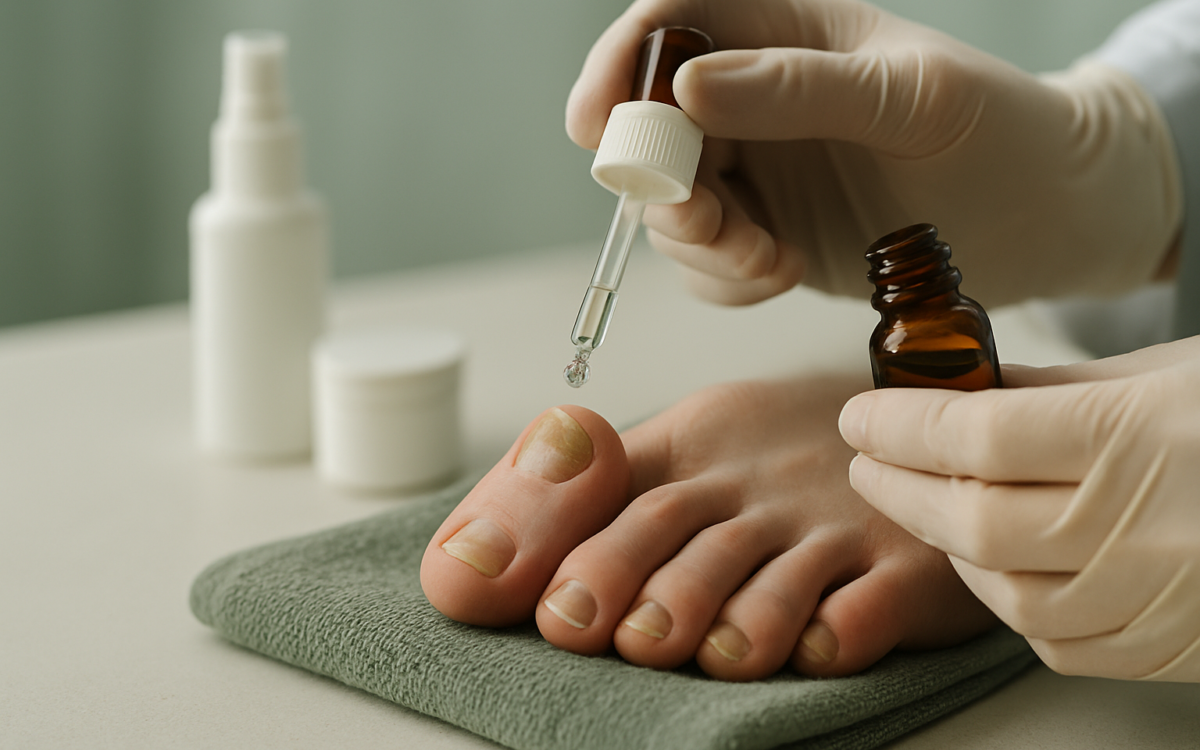
Toenail fungus, also known as onychomycosis, can be not only persistent but also embarrassing. It often manifests as discoloration, thickening, or crumbling of the nail. Many people seek to know what kills toenail fungus instantly; however, treatments usually take time to be effective. In this article, we’ll explore some fast-acting remedies, lifestyle changes to promote nail health, and when it’s best to consult a healthcare professional.
Understanding Toenail Fungus
First, it’s vital to understand what toenail fungus is and how it develops. Fungus thrives in warm, moist environments, which makes the inside of your shoes an ideal breeding ground. When your toenail becomes infected, it can lead to significant discomfort and aesthetic concerns. The infection can start small, but if left untreated, it can worsen and even spread. According to the National Institutes of Health, toenail fungus affects approximately 10% of the population, making it a common issue.
Top Immediate Treatments for Toenail Fungus
While no treatment will necessarily kill toenail fungus instantly, several remedies can help speed up the healing process.
1. Over-the-Counter Antifungal Treatments
Many over-the-counter creams and ointments contain antifungal ingredients like clotrimazole and terbinafine. These products are easy to find at your local pharmacy. They do not guarantee immediate results but are often effective for mild infections.
2. Essential Oils
Some essential oils, particularly tea tree oil and oregano oil, have antifungal properties. A study published in the Journal of Fungal Biology highlighted their potential effectiveness against various fungi. To use them, mix a few drops of the oil with a carrier oil and apply it directly to the affected nail. Keep in mind that while essential oils can be effective, patience is still required as the full benefits take time to manifest.
3. Vinegar Soaks
Vinegar, particularly apple cider vinegar, is another popular home remedy. Its acidic nature may help inhibit fungal growth. To use vinegar, mix equal parts vinegar and water in a bowl and soak your feet for about 30 minutes daily. While this won’t act instantly, it can be a helpful component of your treatment regimen.
Prescription Treatments: Faster Results
If over-the-counter options aren’t doing the trick, you may need to consult a healthcare provider. Prescription antifungal medications can provide quicker results.
1. Oral Antifungal Medications
For severe cases, doctors often prescribe oral antifungals like terbinafine or itraconazole. These medications work more quickly than topical treatments and can clear the infection more effectively, as they penetrate the nail bed.
2. Laser Therapy
In some instances, healthcare providers may recommend laser therapy as a treatment option. This technique involves using lasers to target the fungus beneath the nail. According to the Mayo Clinic, while promising, more research is needed to establish the effectiveness of this treatment fully.
Preventing Future Infections
Once you’ve dealt with your toenail fungus, it’s crucial to take steps to prevent it from returning.
1. Maintain Foot Hygiene
Keeping your feet clean and dry is essential. Wash them daily and make sure to thoroughly dry between the toes. This practice will significantly reduce your risk of fungal infections.
2. Choose Breathable Footwear
Wearing breathable shoes made of natural materials allows for better air circulation, which can help keep your feet dry. Additionally, avoid walking barefoot in communal areas like pools or locker rooms, where fungi thrive.
3. Care for Your Nails
Regularly trimming and filing your nails can help prevent debris build-up that encourages fungal growth. If you notice any changes in your nails, like discoloration or thickening, act quickly to address the problem.
When to See a Doctor
If you’ve tried home remedies and over-the-counter treatments without success, or if the infection seems to worsen, it’s time to consult a healthcare professional. You should also seek help if you experience pain or swelling around the nail or if you have diabetes, as this may increase your risk for complications.
Conclusion
While there may not be a one-stop solution to instantly kill toenail fungus, a combination of over-the-counter products, essential oils, and professional treatments can significantly speed up recovery. Remember to prioritize foot hygiene and preventive care to keep fungal infections at bay in the future. If you’re unsure about your condition or don’t see improvement, consult a healthcare provider for personalized advice.
