
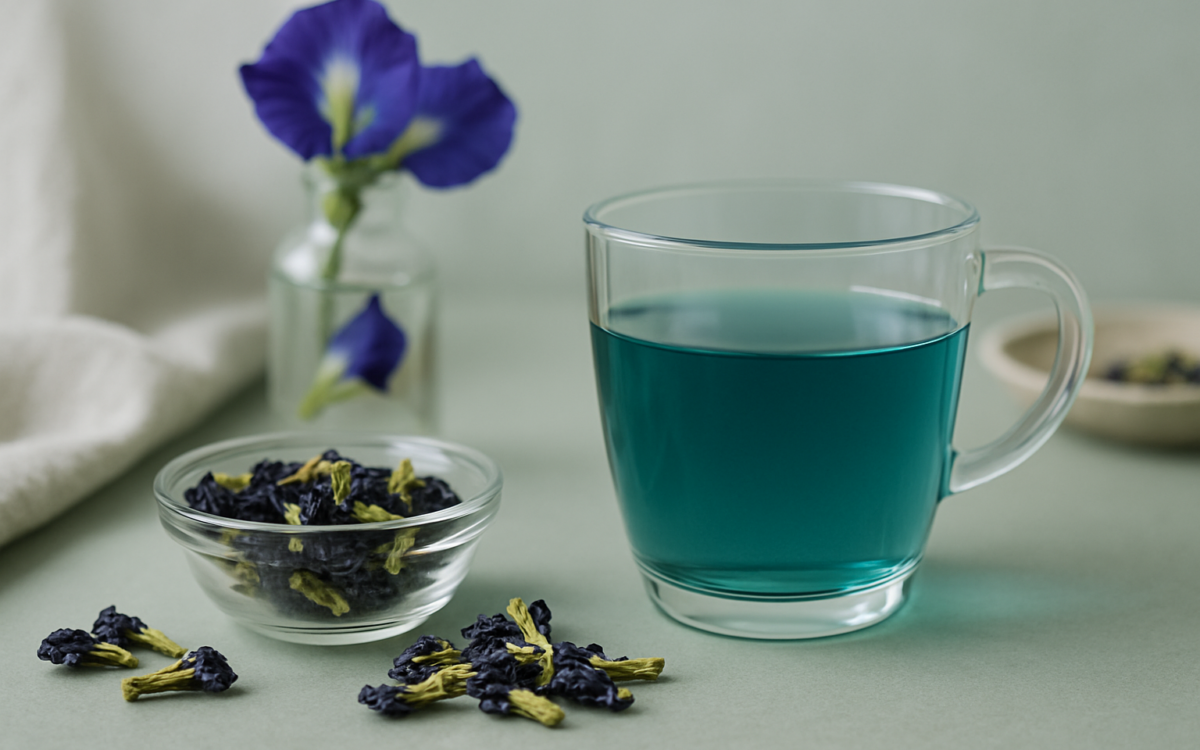
The butterfly pea flower, also known as Clitoria ternatea, is gaining popularity for its striking blue hue and potential health benefits. This tropical plant, native to Southeast Asia, has been used in traditional medicine for centuries. But what exactly makes this flower so special? From its vibrant color to its potential effects on health, let’s dive into the remarkable world of butterfly pea flower.
A Colorful Addition to Your Diet
Butterfly pea flowers are best known for their stunning blue color, which comes from natural pigments called anthocyanins. These pigments not only create beautiful beverages, such as teas and cocktails, but also serve as powerful antioxidants. Antioxidants help combat oxidative stress in the body, which can contribute to various health issues.
Potential Health Benefits
Many people are turning to butterfly pea flower for its possible health benefits. Here are a few noteworthy ones:
- Antioxidant Properties: Studies show that the anthocyanins in butterfly pea flowers exhibit significant antioxidant activity, which may help reduce inflammation and prevent chronic diseases (NIH).
- Stress Relief: Herbal teas made from butterfly pea help promote relaxation and reduce anxiety, making it an excellent choice for anyone looking to wind down after a long day.
- Eye Health: Traditional medicine often uses butterfly pea flower to enhance eyesight. It’s believed to improve blood circulation and reduce stress on the eyes.
- Skin Benefits: The flower is also commonly found in skincare products due to its anti-inflammatory properties, potentially aiding in soothing skin irritations.
How to Use Butterfly Pea Flower
Incorporating butterfly pea flower into your diet is easier than you might think! Here are some popular methods:
- Herbal Tea: Steep the dried flowers in hot water for a delightful tea that can be enjoyed hot or cold. Add a splash of lemon for an eye-catching color change from blue to purple!
- Culinary Uses: Use the flower powder to naturally color rice, desserts, or cocktails. Its mild flavor makes it a versatile ingredient.
- Supplements: Butterfly pea flower supplements are available in capsule or extract form, which can be useful for those who prefer a more concentrated dose.
International Appeal and Treatments
As butterfly pea flower becomes more recognized globally, many health and wellness centers, especially in Asian countries, are incorporating it into their treatment protocols. From herbal medicine to culinary arts, its versatility is being embraced everywhere. For those considering treatment options abroad, facilities offering international patient services may provide insight into natural therapies that include butterfly pea flower.
Is It Safe for Everyone?
While butterfly pea flower is generally considered safe to consume, it’s essential to be mindful of potential allergies or interactions. Pregnant women and individuals on certain medications should consult their healthcare provider before adding it to their diet. There is limited research regarding its safety in these populations, making caution a wise approach.
Conclusion
The butterfly pea flower is more than just a pretty addition to your plate; it holds a treasure trove of health benefits that many are beginning to explore. Whether you’re sipping a calming cup of tea or trying your hand at colorful culinary creations, this remarkable flower may enhance both your wellness and your dining experience. Embrace the beauty and benefits of butterfly pea flower, and enjoy the journey of discovery it brings.
When to See a Doctor
If you experience any adverse effects from consuming butterfly pea flower or have specific health conditions, consult your healthcare provider for personalized advice. Always prioritize your health and safety by discussing new supplements or herbal remedies with a professional.
