
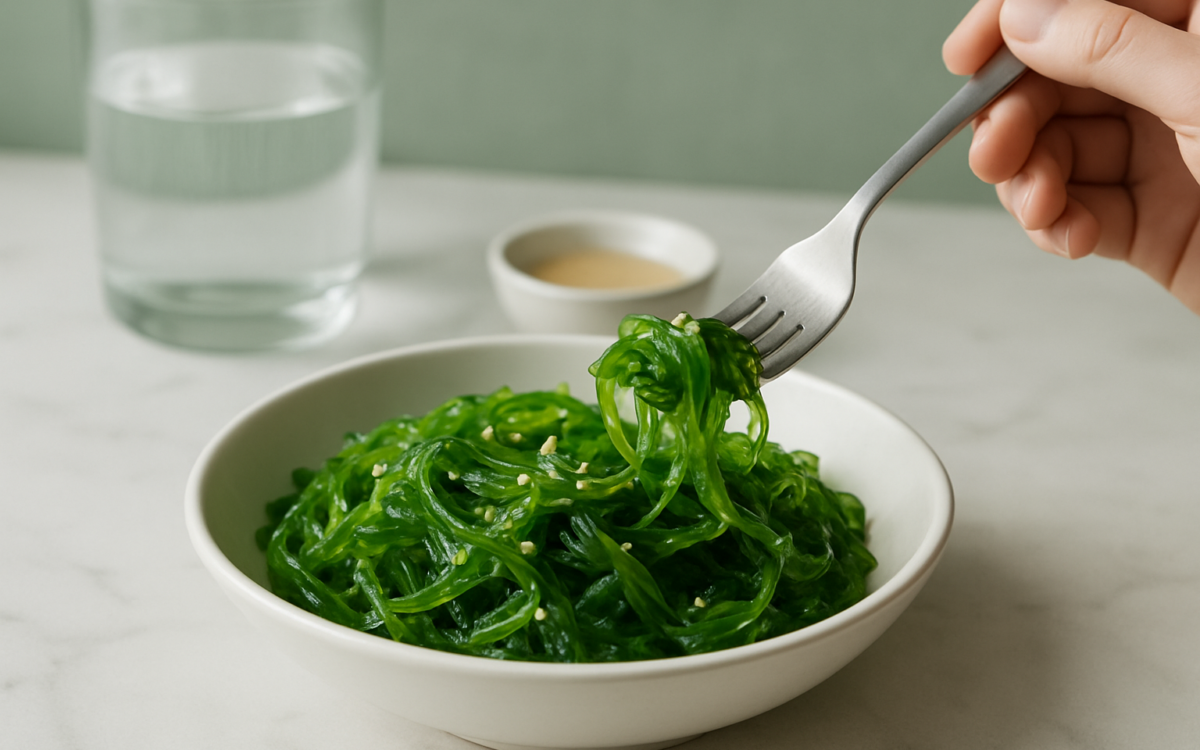
Whether you’re enjoying a meal at a sushi restaurant or discovering new culinary trends at home, seaweed salad is likely to catch your attention. Often served as an appetizer in Japanese cuisine, this vibrant dish is more than just a colorful addition to your table. With its unique flavors and plenty of health benefits, seaweed salad is gaining popularity among food enthusiasts and health-conscious individuals alike.
A Brief History of Seaweed Salad
Seaweed, or marine algae, has been part of human diets for thousands of years, especially in Asian countries like Japan, China, and Korea. The use of seaweed as food dates back to ancient times, where it was consumed for its flavor and nutritional benefits. In Japanese cuisine, seaweed salad, known as “wakame salad” or “seaweed salad,” allows diners to enjoy various types of edible algae in a delicious and appealing way. The salad is often dressed with ingredients like sesame oil, vinegar, and soy sauce, enhancing the natural umami flavors of the seaweed.
The Nutritional Power of Seaweed
Seaweed salad is not only delicious; it is also incredibly nutrient-dense. Seaweed, especially varieties like wakame, contains a wealth of vitamins and minerals:
- Rich in Vitamins: Seaweed is a good source of vitamins A, C, E, and K. These vitamins play essential roles in skin health, immune function, and overall wellbeing.
- Dietary Fiber: Seaweed is packed with fiber, which aids digestion and can help you feel full longer. This makes seaweed salad a great addition to meals if you’re looking to maintain a healthy weight.
- Minerals Galore: Seaweed is rich in minerals. It contains iodine, which is crucial for thyroid health, along with calcium, magnesium, and potassium, all essential for various body functions.
- Antioxidant Properties: Some studies suggest that the antioxidants found in seaweed can help combat oxidative stress and inflammation in the body. These properties may contribute to overall health and a reduced risk of chronic diseases (source: NIH).
How to Make Seaweed Salad
One of the best parts about seaweed salad is how easy it is to prepare at home. Here’s a simple recipe you can try:
Ingredients:
- 1 cup dried wakame seaweed
- 2 tablespoons soy sauce
- 1 tablespoon rice vinegar
- 1 tablespoon sesame oil
- 1 teaspoon sugar
- 1 tbsp sesame seeds (toasted)
- Optional: thinly sliced cucumber, carrots, or avocado for added texture
Instructions:
- Soak the dried wakame in water for about 10-15 minutes, or until it expands and becomes tender. Drain and squeeze out excess water.
- In a mixing bowl, combine soy sauce, rice vinegar, sesame oil, and sugar to create the dressing.
- Add the soaked wakame to the bowl, mixing well until the seaweed is fully coated in the dressing.
- Sprinkle toasted sesame seeds on top and add any extra vegetables you desire.
- Chill in the refrigerator for 15-30 minutes before serving for the best flavor.
This delicious and healthy salad can be enjoyed as a side dish, a topping for grain bowls, or even as a filling salad on its own.
Potential Health Benefits and Risks
Seaweed salad offers numerous health benefits, but it’s essential to be aware of any potential risks, especially concerning iodine intake. Here are a few benefits and considerations:
Health Benefits:
- Weight Management: Due to its high fiber content and low-caloric value, seaweed salad can be a fantastic option for those looking to control their weight while feeling satisfied.
- Heart Health: The healthy fats in seaweed, especially omega-3 fatty acids, may help in reducing cholesterol levels and promoting cardiovascular health.
Potential Risks:
- Iodine Content: Seaweed is naturally high in iodine, which is essential for thyroid function. However, excessive iodine intake can lead to thyroid dysfunction. It’s crucial to maintain balance, especially if you’re already consuming other iodine-rich foods.
- Allergic Reactions: As with any food, some individuals may experience allergic reactions to seaweed. Gradually introduce it into your diet to see how your body reacts.
Where to Buy Seaweed Salad
If you’re not keen on making seaweed salad at home, you can find it ready-to-eat in many grocery stores, especially those with a well-stocked international or health food section. Asian grocery stores also often carry a variety of seaweed products.
When purchasing pre-made seaweed salad, check the ingredient list for any additives and preservatives. Opting for organic or minimally processed varieties can enhance the health benefits of this dish.
Creative Ways to Enjoy Seaweed Salad
Once you’ve liked seaweed salad, you might be wondering how to incorporate it into your meals. Here are a few ideas:
- As a side dish alongside grilled fish or chicken.
- On top of rice or grain bowls, adding flavor and nutrition.
- Mixing it into a vegetable stir-fry for an extra depth of flavor.
- Using it as a topping for tacos or wraps for a unique twist.
These are just a few ways you can enjoy seaweed salad while benefiting from its nutrition.
When to See a Doctor
If you’re considering adding seaweed salad to your diet or increasing its intake, consult with a healthcare professional, especially if you have existing thyroid issues or allergies. Pay attention to any adverse reactions after eating seaweed salad, such as stomach discomfort or allergic symptoms.
In conclusion, seaweed salad is not only a popular dish but a nutritional powerhouse tucked away in our oceans. With its delightful taste and impressive health perks, it deserves a place in your everyday meals. As with all foods, moderation and mindfulness of how your body reacts will ensure that you enjoy it safely and beneficially.
