
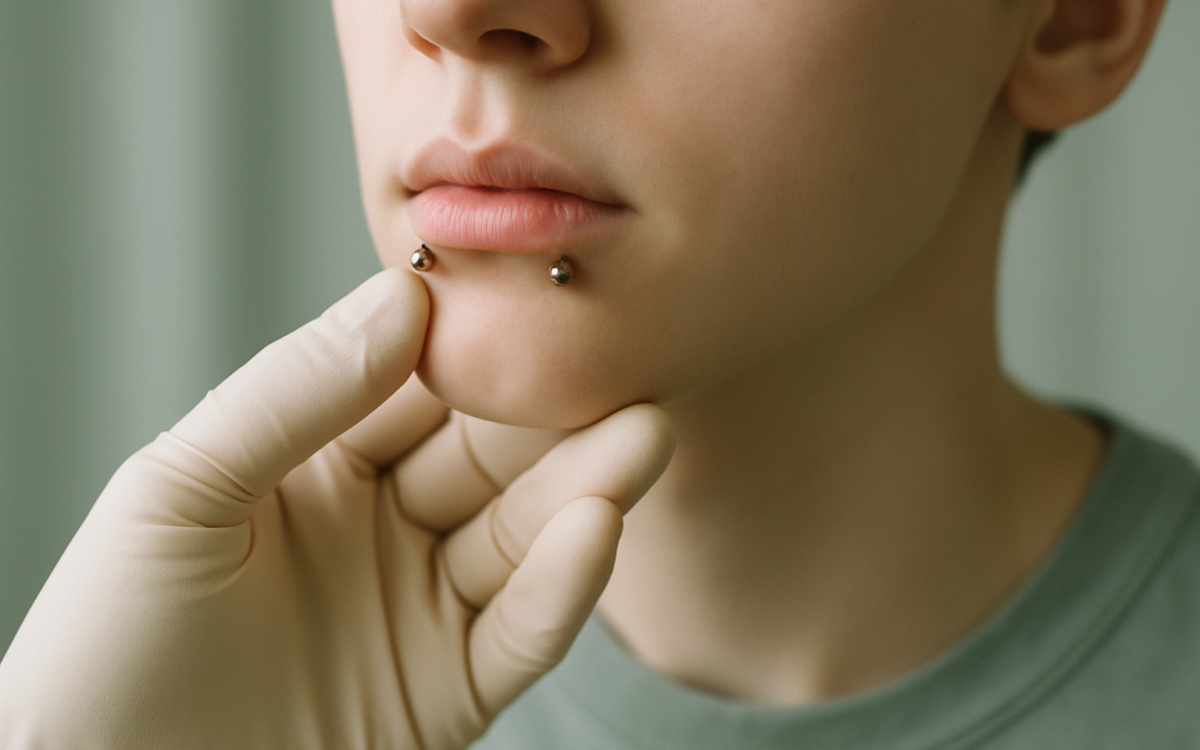
Body piercings have evolved into a popular form of self-expression, and among the various styles, snake bites piercings have gained particular attention. This specific type of piercing involves placing two piercings symmetrically in the lower lip, resembling the fangs of a snake. As appealing as they may be, snake bites piercings require proper care and understanding of potential risks to ensure a healthy and positive experience.
What are snake bites piercings?
Snake bites piercings consist of two holes, typically situated on either side of the lower lip. These piercings can be adorned with various jewelry styles, including studs or rings, allowing individuals to showcase their personality. The look is often described as edgy and unique, making it a favorite among body art enthusiasts.
The process: Getting snake bites pierced
If you’re considering snake bites piercings, it’s important to choose a reputable professional piercer. The procedure involves:
- Consultation: A discussion about your vision and any concerns.
- Preparation: Cleaning the area to prevent infection.
- Marking: Using a marker to outline the placement of the piercings.
- Piercing: A sterile needle is used to create holes in the lip.
- Jewelry insertion: Inserting biocompatible jewelry into each hole.
Each piercing usually takes about a few minutes, but the total time may vary based on individual preparation and aftercare instructions.
Aftercare tips for snake bites piercings
Aftercare is crucial in maintaining the health of your snake bites piercings. Here are some essential tips:
- Keep it clean: Clean the area with saline solution or an alcohol-free mouth rinse.
- Avoid touching: Your hands can introduce bacteria. Try to limit contact with your piercings.
- Be mindful of food: Avoid spicy or acidic foods that can irritate the newfound piercings.
- Limit movement: Refrain from playing with the jewelry, which can lead to irritation.
- Watch for signs of infection: Redness, swelling, or discharge can indicate an infection.
Proper aftercare can significantly reduce the risk of complications and promote faster healing. Most lip piercings typically heal within 6 to 8 weeks, but the timeframe can vary.
Potential health risks associated with snake bites piercings
Like any body piercing, snake bites come with some inherent risks. Understanding these potential health concerns can help you make informed choices:
- Infection: Open piercings can be breeding grounds for bacteria. Ensuring cleanliness is vital.
- Allergic reactions: Some individuals may react to the materials used in the jewelry, leading to redness and irritation.
- Scarring: Poor aftercare can cause scarring, leading to permanent marks on the skin.
- Nerve damage: There’s a minimal risk of hitting a nerve during the piercing process.
Before getting snake bites piercings, it’s a good idea to discuss any health concerns with a professional piercer and to do research on the materials used in the jewelry.
How to choose jewelry for snake bites piercings
The right jewelry is essential for comfort and style. Here are some tips for selecting the best jewelry options for snake bites piercings:
- Material: Opt for high-quality materials such as surgical steel, titanium, or niobium to reduce allergy risks.
- Size: Picking the right gauge and length is essential for a comfortable fit, especially during healing.
- Design: Choose a design that showcases your style while still being practical for daily wear.
Consulting your piercer about jewelry choices can help prevent complications and ensure a positive experience.
When to see a doctor
While most snake bites piercings heal well with proper care, certain symptoms may warrant a visit to your healthcare provider. Seek medical attention if you experience:
- Severe redness or swelling
- Persistent pain at the piercing site
- Pus or unusual discharge
- Fever or systemic symptoms
Your healthcare provider can evaluate any complications and provide recommendations for treatment.
Conclusion
Snake bites piercings can be a striking form of self-expression, offering a stylish and edgy addition to your personal aesthetic. With the right approach to care and an understanding of the associated risks, you can enjoy your piercing while minimizing potential problems. Always remember that it’s essential to consult with professionals, follow aftercare instructions, and seek medical advice when needed. For more information on body piercings and their care, you can refer to reputable sources like the NIH and the Mayo Clinic.
