
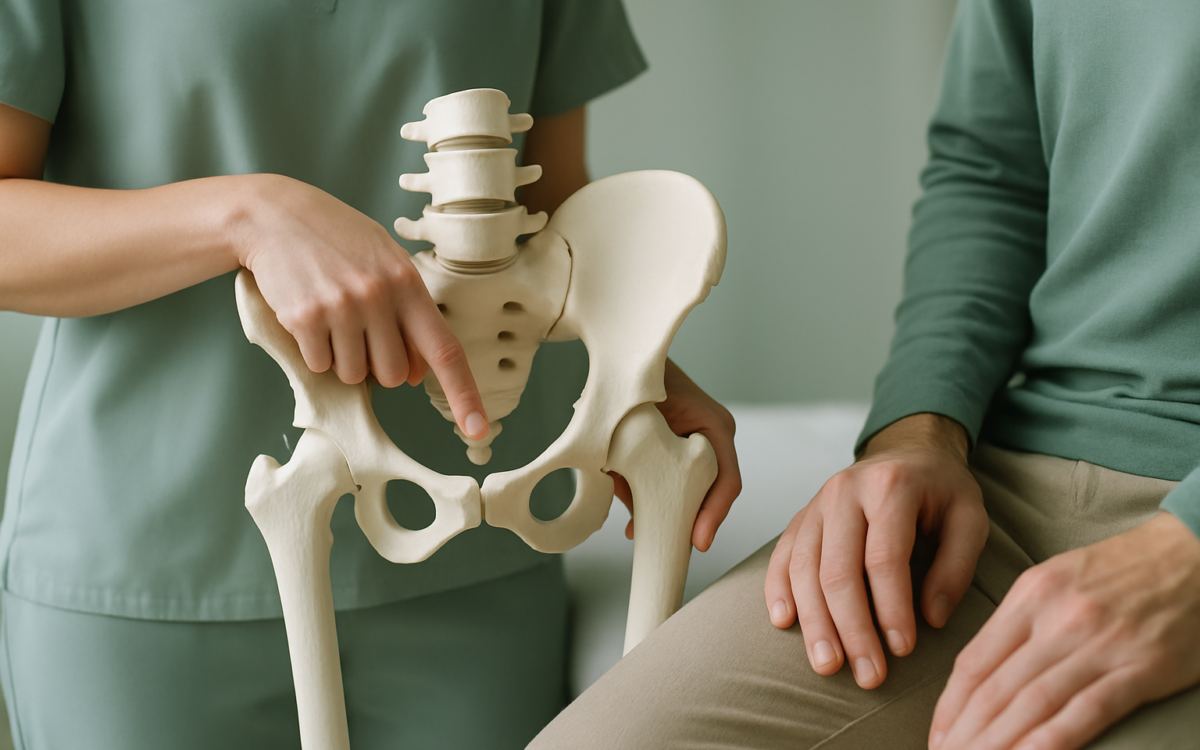
The ischial tuberosity is a bony prominence located at the bottom of the pelvis, specifically on the ischium bone. It’s often referred to as the ‘sit bones’ because it’s the part of the pelvis you feel when sitting down. Understanding the ischial tuberosity is crucial for recognizing its role in our posture, movement, and potential injuries that can occur in this area.
What is the Ischial Tuberosity?
The ischial tuberosity serves as an attachment point for several important muscles and ligaments, including the hamstring muscles. These muscles are essential for actions such as running, walking, and climbing. The positioning of the ischial tuberosity provides stability as we engage in these activities.
Symptoms of Ischial Tuberosity Issues
When something goes wrong at or near the ischial tuberosity, it can lead to various symptoms that might affect your daily life. Common symptoms include:
- Pain during sitting, especially on hard surfaces
- Sharp pain when moving the leg
- Discomfort after standing or walking for long periods
If you notice persistent pain in these areas, it’s essential to pay attention to your body and consider what activities may have contributed to this sensation.
Common Causes of Ischial Tuberosity Pain
Pain associated with the ischial tuberosity can arise from a few different conditions, including:
1. Bursitis
Bursitis occurs when the bursa, a small fluid-filled sac that reduces friction between muscles and bones, becomes inflamed. The ischial bursa can become aggravated due to prolonged sitting or heavy physical activity.
2. Hamstring Injuries
Since the hamstring muscles attach to the ischial tuberosity, injuries to these muscles can directly impact this area. Strains or tears can cause noticeable pain and discomfort.
3. Inflammation
Overuse or trauma can lead to inflammation at the site, contributing to chronic pain and discomfort.
Treatment Options
Treatments for ischial tuberosity pain typically focus on reducing inflammation and relieving pain. Common strategies include:
- Resting the affected area to avoid exacerbating the injury
- Applying ice packs to reduce swelling
- Over-the-counter anti-inflammatory medications
In some cases, physical therapy may be recommended to strengthen the muscles around the ischial tuberosity. Techniques can vary, including stretches and strength-building exercises aimed at improving flexibility and support for the pelvic area.
For individuals seeking more specialized care, treatment in Turkey can provide tailored physical therapy and rehabilitation programs designed to address specific needs, ensuring comprehensive support for recovery.
Preventing Ischial Tuberosity Issues
Prevention is often easier than treatment. Here are some tips to help maintain the health of your ischial tuberosity:
- Use cushioned seating solutions when sitting for extended periods
- Incorporate stretching into your daily routine, especially before exercises
- Gradually increase the intensity of physical activities to avoid overuse injuries
When to See a Doctor
If you experience persistent or severe pain near the ischial tuberosity, seeking medical advice is important. Additional symptoms that warrant a professional evaluation include:
- Swelling in the affected area
- Reduced ability to move your leg or hip
- Pain that interferes with daily activities or sleep
Conclusion
The ischial tuberosity is an essential part of our anatomy that plays a crucial role in our movement and daily activities. Awareness of the issues that can arise in this area can empower you to take proactive steps in caring for your body. If you have any concerns about pain or discomfort in this region, consult with a healthcare professional to find the most suitable solution for your needs.
