
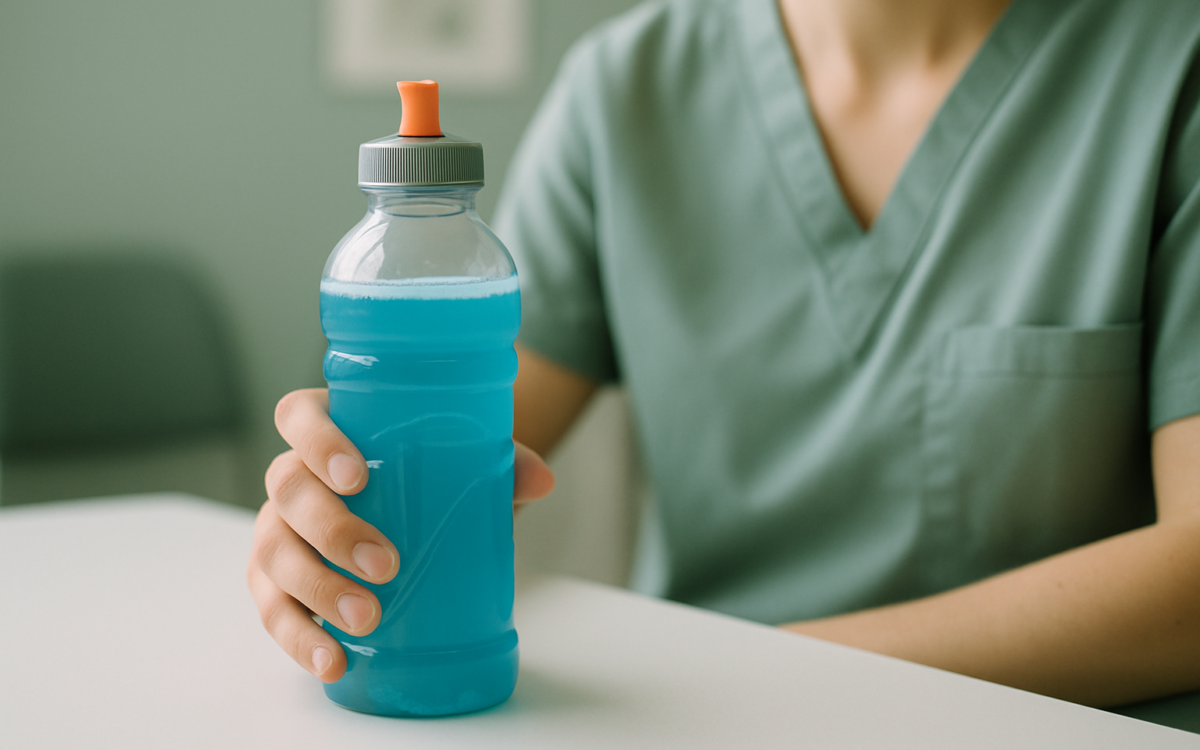
Blue Gatorade has become a staple in the sports drink world, with its vibrant color and refreshing taste making it a popular choice for athletes and casual drinkers alike. But what exactly is in this blue-hued beverage, and how does it compare to other hydration options? Let’s dive into the details of Blue Gatorade, its potential benefits, and some important considerations for your health.
Understanding Blue Gatorade
Gatorade was originally developed in 1965 at the University of Florida to help athletes replenish fluids and electrolytes lost during physical activity. Blue Gatorade, among other flavors, is a version of this product known for its striking blue color, appealing taste, and rehydrating qualities. The drink contains water, electrolytes, and carbohydrates, which are designed to help keep your body functioning optimally.
Ingredients That Make It Refreshing
Blue Gatorade typically contains the following key ingredients:
- Water: The primary ingredient and essential for hydration.
- Electrolytes: Sodium and potassium are the main electrolytes found in Blue Gatorade, which help regulate fluid balance in your body.
- Carbohydrates: Sugars such as sucrose and dextrose provide quick energy during physical activity.
- Flavoring and Color: Blue Gatorade contains artificial flavors and colors (like Blue 1) to enhance its taste and visual appeal.
These ingredients work together to replenish essential nutrients lost during vigorous exercise and to provide quick energy boosts.
The Benefits of Drinking Blue Gatorade
There are several benefits to consuming Blue Gatorade, especially in the context of physical activity:
- Rehydration: The electrolytes and water in Blue Gatorade can help replenish fluids lost through sweat.
- Quick Energy: The carbohydrates in the drink provide a fast source of energy during intense workouts.
- Taste: Its sweet flavor may encourage some individuals to drink more fluids, which is essential for staying hydrated throughout an activity.
According to research published by the National Institutes of Health, athletes who consume beverages with electrolytes may perform better and recover faster than those who do not.
Blue Gatorade vs. Other Hydration Options
While Blue Gatorade is popular among athletes, it’s important to compare it with other hydration options available. Here are some alternatives:
- Water: The most basic hydrating fluid. It contains no calories or added sugars and should be the first choice for most people during regular activities.
- Coconut Water: A natural alternative containing electrolytes and lower sugars than many sports drinks, making it suitable for light hydration.
- Electrolyte Tablets: These can be dissolved in water to create a low-calorie electrolyte drink, beneficial for those watching their sugar intake.
Deciding which hydration option is best can depend on several factors, including the intensity and duration of your activity, personal taste, and dietary preferences.
Health Considerations
While Blue Gatorade has its benefits, it’s essential to be aware of some health considerations:
- Sugar Content: Blue Gatorade contains sugar, which can contribute to excess calorie intake if consumed in large amounts. Regular consumption of high-sugar beverages can lead to health issues like obesity and diabetes.
- Not for Everyone: Gatorade is designed primarily for athletes or those engaging in strenuous exercise. For those with a sedentary lifestyle or during regular daily activities, water may be a better choice.
According to the World Health Organization, excessive sugar intake can lead to negative health outcomes. Moderation is vital to maintaining a balanced diet.
When to See a Doctor
While Gatorade and similar sports drinks can be beneficial, it’s important to monitor how you feel after consuming them. If you experience any of the following symptoms, consult a healthcare professional:
- Persistent dehydration symptoms, such as dizziness, dry mouth, or extreme fatigue.
- Gastrointestinal issues after consuming sports drinks, including nausea or stomach cramps.
- Unexplained weight gain, as excessive consumption of flavored drinks can contribute to increased calorie intake.
Conclusion
Blue Gatorade can be a useful hydration tool for athletes and those engaging in vigorous physical activity, providing quick energy and essential electrolytes. However, it’s essential to consider your personal health needs, sugar consumption, and hydration goals. For regular hydration, water often remains the best choice. Always consult your healthcare provider if you have any concerns about your hydration habits or health overall.
