
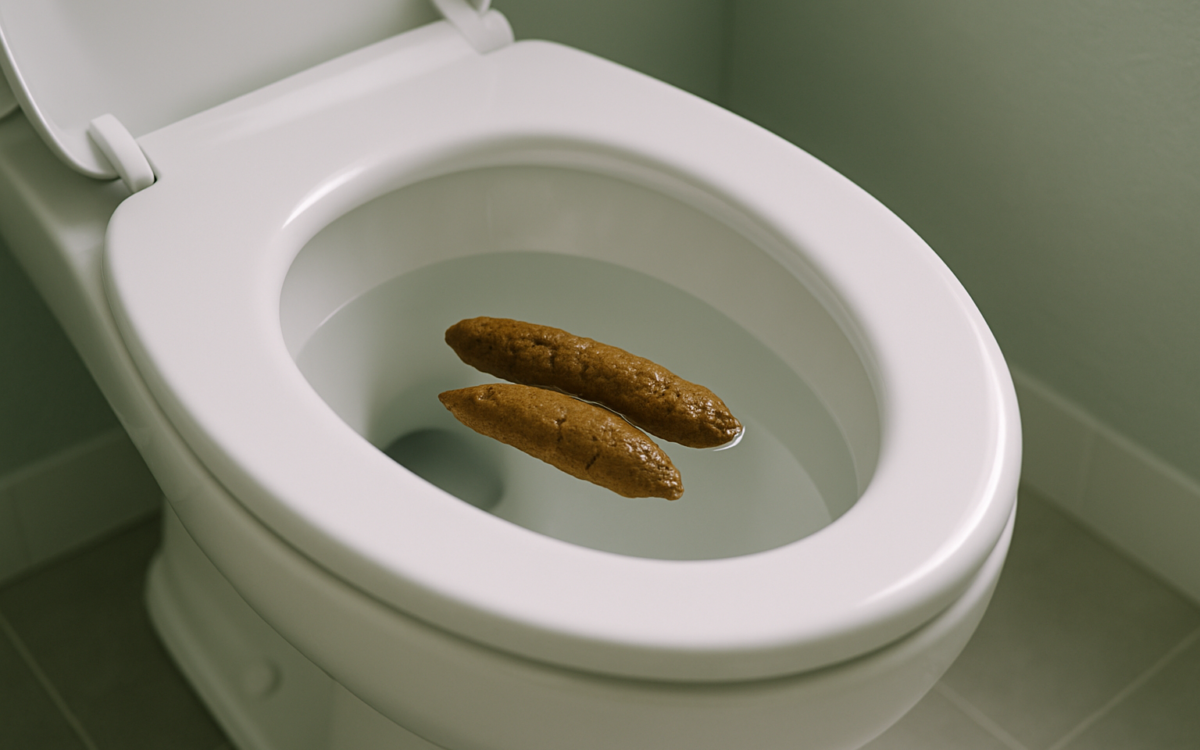
Have you ever glanced into the toilet and noticed your stool floating? While this may catch you off guard, it’s a more common occurrence than you might think. Floating faeces may be associated with various factors, including diet, digestion, and even underlying health conditions. In this article, we will explore the reasons why faeces can float and what it may indicate about your health.
What Does Floating Faeces Mean?
Stool is made up of water, bacteria, undigested food, and various other substances, which can affect its buoyancy. Faeces may float for several reasons, and understanding the underlying causes can provide insights into your digestive health.
Common Causes of Floating Faeces
There are a few typical reasons why your stool might float:
- Gas Production: A common reason for floating faeces is the presence of excess gas. When the bacteria in your intestines break down food, they produce gas, which can make your stool lighter and cause it to float.
- High-Fiber Diet: Eating a diet rich in fiber can lead to the production of bulkier stools, which may also float. Foods like beans, fruits, and whole grains can contribute to this effect.
- Malabsorption Disorders: Conditions such as celiac disease, chronic pancreatitis, or cystic fibrosis may lead to malabsorption. This means that your body isn’t properly absorbing nutrients, which can result in greasy, floating stools.
- Dietary Fats: Excessive consumption of dietary fats, especially unhealthy fats, can result in stools that float due to their high fat content.
When Could It Be a Health Concern?
While floating faeces can be a benign occurrence, it can sometimes indicate health issues that may require attention. Here are some warning signs to watch for:
- Persistent Changes: If your stool continues to float over a significant period, it may be worth discussing with a healthcare professional.
- Other Symptoms: Floating faeces accompanied by other symptoms like abdominal pain, diarrhea, weight loss, or changes in appetite could suggest a more serious condition.
- Appearance of Stools: If your floating stools are unusually pale, greasy, or foul-smelling, it may indicate a problem with fat absorption.
Link Between Diet and Floating Faeces
Your diet plays a crucial role in the characteristics of your stool. Foods high in fiber can promote healthier digestion and contribute to well-formed stools. However, certain dietary choices can lead to floating stools. For instance, a sudden increase in high-fat foods, such as fried dishes or processed snacks, can introduce an excess of fat to your digestive system.
If you’re traveling or living away from home and need specialized care, looking into international patient services can provide you with the resources necessary to address any health concerns that arise during your travels.
Seeking Balance in Gut Health
Maintaining a balanced gut is essential for overall health. Here are some steps you can take:
- Eat a Balanced Diet: Focus on consuming a variety of fruits, vegetables, whole grains, and lean proteins. Limit processed foods and those high in unhealthy fats.
- Stay Hydrated: Drinking water plays a vital role in digestion and can help produce well-formed stools.
- Consider Probiotics: Probiotics can promote a healthy gut flora, which may aid in digestion and reduce gas production.
- Regular Exercise: Staying active is good for your digestive system and can help maintain regular bowel movements.
When to See a Doctor
If you find that your floating faeces persist or are accompanied by troubling symptoms, it’s important to consult a doctor. They can help identify any underlying conditions and recommend appropriate treatments if necessary. Keep track of any changes in your bowel habits and don’t hesitate to ask your healthcare provider for advice.
In conclusion, while floating faeces can be a normal part of digestive health, understanding the potential underlying causes can help you stay informed about your body. Paying attention to your diet and any other symptoms can guide your decisions and ensure you’re maintaining proper health.
