
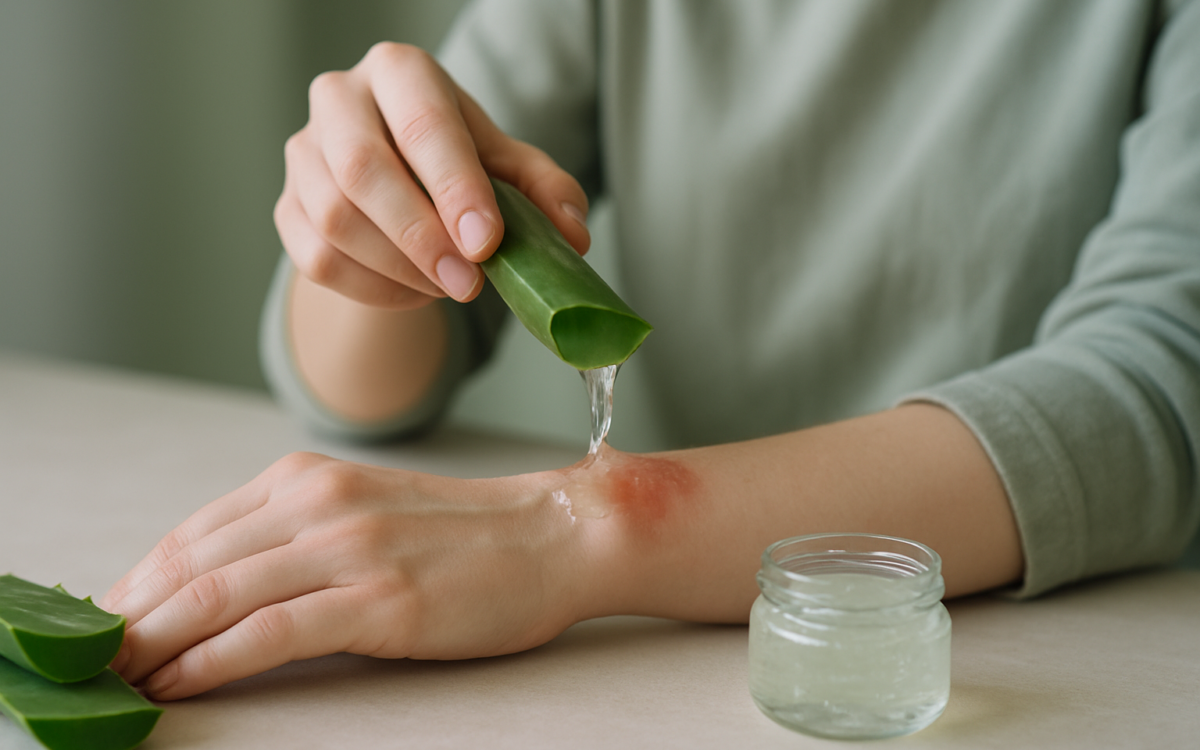
Aloe vera gel is widely celebrated for its soothing properties and skin benefits. Many people use it to hydrate the skin, treat sunburn, or alleviate minor burns and skin irritations. However, some users report experiencing a burning sensation upon application. Understanding why this occurs and how to ensure safe usage is essential for anyone who wants to incorporate aloe vera gel into their skincare routine.
What Causes Burning Sensation with Aloe Vera Gel?
While aloe vera is generally safe for topical use, some individuals may experience irritation or a burning sensation. This reaction can result from several factors:
- Allergic Reaction: Some people may have an allergy to aloe vera or its components. This can lead to redness, itching, and a burning feeling on the skin.
- Skin Sensitivity: Pre-existing skin conditions such as eczema, psoriasis, or dermatitis may cause heightened sensitivity to aloe vera gel. When these conditions are present, the skin may react more intensely.
- Formulation and Additives: Over-the-counter aloe vera gels may contain additional ingredients like preservatives, fragrances, or alcohol that can irritate sensitive skin.
- Fresh Aloe Vera: If using fresh aloe vera gel directly from the plant, some individuals may react to the latex or compounds found in the inner leaf. It’s critical to ensure the gel is properly extracted.
- Skin Integrity: Applying aloe vera gel on broken, irritated, or compromised skin can lead to a stinging or burning sensation.
Identifying Allergic Reactions
If you experience a burning sensation, begin by determining whether it’s an allergic reaction. Common signs of an allergic response include:
- Redness or swelling in the area of application
- Itching or rash
- Blistering or inflammation
If you suspect an allergy, discontinue use immediately and consult a healthcare professional for guidance. For some, even a patch test may help to ascertain tolerance before widespread application.
Tips for Safe Application of Aloe Vera Gel
To minimize the likelihood of experiencing burning or irritation when using aloe vera gel, consider the following guidelines:
- Choose Pure Products: Look for high-quality aloe vera gel with minimal additives. Products should ideally contain 100% aloe vera or as close to it as possible.
- Perform a Patch Test: Apply a small amount of aloe vera gel on a discreet area of skin and wait 24 hours to see if any adverse reactions develop. If you experience any irritation, avoid using it further.
- Start Slowly: If you have sensitive skin, introduce aloe vera into your routine gradually to monitor how your skin reacts.
- Keep Skin Clean: Before applying aloe vera gel, ensure that your skin is clean and dry. This reduces the chance of irritation.
- Avoid Mixing: Avoid mixing aloe vera gel with other skincare products unless you are certain they are compatible.
- Consult a Professional: If you are unsure about how to use aloe vera or whether it’s suitable for your skin type, consider consulting a dermatologist.
Benefits of Aloe Vera Gel
Despite the potential for some individuals to experience burning sensations, aloe vera gel has numerous benefits that make it a popular choice for skincare:
- Hydration: Aloe vera is known for its hydrating properties, making it an excellent moisturizer for dry skin.
- Soothing Sunburn: It is commonly used to alleviate redness, swelling, and pain associated with sunburn.
- Wound Healing: Aloe vera may promote faster healing of minor wounds and cuts due to its anti-inflammatory properties.
- Antioxidant Properties: The gel contains antioxidants such as vitamins C and E, which can help protect the skin from damage.
- Anti-Inflammatory Effects: Aloe vera can help reduce irritation and inflammation, making it beneficial for skin conditions.
When to See a Doctor
If you experience persistent burning or other severe reactions after using aloe vera gel, it may be time to consult with a healthcare professional. Seek medical attention if you notice:
- Severe redness or blisters on the skin
- Signs of an allergic reaction, such as difficulty breathing or swelling
- Persistent irritation that does not improve after discontinuing use
Conclusion
Aloe vera gel can be a fantastic addition to your skincare routine, but it’s crucial to understand how to use it safely. If you encounter a burning sensation, take a moment to assess the situation, and consider the potential causes. By following best practices for application and being aware of your skin’s reactions, you can enjoy the soothing benefits of aloe vera without adverse effects. Always consult a healthcare professional if you have concerns about how aloe vera gel fits into your skincare regimen or if you experience troubling reactions.
