
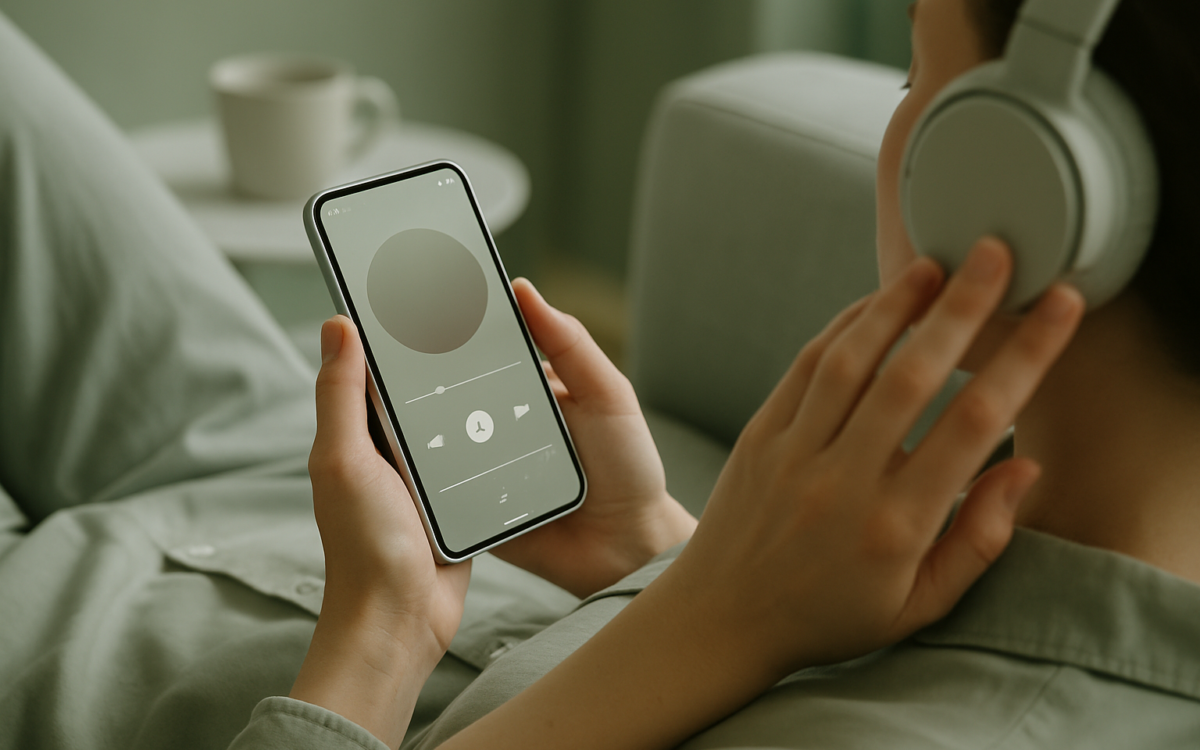
In today’s fast-paced world, finding ways to unwind and relax is more important than ever. Music has long been considered a powerful tool for relaxation, capable of soothing the mind and body. From classical symphonies to gentle nature sounds, the right tunes can help us reduce stress, improve our mood, and even enhance our overall well-being. In this article, we will explore the best music to relax, along with insights into why certain types of music work better than others.
The Science Behind Relaxation and Music
Music affects our brain in intriguing ways. Studies have shown that listening to soothing music can decrease cortisol levels, the hormone related to stress. According to the National Institutes of Health, engaging with relaxing melodies can trigger brain responses that foster relaxation, enhance mood, and even lower blood pressure. But what makes some music more effective at promoting relaxation than others?
Genres of Music That Promote Relaxation
Different genres of music can evoke various feelings and emotions. Here are some of the top genres that are often cited as the best for relaxation:
- Classical Music: The soothing sounds of classical music, particularly compositions by artists like Johann Sebastian Bach or Claude Debussy, are often lauded for their calming effects. Slow movements and gentle harmonies can help reduce anxiety and promote a sense of peace.
- Ambient Music: Ambient music includes soundscapes designed to create a tranquil atmosphere. Artists like Brian Eno have been pioneers in this genre, using soft melodies and natural sounds to transport listeners to a calm state.
- Nature Sounds: Some people find deep relaxation in music that incorporates the sounds of nature, such as gentle rain, ocean waves, or birds chirping. These natural sounds can create a serene backdrop that quiets the mind.
- Jazz and Blues: The smooth rhythms of jazz and blues can also facilitate relaxation. These genres often evoke a laid-back mood which can ease tension and promote a sense of comfort.
- World Music: Many cultures have their own unique musical traditions that can be incredibly soothing. Whether it’s traditional Indian sitar music or Native American flute, these sounds can provide unique avenues for relaxation.
Creating Your Relaxation Playlist
Building a personal playlist of relaxing music can enhance your relaxation experience. Here are some tips to consider when curating your collection:
- Choose the Right Tempo: Look for music with a slow tempo, generally around 60-80 beats per minute, as this can help mimic the rhythms of relaxation.
- Incorporate Instrumentals: Instrumental music often lacks lyrics that can engage your mind, allowing you to relax without distraction.
- Experiment with Different Styles: What relaxes one person may not work for another. Try different genres and styles to discover what resonates with you.
- Limit Your Playlist Length: A shorter playlist can help maintain your focus and keep the relaxation experience effortless.
- Use Streaming Services: Many music platforms offer pre-made playlists specifically designed for relaxation, so you can start your journey with ease.
Using Music as a Tool for Mindfulness
Combining music with mindfulness techniques can further enhance relaxation. This can include practices such as:
- Deep Breathing: Listen to relaxing music while focusing on your breath can help you center your mind and body.
- Guided Meditation: Many apps offer guided meditations that feature soothing background music, helping you achieve a deep state of relaxation.
- Visualization: Use music to accompany visualizations of calming scenarios, like a peaceful beach or serene forest, to amplify your relaxation experience.
The Role of Music Therapy
Music therapy is a clinical and evidence-based practice where music is used to support mental and emotional health. According to the World Health Organization, music therapy can be beneficial for mental health and wellness, helping to reduce anxiety and improve emotional well-being. If you’re interested in exploring the therapeutic benefits of music, consider seeking a certified music therapist who can guide you through tailored musical experiences.
When to See a Doctor
If you frequently feel overwhelmed by stress or anxiety despite using music for relaxation, it may be helpful to consult with a healthcare professional. Chronic stress can have serious health implications, and a doctor or counselor can provide you with additional strategies to manage your well-being.
Conclusion
Finding the best music to relax is a personal journey that can greatly enhance your quality of life. By exploring different genres, creating playlists, and incorporating mindfulness techniques, you can cultivate a soothing environment that allows you to unwind. Remember, music is a powerful tool, and with a little exploration, you can discover the perfect sounds to bring peace and tranquility into your life.
