
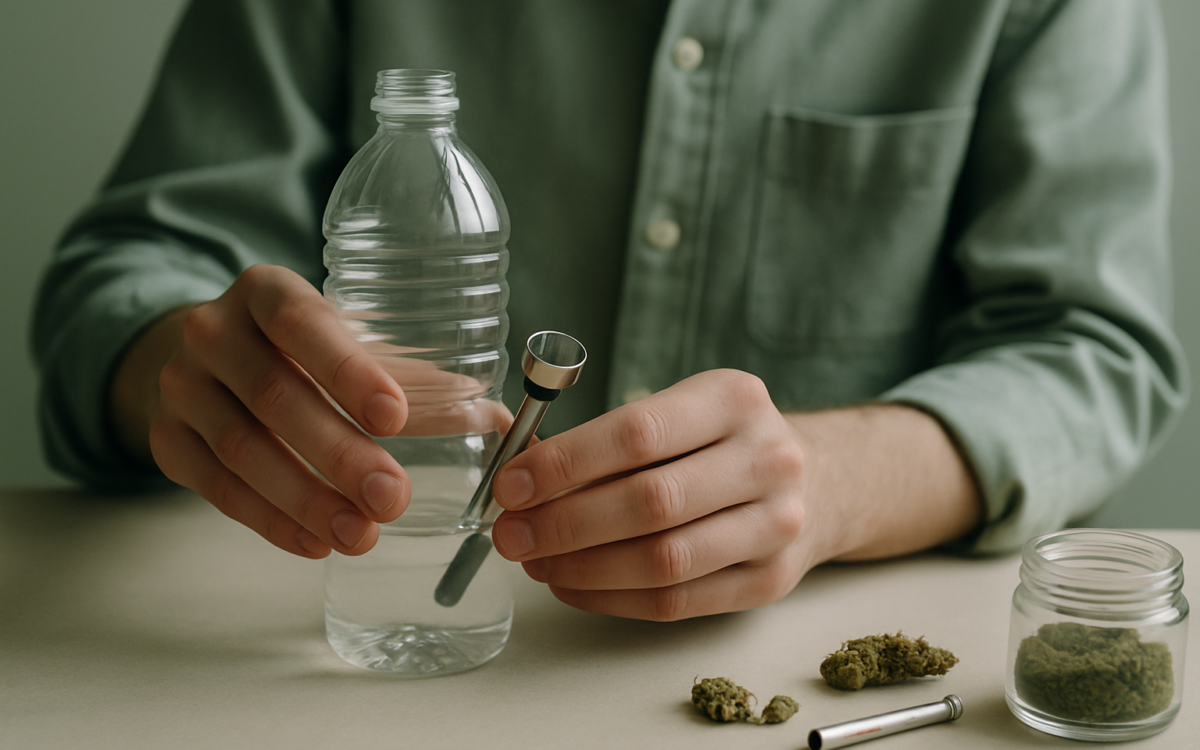
Crafting your own bong can be a fun project, especially if you’re interested in DIY activities. A bong is a popular tool for smoking herbs, typically used in various cultures for centuries. While there are stores and many online retailers that sell bongs, making one at home allows for creativity and personalization. This guide covers everything you need to know about making a bong, including materials, techniques, and safety considerations.
What is a bong?
A bong is a filtration device used for smoking. It consists of a water chamber to cool down smoke, making inhalation smoother. As smoke passes through water, it filters out some impurities and particulates. This process can also help reduce coughing and irritation in the throat. Bongs come in various designs and sizes, but the core concept remains the same across all types.
Materials you’ll need
To create a basic bong, you’ll need some common materials. Here is a list of items typically found at home:
- A bottle or container: A plastic or glass bottle works well. Common options include soda bottles or empty glass jars.
- A bowl: A bowl can be made from various materials, including aluminum foil or a metal socket from a light bulb.
- A downstem: You’ll need a tube that allows smoke to be pulled into the water chamber. A pen tube or similar item can work well.
- Water: This is essential for filtration, so you can use regular tap water or filtered water.
- Optional decorations: If you want to personalize your bong, consider paints or stickers for decoration.
Step-by-step guide to making a bong
Follow these steps to create your very own homemade bong:
- Prepare the container: Start by cleaning your bottle or jar thoroughly. Remove any labels, and make sure it’s free of any residues.
- Create the downstem hole: Using a lighter or heated tool, pierce a hole near the bottom of the container. The hole should be on an angle, so the downstem can sit in it securely. The hole diameter should match the width of your downstem.
- Insert the downstem: Push the downstem into the hole you just made, ensuring it is angled downward into the water. The end should sit just above the bottom of the container, allowing it to submerge.
- Make the bowl: If you’re using aluminum foil, mold it into a small bowl shape that fits securely on top of the downstem. Poke a few tiny holes in the foil to allow smoke to pass through.
- Add water: Pour water into the container until the end of the downstem is submerged. You want enough water to filter the smoke but not so much that it overflows.
- Test it out: Pack the bowl with your chosen material, cover the bowl, and inhale through the mouthpiece while lighting the bowl. This creates suction, pulling smoke into the water before it reaches you.
Safety considerations
While making your own bong can be delightful, safety is vital. Here are some important points to keep in mind:
- Material safety: Avoid using plastics that contain harmful chemicals. If you’re using aluminum foil, make sure to use food-grade quality to minimize exposure to any toxins.
- Cleanliness: Ensure all your materials are clean before use to prevent introducing any harmful bacteria or residues into your system.
- Moderation: If you’re new to smoking or using a bong, start slow. It can be easy to overdo it with the smooth inhalation that a bong provides.
Exploring bongs globally
Bongs are enjoyed in various cultures around the world, each with unique designs and methods of use. In countries like Turkey, traditional methods explore diverse materials and herbal mixes. If you are interested in learning more about international perspectives on wellness, you might consider treatment in Turkey, where alternative approaches to health are often integrated with modern medical practices. Exploring cultural connections can deepen your understanding of using tools like bongs in different lifestyles.
When to see a doctor
If you experience any negative side effects from smoking, such as persistent cough, shortness of breath, or unusual chest pain, it’s essential to consult with a healthcare professional. They can provide guidance on respiratory health and smoking-related concerns. Always seek advice from a qualified provider regarding the best practices for your health.
Conclusion
Making your own bong can be an enjoyable and creative experience. By following simple steps and prioritizing safety, you can craft a personalized smoking device that suits your preferences. While bongs can provide a smoother experience when it comes to smoking, it’s crucial to be mindful of health implications and always approach smoking responsibly.
