
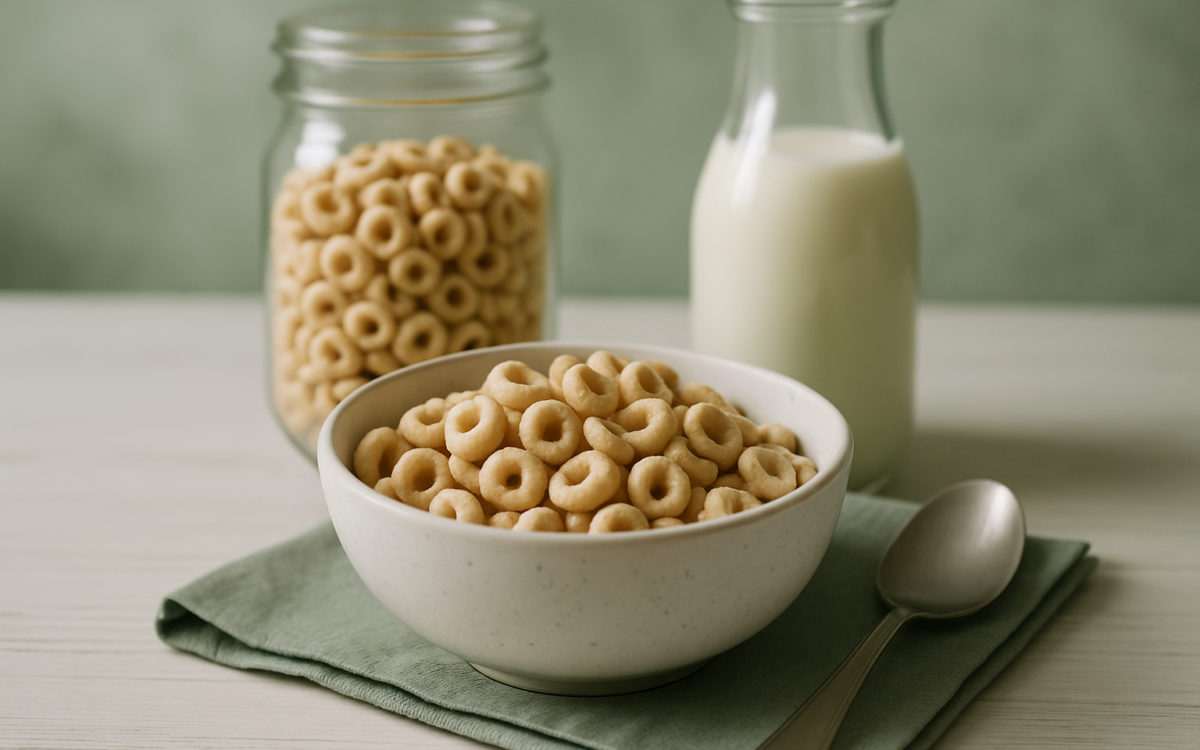
Cheerios have long been a breakfast staple in many American households. Known for their distinctive O shape and versatility, they can be enjoyed plain, with milk, or even as a snack. But as you pour your morning bowl, you might wonder: are Cheerios truly a healthy choice for your diet? In this article, we’ll dive into their nutritional profile, health benefits, and any concerns you may need to consider.
Nutritional Profile of Cheerios
Cheerios are often praised for their simple ingredient list and whole grain content. According to the manufacturer, a serving of original Cheerios (about one cup) contains:
- 100 calories
- 2 grams of fat
- 20 grams of carbohydrates
- 3 grams of dietary fiber
- 1 gram of sugar
- 3 grams of protein
The primary ingredient in Cheerios is whole grain oats, which are known for their nutritional benefits. They are a source of dietary fiber and can help keep you feeling full. In fact, the National Institutes of Health (NIH) recommends incorporating whole grains into your diet for their protective effects against chronic diseases.
Health Benefits of Cheerios
Cheerios offer several potential health benefits that make them a popular breakfast choice for many:
1. Heart Health
One of the standout qualities of Cheerios is their cholesterol-lowering effects. Studies indicate that oats can help lower cholesterol levels, particularly LDL (bad cholesterol) when consumed as part of a balanced diet. The soluble fiber in oatmeal is believed to bind to cholesterol in the digestive system and promote its excretion, thereby reducing overall cholesterol levels. The Centers for Disease Control and Prevention (CDC) emphasize the importance of managing cholesterol for heart health.
2. Weight Management
The fiber content in Cheerios can help with weight management. High-fiber foods tend to be more filling, which may reduce the overall calorie intake throughout the day. When consumed for breakfast, Cheerios can help keep you satiated until your next meal, making it easier to steer clear of unhealthy snacking.
3. Gluten-Free Option
For those with gluten sensitivities or celiac disease, regular Cheerios are certified gluten-free. This means that they have undergone processing methods to eliminate gluten, making them a safe choice for those who need to avoid this protein found in wheat, barley, and rye. However, it’s always wise to double-check product labels to ensure they meet your dietary needs.
Concerns to Consider
While Cheerios can be a part of a healthy diet, there are some concerns that consumers should keep in mind:
1. Added Sugar and Flavorings
The original Cheerios variety is low in sugar, but flavored versions can contain added sugars and other ingredients. Excess sugar consumption is linked to various health risks, including obesity and diabetes. Always check the nutritional label, and consider opting for the original version if you’re monitoring your sugar intake.
2. Not a Complete Meal
While Cheerios offer dietary fiber and some protein, they may not provide all the essential nutrients you need for a balanced breakfast on their own. Consider pairing them with other nutritious foods such as fresh fruit, yogurt, or nuts for added vitamins and minerals. Balanced meals set a strong foundation for optimal health.
How to Enjoy Cheerios Healthily
If you decide to include Cheerios in your diet, there are numerous ways to enjoy them while maximizing their health benefits:
- Mix Cheerios with nuts and seeds for added protein and healthy fats.
- Add fresh or frozen fruits like bananas, berries, or apples for natural sweetness and additional vitamins.
- Pour in a splash of milk or a plant-based alternative for calcium and other nutrients.
- Consider using Cheerios in creative recipes, such as clustering them in snacks or using them as a crunchy topping for smoothies.
When to See a Doctor
If you have specific health concerns, such as high cholesterol or dietary restrictions, it’s important to speak with your doctor or a registered dietitian. They can offer personalized advice based on your unique health situation and dietary needs.
Conclusion
In summary, Cheerios can be a healthy breakfast option when consumed as part of a balanced diet. Their whole grain oats, fiber content, and potential heart health benefits make them appealing. However, be mindful of flavored varieties with added sugars and aim to complement your meal with other nutritious foods. As with any dietary choice, moderation and variety are key. So pour yourself a bowl of Cheerios, but consider how you can elevate your meal for overall health.
