
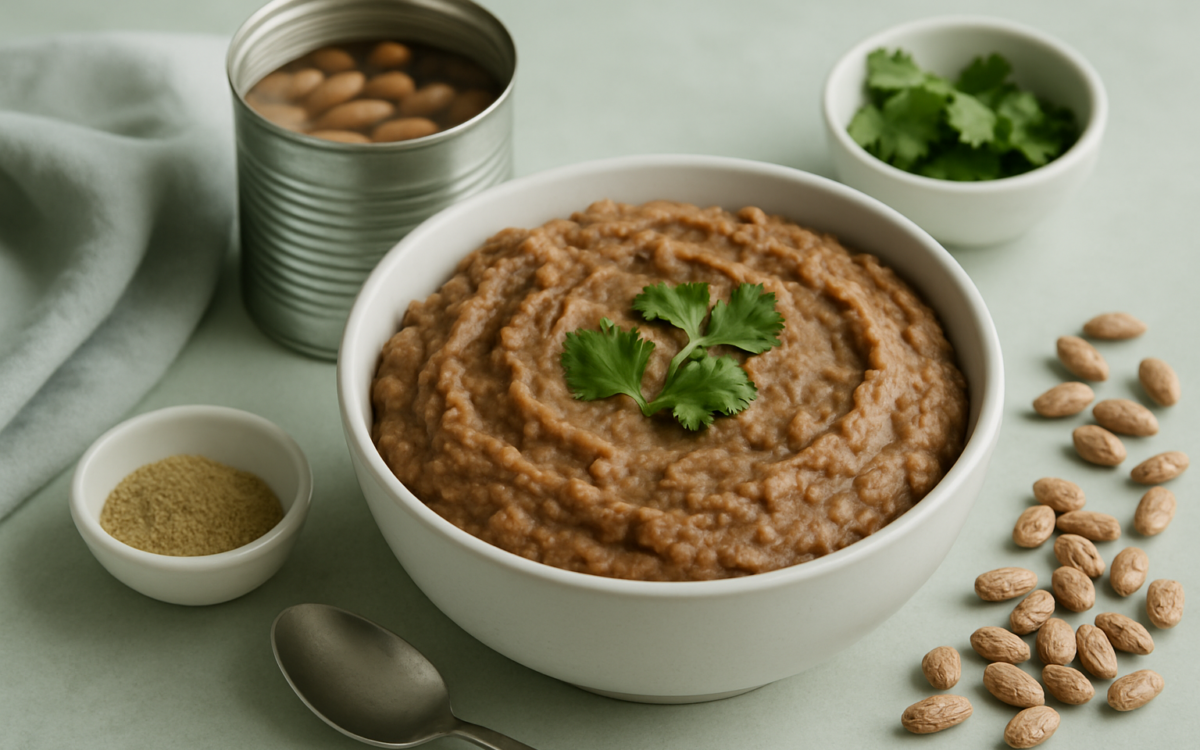
Refried beans are a popular dish, often found in Mexican cuisine and served as a side or filling for various foods. But as you enjoy this hearty staple, you might wonder: are refried beans healthy? Let’s explore their nutritional profile, potential health benefits, and whether they can be a worthwhile addition to your diet.
Nutritional profile of refried beans
Refried beans are made from pinto beans or black beans that are cooked, mashed, and then fried, typically in lard or oil. While the cooking process can affect their nutritional quality, refried beans still hold many nutritional benefits. Here’s a closer look at what they contain:
- Protein: Beans are an excellent source of plant-based protein, providing about 7-8 grams of protein per half-cup serving of refried beans. This makes them a great option for vegetarians and anyone looking to incorporate more protein into their diet.
- Fiber: Refried beans are rich in dietary fiber, offering approximately 7 grams per serving. Fiber is crucial for digestive health, helping to maintain regular bowel movements and preventing constipation.
- Vitamins and minerals: Refried beans are good sources of essential vitamins and minerals, including magnesium, potassium, and folate, which play important roles in overall health.
- Calories and fat content: The calorie and fat content of refried beans can vary widely depending on how they are prepared. Traditional recipes that use lard can be higher in saturated fats, while healthier versions may use olive oil or no added fat at all.
Health benefits of refried beans
Incorporating refried beans into your meals comes with several potential health benefits:
- Heart health: The fiber in refried beans can help lower cholesterol levels and support cardiovascular health. Beans are also low in saturated fat, making them a heart-healthy food choice.
- Blood sugar regulation: The combination of protein and fiber helps slow down the absorption of sugars into the bloodstream, which can help maintain stable blood sugar levels. This can be especially beneficial for people with diabetes or those at risk for developing it.
- Weight management: Due to their high fiber and protein content, refried beans can help you feel full longer. This may assist with weight management and prevent overeating during meals.
Can refried beans fit into a balanced diet?
Yes, refried beans can be a nutritious addition to a balanced diet. It’s essential to consider how they are prepared, though. Here are some tips for enjoying refried beans while maximizing their health benefits:
- Choose healthier fats: Opt for refried beans made with healthier oils, like olive oil, instead of lard. You can also look for varieties labeled as “fat-free” or make them at home using less fat.
- Pair with other nutrient-rich foods: Enjoy refried beans alongside whole grains, vegetables, or lean proteins to create a well-rounded meal. For example, try them in a whole grain wrap with plenty of vegetables.
- Watch portion sizes: While beans are healthy, it’s still essential to keep portion sizes in check, especially if they are prepared with added fats or cheese.
If you’re considering refried beans as part of a meal plan that includes international cuisine, you might want to explore options through international patient services for diverse dietary needs.
Potential downsides of refried beans
While refried beans have numerous benefits, some potential downsides include:
- High sodium content: Many commercially prepared refried beans contain added salt, which can contribute to high sodium intake. High sodium consumption is linked to increased blood pressure and other health issues. Be sure to check the labels and opt for low-sodium varieties when possible.
- Digestive concerns: Some individuals may encounter digestive issues when consuming beans, including gas or bloating. This can be due to the high fiber content or certain sugars in beans that can be challenging to digest for some people.
How to prepare refried beans at home
Making refried beans at home can be a simple and rewarding process. Here’s a straightforward recipe you can try:
- Ingredients: 2 cups cooked pinto or black beans, 1 tablespoon olive oil, diced onion, minced garlic, cumin, salt, and pepper to taste.
- Instructions: Heat olive oil in a pan over medium heat. Add onion and garlic, sauté until soft. Stir in cooked beans, cumin, salt, and pepper. Mash with a fork or potato masher to your desired consistency, adding a splash of bean cooking liquid or water for creaminess.
Not only is this homemade version healthier, but it also allows you to customize your ingredients according to your dietary needs and flavor preferences.
When to see a doctor
If you have any concerns about your diet or how beans fit into your health plan, especially if you have existing health conditions like diabetes or high blood pressure, consult your healthcare provider. They can provide tailored advice based on your personal health needs.
In conclusion, refried beans can be a nutritious and healthy component of your diet when prepared thoughtfully and eaten in moderation. With protein, fiber, and essential vitamins, they offer several health benefits. So go ahead and enjoy this versatile food, whether as a part of a festive meal or a simple weeknight dinner!
