
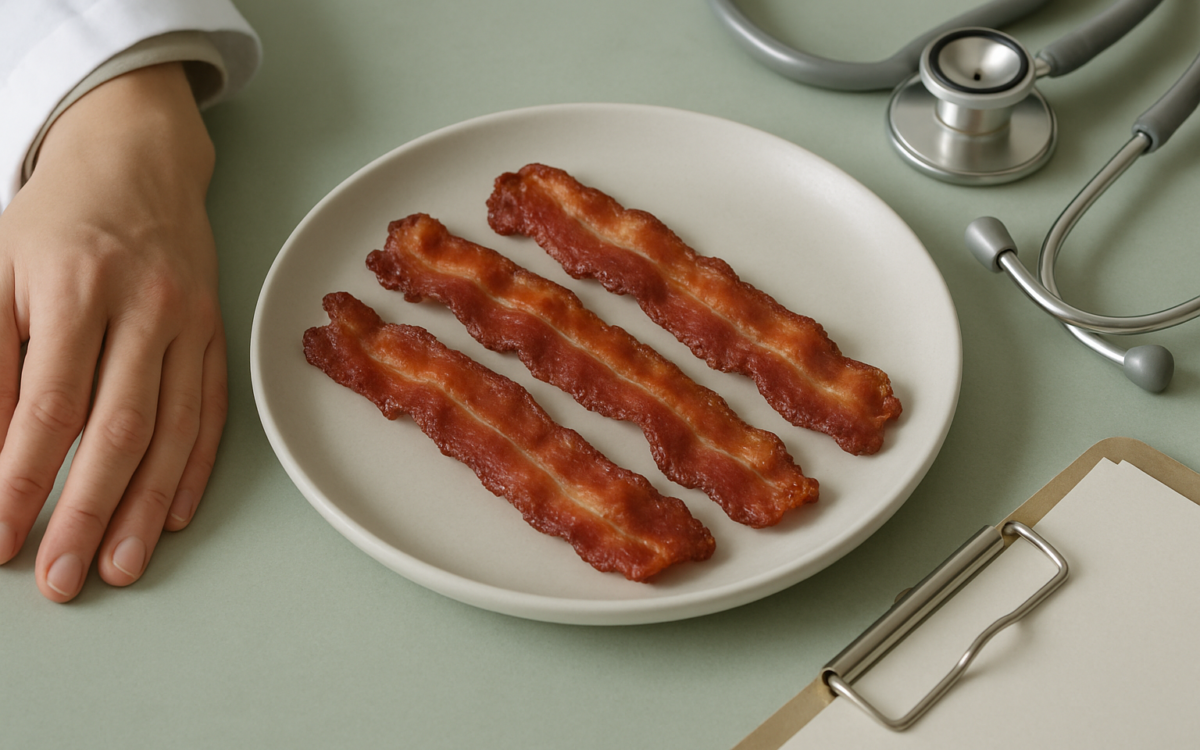
Bacon has a special place in many people’s hearts (and stomachs). Whether it’s crispy, chewy, or added to a delicious breakfast plate, bacon can evoke a range of emotions. However, as health awareness rises, many find themselves asking: is bacon healthy? This article explores the nutritional aspects, health effects, and how to enjoy bacon in moderation.
The Nutritional Profile of Bacon
Bacon is primarily made from pork belly, which is rich in fats, protein, and certain vitamins. According to the U.S. Department of Agriculture, a typical 3-ounce serving of cooked bacon contains about:
- 42 grams of fat
- 12 grams of protein
- 1 gram of carbohydrates
- Approximately 15% of the daily recommended intake of sodium
Despite its high fat and calorie content, bacon also provides some B vitamins, particularly niacin (B3) and riboflavin (B2), as well as minerals like phosphorus and selenium. But with convenience foods and breakfast options available, it’s essential to balance the pros and cons.
Health Risks associated with Bacon Consumption
While bacon may evoke fond memories of family breakfasts and late-night snacks, it doesn’t come without health concerns. Research has linked processed meats like bacon to certain health risks:
- Heart Disease: Regular consumption of high-fat foods can negatively impact heart health. Studies suggest that high saturated fat levels can contribute to high cholesterol and heart disease.
- Cancer Risk: The World Health Organization classifies processed meats, including bacon, as a Group 1 carcinogen, which means there is enough evidence to suggest that consuming processed meats may increase cancer risk, particularly colorectal cancer.
- Weight Gain: Due to its calorie density, high fat, and high sodium content, frequent bacon consumption can contribute to weight gain and other metabolic issues.
For those managing their health, it’s crucial to keep these risks in mind. Regular check-ups can help monitor health markers, especially if bacon is a frequent part of your diet.
How to Enjoy Bacon Sustainably
So, how can you savor bacon while still maintaining a health-conscious lifestyle? Here are some tips:
- Moderation is Key: It’s perfectly fine to enjoy bacon occasionally. Consider having it as a treat, rather than a daily staple.
- Choose Quality: Opt for high-quality bacon, preferably organic or from pasture-raised pigs. These options typically have fewer additives and may contain healthier fats.
- Pair Wisely: Instead of having bacon as the main component of your meal, consider adding it in small amounts to salads, soups, or vegetable dishes. This way, you balance flavors without overwhelming your diet.
- Explore Alternatives: If you’re concerned about processed meats, there are plenty of alternatives! Turkey bacon, vegetable bacon, and other plant-based options can offer a similar taste without the added health risks.
In some parts of the world, such as Turkey, alternative treatments and culinary practices focus on healthier options. For more info, you can check out acibademinternational.com, which delves into various international cuisines and health-oriented diets.
The Impact of Diet on Health
Bacon is just one component of an overall diet, and how it fits into your lifestyle matters. A balanced diet full of fruits, vegetables, whole grains, lean proteins, and healthy fats can lead to better health outcomes. It is vital to focus on overall dietary patterns rather than singling out one food.
Various studies underscore that a diet rich in diverse nutrients supports good health and can mitigate some risks associated with bacon consumption. For example, the Mediterranean diet, high in plant-based foods and healthy fats, has been shown to lower the risk of cardiovascular diseases.
Conclusion
In summary, bacon can be enjoyed in moderation as part of a balanced diet, but it does come with some health risks that should be considered. Understanding its nutritional profile and being mindful of portion sizes can help you make informed choices. As with all dietary habits, consulting a healthcare provider for personalized advice is always a wise approach. Whether bacon remains a cherished food in your diet is entirely up to you!
When to See a Doctor
If you have specific health concerns about your diet, cholesterol levels, or other issues related to processed meats, it may be beneficial to speak with your doctor. They can provide tailored guidance based on your health history and nutritional needs.
