
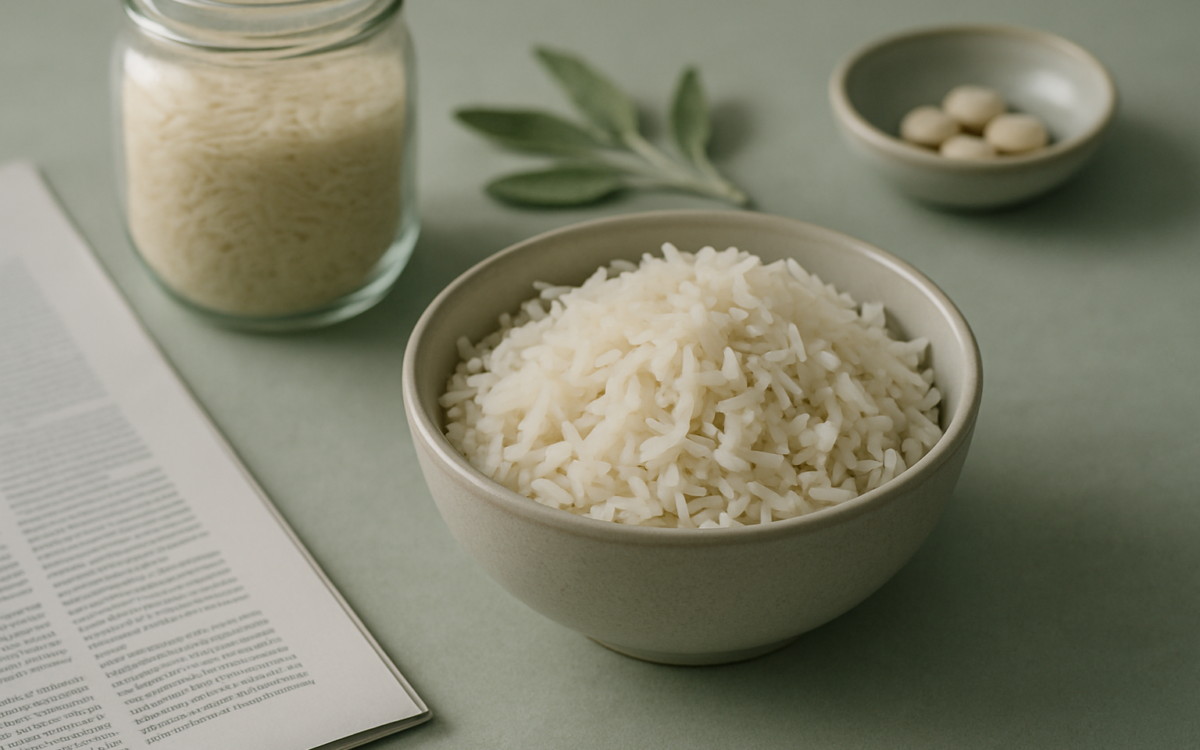
Many of us love the fluffy, aromatic grains of basmati rice, often served with savory dishes. But just how healthy is this popular staple? In this article, we will delve into the nutritional benefits of basmati rice, compare it to other rice varieties, and highlight what makes it a great choice for your meals.
Nutritional Profile of Basmati Rice
Basmati rice is traditionally grown in the Himalayan region and is known for its long grains and distinct fragrance. One of the standout features of basmati rice is its nutritional profile.
Here’s a breakdown of what you can expect in one cup of cooked basmati rice (around 150 grams):
- Calories: Approximately 190
- Carbohydrates: 39g
- Protein: 4g
- Fat: 0.5g
- Fiber: 1g
Compared to other rice varieties, basmati rice has a lower glycemic index, which can be beneficial for maintaining blood sugar levels.
The Glycemic Index and Its Importance
The glycemic index (GI) measures how quickly a food raises your blood sugar levels. Foods with a high GI can lead to spikes in blood sugar and may increase the risk of diabetes and heart disease. Basmati rice has a medium GI, typically ranging from 50 to 58, depending on the specific variety.
This comparatively low GI makes basmati rice a better choice than many other white rice varieties, which can have a GI as high as 85. When planning meals, opting for foods with a lower GI can help you stabilize your energy levels and reduce hunger after meals.
Health Benefits of Basmati Rice
Basmati rice offers several health benefits:
1. Easy to Digest
Many people find basmati rice easy to digest, making it a great option for those with sensitive stomachs or digestive issues. Not only is it a gentle food, but it can also be a valuable source of energy, especially for athletes or those leading active lifestyles.
2. Source of Essential Nutrients
While basmati rice is primarily a source of carbohydrates, it does provide essential nutrients, including certain B vitamins (such as thiamine and niacin), which play a role in energy metabolism and brain health.
3. Gluten-Free Option
For individuals with celiac disease or gluten sensitivity, basmati rice is a fantastic gluten-free option. It can serve as a base for various dishes without the risk of triggering symptoms associated with gluten consumption.
How to Use Basmati Rice in Your Diet
Incorporating basmati rice into your diet can be delicious and straightforward. Here are a few ideas:
- Pilaf or Biryani: Use basmati rice as a base for fragrant biryani or pilaf dishes.
- Side Dish: Serve it alongside grilled vegetables or protein sources like chicken, fish, or legumes.
- Salads: Add cooled, cooked basmati rice to salads for a satisfying texture.
- Sushi: Though traditional sushi uses short-grain rice, you can experiment with basmati in creative sushi rolls.
Basmati Rice vs. Other Rice Varieties
Comparing basmati rice to other common rice types can help you decide if it fits your dietary needs:
1. White Rice
White rice is typically stripped of its bran and germ, resulting in a softer grain. However, it lacks in fiber and essential nutrients compared to basmati.
2. Brown Rice
While brown rice is a whole grain with more fiber, basmati rice can still hold its own with lower GI benefits. Brown rice may be more filling due to its higher fiber content but may take longer to cook.
3. Jasmine Rice
Jasmine rice, like basmati, is fragrant but often has a higher GI. For a flavorful option with balanced nutrition, basmati might be preferable.
Potential Drawbacks of Basmati Rice
While basmati rice is a nutritious and delicious option, there are some considerations:
1. Portion Control
Given its calorie content, moderation is crucial. Overconsumption can lead to excess calorie intake, so it’s important to serve appropriate portions.
2. Arsenic Concerns
Rice can accumulate arsenic from soil and water. While studies indicate that basmati rice tends to have lower arsenic levels compared to other rice varieties, it’s wise to wash rice thoroughly and cook it with plenty of water to reduce arsenic exposure (Mayo Clinic).
When to See a Doctor
If you experience digestive issues, food allergies, or any other health concerns related to your diet, consult a healthcare professional. They can provide tailored advice for your specific needs.
Conclusion
Basmati rice is not just a delicious addition to meals; it can also offer numerous health benefits, particularly with its lower glycemic index and versatility. With conscious choices and portion control, it can fit well into a balanced diet. As always, for personalized dietary advice, consulting a healthcare provider is recommended.
