
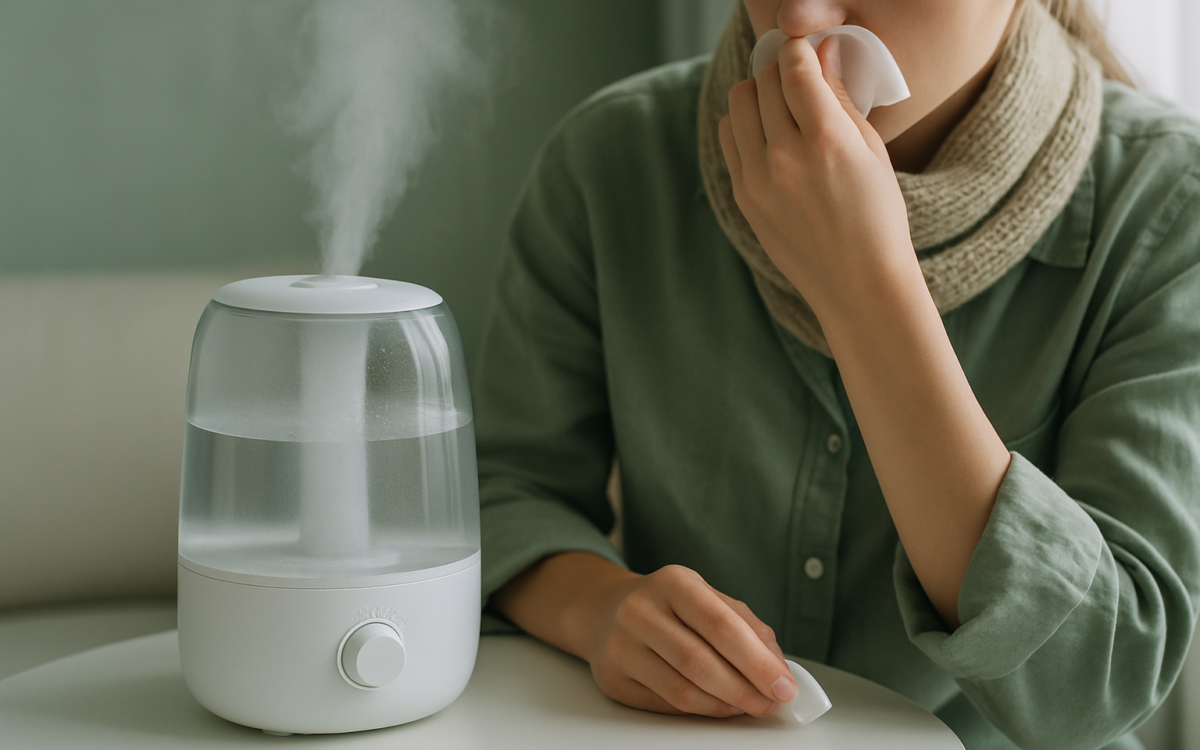
Have you ever woken up in the morning feeling like you have a constant tickle in your throat or a nagging cough? You might be dealing with postnasal drip, a condition that affects many people, especially during certain times of the year. Postnasal drip occurs when excess mucus builds up in the throat or nasal passages, which can lead to discomfort and irritation. While several treatments can help manage this condition, one effective and easily accessible option is using a humidifier.
What is postnasal drip?
Postnasal drip is a common symptom that can arise from various factors, including allergies, sinus infections, colds, and even changes in weather. When you’re well-hydrated, mucus is thin and runs smoothly down the back of your throat. However, when it’s dry outside or in your home, mucus can become thick and sticky, leading to that uncomfortable feeling of congestion.
How can humidifiers help?
Humidifiers increase the moisture in the air, making it easier for mucus to function properly. Here is how they can help alleviate postnasal drip:
- Moisturizes nasal passages: Dry air can irritate the lining of your nasal passages, making them inflamed. A humidifier helps keep these passages moist.
- Thins mucus: Adding humidity to the air can help to thin mucus, making it easier to manage and less likely to cause irritation.
- Soothe throat irritation: If you’re waking up with a scratchy throat or a cough due to postnasal drip, increased moisture in the air can soothe your throat.
Types of humidifiers
There are several types of humidifiers available, each serving its purpose:
- Cool Mist Humidifiers: These devices release a cool, fine mist of water vapor, which can help soothe irritated nasal passages and throat.
- Warm Mist Humidifiers: Warm mist humidifiers boil water to release steam into the air, which can be comforting, especially in colder months.
- Ultrasonic Humidifiers: These use ultrasonic vibrations to produce a fine mist without heat, making them energy-efficient and quiet.
- Evaporative Humidifiers: These rely on a fan to blow air through a wet wick or filter, releasing moisture into the air without making it too humid.
Tips for using a humidifier effectively
To get the most out of your humidifier, follow these handy tips:
- Keep it clean: Regularly clean your humidifier to prevent mold and bacteria growth. Follow the manufacturer’s instructions for cleaning protocols.
- Maintain humidity levels: Aim for a humidity level between 30-50% to avoid over-humidifying your space, which can lead to other problems like mold growth.
- Consider the room size: Choose a humidifier that is appropriate for the size of your room. A small device might not be effective in a large space, while a large unit could over-humidify a small area.
- Use distilled water: If possible, use distilled water in your humidifier. It prevents mineral buildup inside the device and avoids releasing minerals into the air.
Exploring global approaches
While humidifiers can provide relief for many suffering from postnasal drip, treatment options vary globally. For example, in some regions, individuals may consider treatment in Turkey that incorporates both modern and traditional therapies, promoting overall well-being and addressing underlying conditions. Discovering diverse options for managing health can enhance both understanding and efficacy of treatment.
When to see a doctor
If your postnasal drip is persistent, severe, or accompanied by other troubling symptoms, it may be time to consult a healthcare provider. Symptoms to watch for include:
- Fever or persistent headaches
- Shortness of breath or wheezing
- Thick green or yellow mucus that lasts more than a week
- Unexplained weight loss
Your provider can help diagnose the root of your symptoms and suggest appropriate treatments, which may include medications or referrals to specialists.
Conclusion
Using a humidifier can be a simple yet effective strategy for alleviating symptoms related to postnasal drip. Proper humidity levels can enhance comfort and promote better respiratory health. If you experience ongoing symptoms, remember to consult a healthcare professional to explore all available options. Breathe easy and take control of your health today!
