
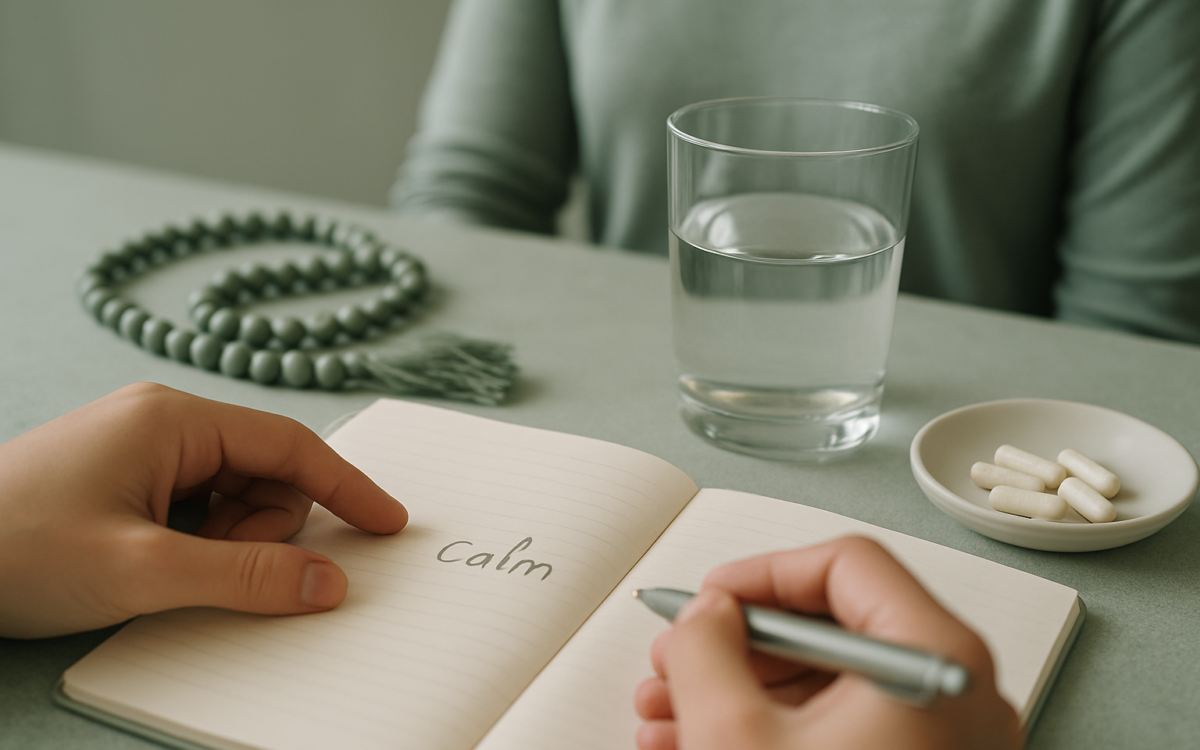
Anxiety can feel overwhelming, like a cloud that never quite lifts. Whether it’s a persistent worry or occasional nerves, understanding how to manage anxiety is essential for a balanced life. Fortunately, there are several effective strategies to help regain control and foster a sense of calm. Here are some practical approaches that can make a significant difference in managing anxiety.
Practice Mindfulness and Meditation
Mindfulness involves being present in the moment and observing thoughts and feelings without judgment. It can help reduce anxiety by shifting your focus away from worries about the future or regrets about the past. Mindfulness exercises, such as deep breathing or guided meditation, can help calm racing thoughts and reduce physical symptoms of anxiety.
Engage in Regular Physical Activity
Exercise is a powerful tool for managing anxiety. Not only does it increase the production of endorphins (the body’s natural mood lifters), but it can also help clear your mind. Aim for at least 30 minutes of moderate exercise most days of the week. Activities like walking, jogging, yoga, or dancing can significantly improve your mood and reduce stress levels.
Establish a Healthy Sleep Routine
Lack of sleep can exacerbate feelings of anxiety, making it crucial to establish a healthy sleep routine. Aim for 7-9 hours of quality sleep each night. Consider developing a bedtime routine that includes calming activities, such as reading or taking a warm bath. Limiting screen time and caffeine intake before bed can also promote deeper, more restorative sleep.
Connect with Others
Building strong relationships can be a powerful buffer against anxiety. Sharing your feelings with friends or family can provide relief and help put things into perspective. Consider joining support groups, whether in-person or online, where you can connect with others facing similar challenges. The National Institutes of Health emphasizes the importance of social support in coping with stress.
Limit Caffeine and Alcohol
Caffeine and alcohol can increase anxiety symptoms for many people. Caffeine is a stimulant that can aggravate feelings of nervousness and restlessness. On the other hand, alcohol may seem to provide temporary relief but can lead to increased anxiety when its effects wear off. If you notice these substances worsen your anxiety, consider reducing or eliminating them from your routine.
Explore Breathing Techniques
Breathing exercises can be effective for managing anxiety in the moment. Techniques like deep breathing can help counteract the fight-or-flight response, which is often triggered during stressful situations. One simple method is the 4-7-8 breathing technique:
1. Inhale deeply through your nose for a count of 4.
2. Hold your breath for a count of 7.
3. Exhale slowly through your mouth for a count of 8.
Repeat this cycle several times to promote relaxation.
When to See a Doctor
If anxiety becomes overwhelming or interferes with your daily life, it may be time to consult a doctor. They can help determine if therapy or medication is appropriate. Don’t hesitate to seek help—taking the first step can lead you toward better mental health.
Managing anxiety takes practice and commitment, but with the right strategies, you can find effective ways to cope. From mindfulness to physical activity, there are many paths to finding your calm amidst the chaos. Remember, it’s okay to seek help and lean on others during your journey.
