
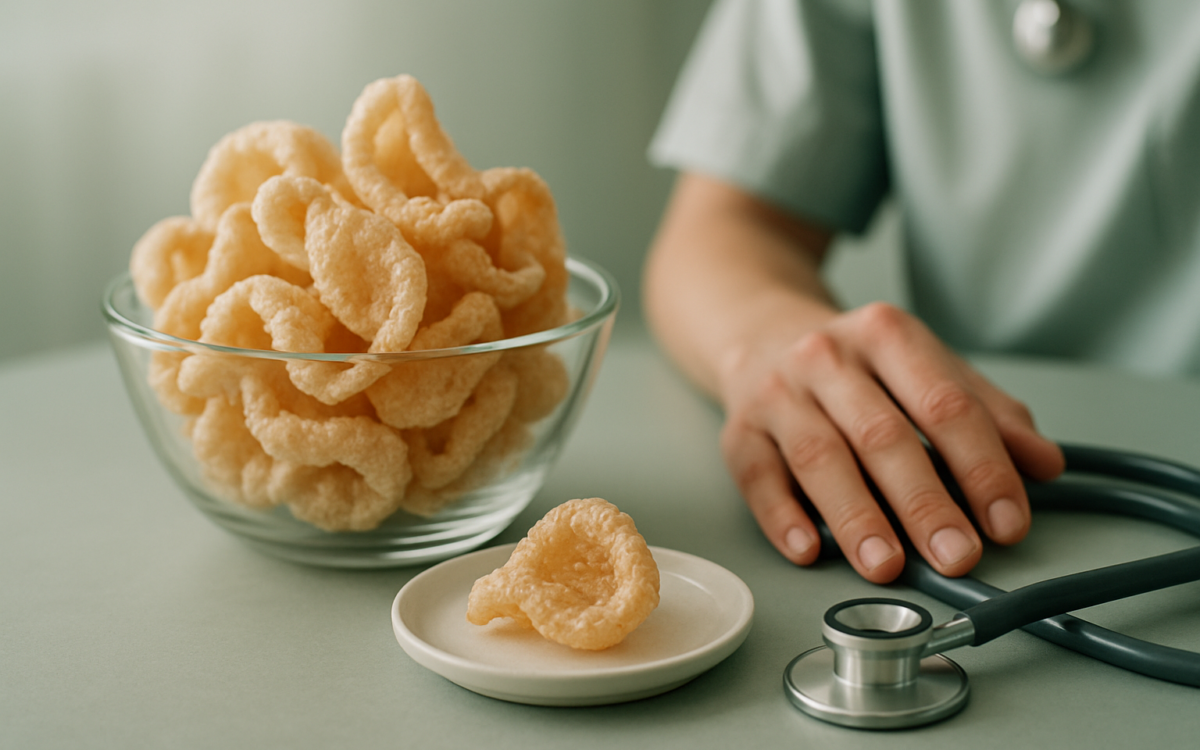
If you’ve ever walked down the snack aisle or visited a Latin American grocery store, you’ve likely come across chicharrones chips. These crispy, crunchy snacks have gained popularity not only for their texture but also for their unique flavor. Made primarily from fried pork skin, chicharrones chips can be a tempting option for those looking for a quick bite. But are they a wise choice for your health? Let’s take a closer look at what chicharrones chips are, their nutritional profile, and how they can fit into your diet.
What Are Chicharrones Chips?
Chicharrones chips, or simply chicharrones, originate from the cuisine of many Latin American and Spanish-speaking cultures. Traditionally, they are made by frying pork skin until it becomes crispy. While the classic version is often served as a side dish or snack, various adaptations exist, including spicy or flavored varieties.
Nutritional Profile of Chicharrones Chips
Understanding the nutritional aspects of chicharrones chips is essential for making informed food choices. Here’s a breakdown of what’s typically found in a serving of chicharrones (about 1 ounce or 28 grams):
- Calories: Approximately 150-200 calories
- Protein: About 8-10 grams
- Fat: 12-15 grams, predominantly saturated fat
- Carbohydrates: 0-1 gram
- Sodium: Up to 300 mg, depending on seasoning
Chicharrones are high in protein and low in carbohydrates, which might appeal to those following a low-carb or ketogenic diet. However, they also contain a significant amount of saturated fat and sodium, which are important to consider if you’re monitoring your heart health.
Health Benefits and Drawbacks
While chicharrones chips do provide some nutritional benefits, they also have potential drawbacks. Let’s explore them:
Benefits
- High in Protein: Chicharrones are a protein-rich snack, which can help keep you feeling full.
- Low in Carbs: With minimal carbohydrates, they might fit well into a low-carb or keto eating plan.
Drawbacks
- High in Saturated Fat: Regular consumption of saturated fat can raise cholesterol levels, increasing the risk of heart disease.
- Sodium Content: Elevated sodium intake is linked to higher blood pressure, and many chicharrones are heavily seasoned.
How to Enjoy Chicharrones Chips Responsibly
If you find yourself craving chicharrones chips, here are some ways to enjoy them without overindulging:
- Portion Control: Stick to small servings to keep calorie and fat intake in check.
- Pair with Healthy Dips: Serve them with guacamole, salsa, or avocado for added nutrients.
- Balance Your Meals: If you have chicharrones as a snack, make sure to balance your diet with fruits, vegetables, and whole grains throughout the day.
Alternatives to Chicharrones Chips
If you’re looking for a healthier alternative to chicharrones chips, consider these snacks:
- Vegetable Chips: Made from kale, beet, or sweet potato, these can offer crunch with added vitamins.
- Nuts: Almonds or walnuts provide healthy fats and protein without the saturated fat strain.
- Popcorn: Air-popped popcorn can be a low-calorie snack option that still gives you that satisfying crunch.
When to See a Doctor
While enjoying chicharrones chips occasionally is likely fine for most people, it’s important to consult your doctor if you notice any of the following:
- Uncontrolled high blood pressure
- Heart disease or high cholesterol levels
- Concern about weight gain or dietary choices
Conclusion
Chicharrones chips can be a delicious treat when enjoyed in moderation. While they provide protein and crunch, it’s crucial to remain mindful of their high saturated fat and sodium content. By prioritizing portion control and balancing your diet with healthier choices, you can satisfy your cravings without compromising your health. As with any snack, listening to your body and adjusting your diet accordingly can lead to better wellness.
