
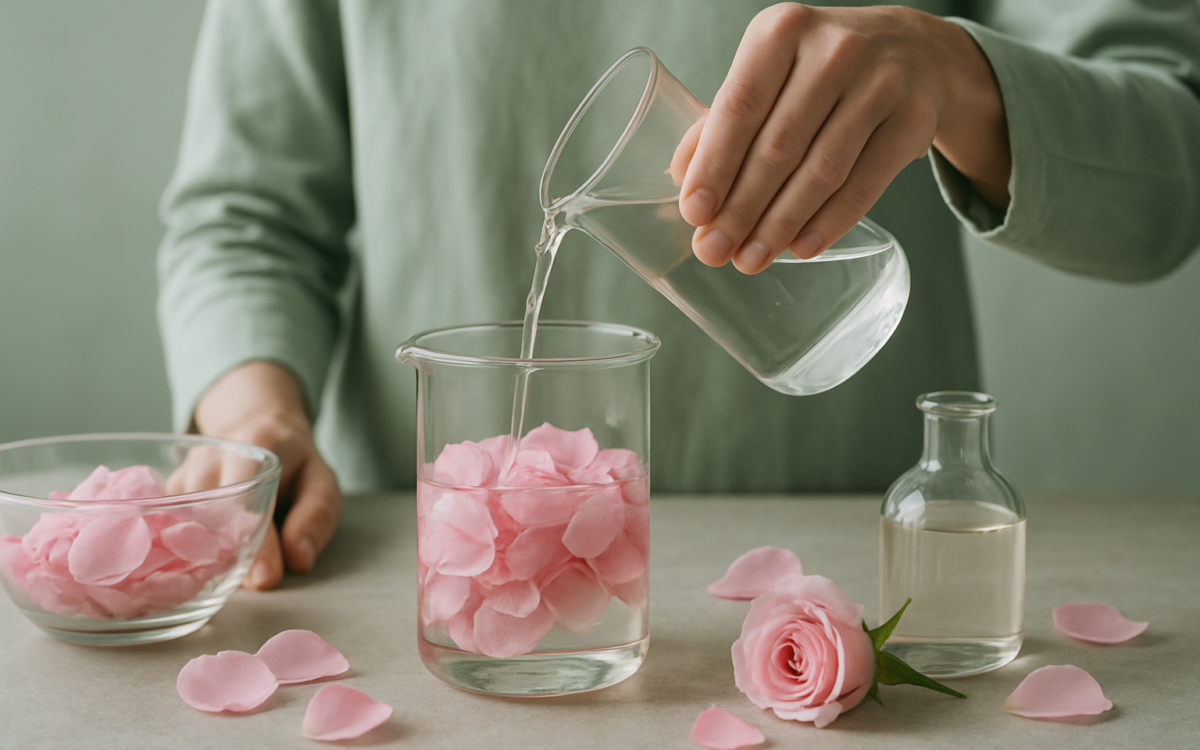
Rose water has been cherished for centuries for its lovely fragrance and numerous benefits. It’s not just a delightful addition to your beauty routine; it also boasts anti-inflammatory and antibacterial properties. Whether you want to incorporate it into your skincare regimen or use it in culinary dishes, making your own rose water is surprisingly simple. In this guide, we will walk you through two easy methods to make rose water at home.
Understanding Rose Water
Before diving into the creation process, let’s explore what rose water is and why it’s so popular. Rose water is a flavored water made by steeping rose petals in water or distilling rose petals with steam. The result is a fragrant liquid that has been used in various cultures for beauty, cooking, and even medicine.
Benefits of Using Rose Water
There are many reasons to incorporate rose water into your daily life:
- Hydrating: Rose water is excellent for moisturizing the skin, making it perfect for all skin types.
- Soothing: Its anti-inflammatory properties can help calm irritated skin.
- Refreshing: It can be used as a toner or setting spray for makeup.
- Flavorful: In culinary uses, rose water can enhance desserts and beverages.
Method 1: Simmering Method
One of the most straightforward ways to make rose water is by simmering. Here’s how:
Ingredients Needed:
- 1 cup of fresh rose petals (preferably organic)
- 2 cups of distilled water
Instructions:
- Start by rinsing the rose petals under cold water to remove any dirt or impurities.
- In a medium pot, add the rose petals and distilled water.
- Bring the mixture to a gentle simmer over low heat.
- Cover the pot with a lid, leaving it slightly ajar to allow steam to escape and to prevent overflow.
- Simmer for about 20-30 minutes. You’ll notice the petals lose their color, and the water will take on a pink tint.
- Once done, remove the pot from heat and let it cool.
- Strain the liquid through a fine mesh strainer or cheesecloth into a clean glass bottle.
- Store your rose water in a cool place or refrigerate for up to 2 weeks.
Method 2: Steam Distillation Method
If you’re looking for a more traditional approach, steam distillation is the way to go. It may require more equipment but achieves a purer product.
Ingredients Needed:
- 1.5 cups of fresh rose petals
- 2 cups of distilled water
- Large pot with a lid
- Heatproof bowl
- Ice
Instructions:
- Place the heatproof bowl upside down in the center of the large pot.
- Add the rose petals and then pour in the distilled water. Ensure the petals are submerged in the water.
- Cover the pot with the lid, inverting it so that it creates a seal.
- Add ice on top of the inverted lid to facilitate condensation.
- Heat the pot on low. As the water heats up, steam will rise, hit the lid, and condense into the bowl.
- Once condensation occurs for about 30-45 minutes, carefully remove the bowl, which will contain your rose water.
- Allow it to cool, then transfer your rose water into a glass bottle.
This method may yield a more concentrated rose water, rich in aromatic compounds.
Using Rose Water
Now that you’ve made your rose water, how can you use it effectively? Here are some practical uses:
- Facial Mist: Fill a small spray bottle with rose water and spritz it on your face for a refreshing boost throughout the day.
- Cleanser: Use rose water as a base for natural facial cleansers and masks.
- Cooking: Add a few drops of rose water to desserts like rice pudding or fruit salads for a fragrant finish.
- In spas or wellness treatments: Rose water is often included in treatments for its soothing properties, making it popular in international wellness centers such as Acibadem International.
Storing Your Rose Water
For best results, store your rose water in a dark glass bottle to protect it from sunlight. Keeping it refrigerated can prolong its freshness for up to two weeks. If you notice any change in color or smell, it’s best to discard it.
When to See a Doctor
While rose water is generally safe for most people, if you experience any irritation, redness, or allergic reaction upon using it, consult your healthcare provider. It’s also wise to talk to a doctor if you are looking for treatments related to skin conditions.
Conclusion
Making rose water at home can be a rewarding experience that enhances both your beauty routine and your culinary creations. With just a few simple ingredients and methods, you can enjoy the sweet fragrance and soothing properties of this delightful liquid. Whether you choose the simmering or distillation method, you’ll find that homemade rose water is not just lovely to look at; it’s also a versatile addition to your wellness toolkit.
