
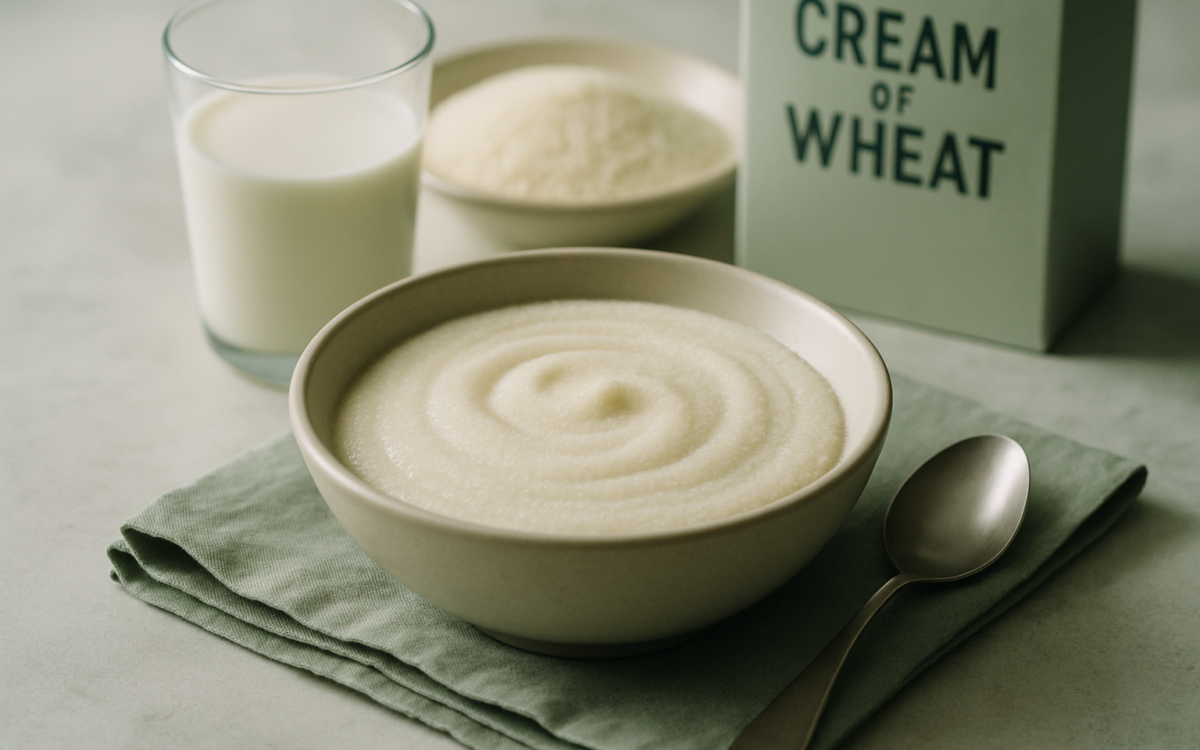
Cream of Wheat is a popular breakfast choice for many people, offering a warm, comforting bowl of porridge made from refined wheat. But is Cream of Wheat truly a healthy option? Let’s dig deeper into its nutritional aspects, potential health benefits, and any considerations you should keep in mind.
Nutritional Profile of Cream of Wheat
Cream of Wheat is primarily made from ground wheat kernels, producing a fine, easily digestible flour. A typical serving (about 1 cup cooked) contains approximately:
- 150 calories
- 1 gram of fat
- 30 grams of carbohydrates
- 1 gram of fiber
- 4 grams of protein
- Vitamins and minerals, including iron and B vitamins
While Cream of Wheat is low in fat and offers a modest amount of protein, it is important to note that it is primarily a source of carbohydrates. Unlike whole grain cereals, it is lower in fiber, which plays a crucial role in digestive health.
Health Benefits of Cream of Wheat
Cream of Wheat is not just a comforting breakfast; it has several potential health benefits:
1. Source of Iron
Iron is essential for producing hemoglobin, which carries oxygen in the blood. Many brands of Cream of Wheat are fortified with iron, making it an excellent choice for individuals who might be at risk for iron deficiency, such as pregnant women and vegetarians. According to the NIH, adequate iron intake is vital for maintaining energy levels and overall health.
2. Maintaining Digestive Health
While Cream of Wheat is lower in fiber compared to whole grains, it is still a gentle option for those who may have digestive issues. It can help soothe the gastrointestinal tract, making it a popular food when recovering from stomach ailments. However, it is advisable to balance it with higher fiber foods for proper digestive health.
3. Quick and Convenient
In our fast-paced lives, convenience plays a big role in dietary choices. Cream of Wheat cooks quickly, making it an easy choice for breakfast. It can be prepared in minutes, providing a warm meal to start your day with nourishment.
Considerations for Cream of Wheat Consumption
While there are numerous benefits, there are also considerations when including Cream of Wheat in your diet:
1. Low Fiber Content
The refined nature of Cream of Wheat means it has lower fiber content than whole grain options. According to the CDC, dietary fiber is essential for maintaining healthy digestion and can help regulate blood sugar levels. Consider adding fruits, nuts, or seeds to your bowl to enhance fiber intake.
2. Glycemic Index Considerations
Cream of Wheat has a moderate glycemic index, meaning it can cause a rapid increase in blood sugar levels if consumed on its own. For individuals with diabetes or those monitoring their blood sugar, pairing Cream of Wheat with protein or healthy fats, such as nut butter or yogurt, may help stabilize blood sugar levels.
3. Nutrient-Rich Toppings
To make your bowl of Cream of Wheat more nutritious, consider adding toppings rich in vitamins, minerals, and fiber. Fresh fruits, dried fruits, nuts, or seeds can transform your meal into a well-rounded option, supporting overall health.
Creative Ways to Enjoy Cream of Wheat
Cream of Wheat is versatile, and there are various ways to get creative with this simple dish:
- Sweet Treat: Add a dash of cinnamon, a drizzle of honey or maple syrup, and fresh berries for a delightful breakfast.
- Savory Bowl: Stir in sautéed vegetables and a poached egg for a savory twist.
- Make it a Smoothie Bowl: Blend Cream of Wheat with your favorite fruits and top with granola for a smoothie bowl.
Experimenting with different ingredients can help you find combinations that suit your taste while boosting your meal’s nutritional value!
When to See a Doctor
If you have dietary concerns, such as celiac disease, gluten intolerance, or specific nutritional deficiencies, it is essential to consult a healthcare provider. They can provide tailored advice and help you incorporate Cream of Wheat or alternative grains into your diet safely.
Conclusion
Cream of Wheat can be a healthy breakfast option, especially when enhanced with nutritious toppings and paired with other foods. While it may not be the ideal choice for everyone, it does offer some health benefits such as being a quick source of energy and iron. Ultimately, balance is key. Incorporating a variety of foods in your diet will help ensure you receive a range of nutrients necessary for optimal health.
