
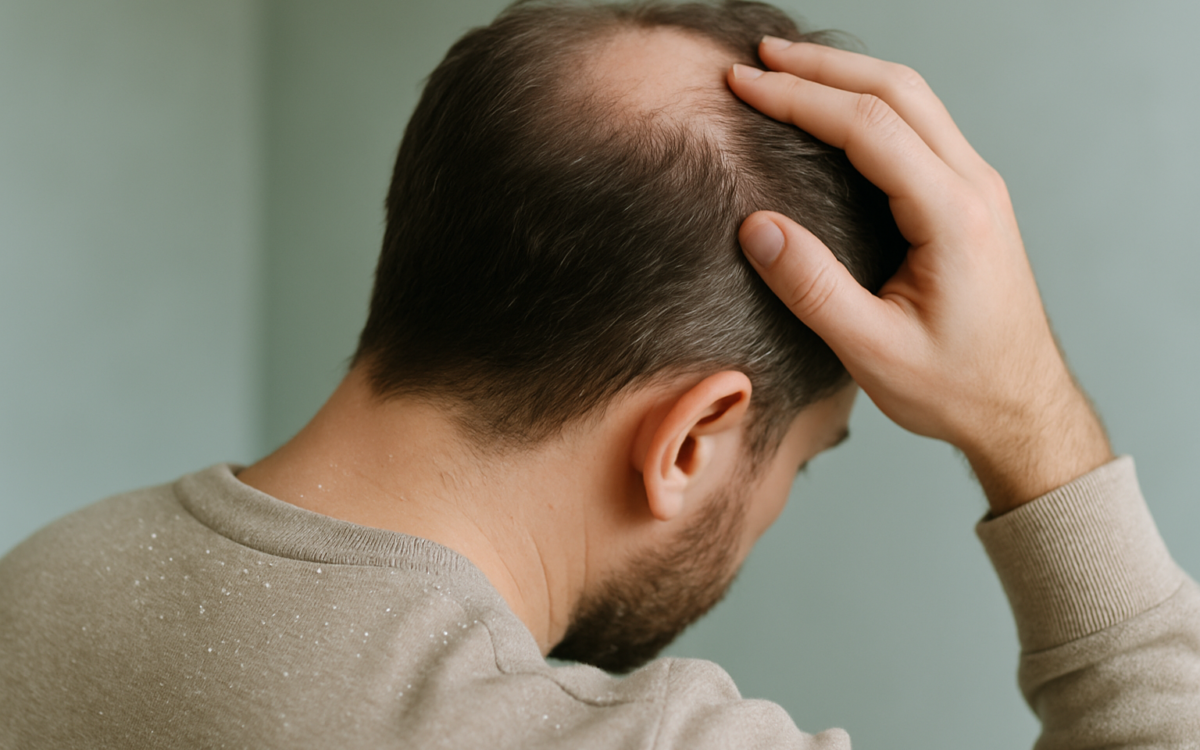
Dandruff is a common scalp condition characterized by flaking skin and itchiness. While many people experience it, there is often confusion about whether dandruff can actually lead to hair loss. Understanding how these two conditions might be connected can help you take better care of your scalp and hair health.
What is dandruff?
Dandruff is primarily caused by an overgrowth of a yeast-like fungus called Malassezia, which is naturally found on the scalp. When this fungus grows excessively, it can irritate the scalp, leading to increased skin cell turnover. As these cells die and shed, they turn into the white or yellow flakes commonly associated with dandruff.
Some factors that might exacerbate dandruff include:
- Oily skin
- Stress
- Certain medical conditions such as psoriasis or eczema
- Dry air, especially in winter months
The relationship between dandruff and hair loss
When it comes to hair loss, the connection to dandruff is not straightforward. Dandruff itself does not cause hair loss in most people. However, the irritation and inflammation caused by severe dandruff can potentially lead to hair loss over time.
Here’s how this might happen:
- Inflammation: A severe case of dandruff can result in an inflamed or irritated scalp. This inflammation may disrupt the natural hair growth cycle, potentially causing hair to thin.
- Scratching: The itchiness associated with dandruff often leads people to scratch their scalp. Frequent scratching can damage hair follicles, contributing to hair loss.
- Underlying conditions: Conditions that cause dandruff, like seborrheic dermatitis, sometimes coexist with other scalp issues that can cause hair loss.
Types of hair loss related to scalp health
Understanding the types of hair loss related to scalp health can help clarify the impact of dandruff:
Alopecia Areata
Alopecia areata is an autoimmune condition that can cause sudden hair loss. While it’s not directly caused by dandruff, the stress and inflammation related to skin conditions could potentially trigger flare-ups in individuals predisposed to hair loss conditions.
Telogen Effluvium
Telogen effluvium is a temporary form of hair loss that occurs due to stressors affecting hair follicles. Significant stress caused by an itchy, flaky scalp can be a contributing factor.
Cicatricial Alopecia
Cicatricial alopecia refers to a group of conditions that result in permanent hair loss due to scarring of hair follicles. Severe inflammation from chronic dandruff can be a factor in certain cases.
Managing dandruff to protect your hair
Even though dandruff may not be the leading cause of hair loss, managing it effectively is key to maintaining a healthy scalp:
- Medicated shampoos: There are various over-the-counter shampoos specifically designed to combat dandruff. Look for ingredients like zinc pyrithione, ketoconazole, or coal tar.
- A proper routine: Regular washing with a gentle shampoo can help to keep the scalp healthy. Try to wash your hair at least twice a week.
- Moisturizing: If your scalp is dry, consider using a conditioner or oil designed for the scalp. Keeping the scalp moisturized can reduce dryness and flaking.
- Diet and lifestyle: Eating a balanced diet rich in vitamins and minerals can support scalp health. Additionally, managing stress through relaxation techniques can be beneficial.
When to see a doctor
If you notice persistent dandruff that doesn’t improve with over-the-counter treatments, or if you’re experiencing significant hair loss, it’s a good idea to consult a healthcare provider. They can help determine if there’s an underlying condition that needs to be addressed. Additionally, if your scalp is severely inflamed, painful, or bleeding, seeking medical advice is important. For more information on scalp health, you can visit the Mayo Clinic or the National Institutes of Health.
Conclusion
In conclusion, while dandruff itself is not a direct cause of hair loss, its underlying causes and related conditions can contribute to scalp issues that may affect hair health. By managing dandruff effectively and being aware of scalp health, you can help protect your hair from unnecessary thinning and support overall hair growth. If you have concerns about dandruff and hair loss, don’t hesitate to reach out to a healthcare professional for guidance.
