
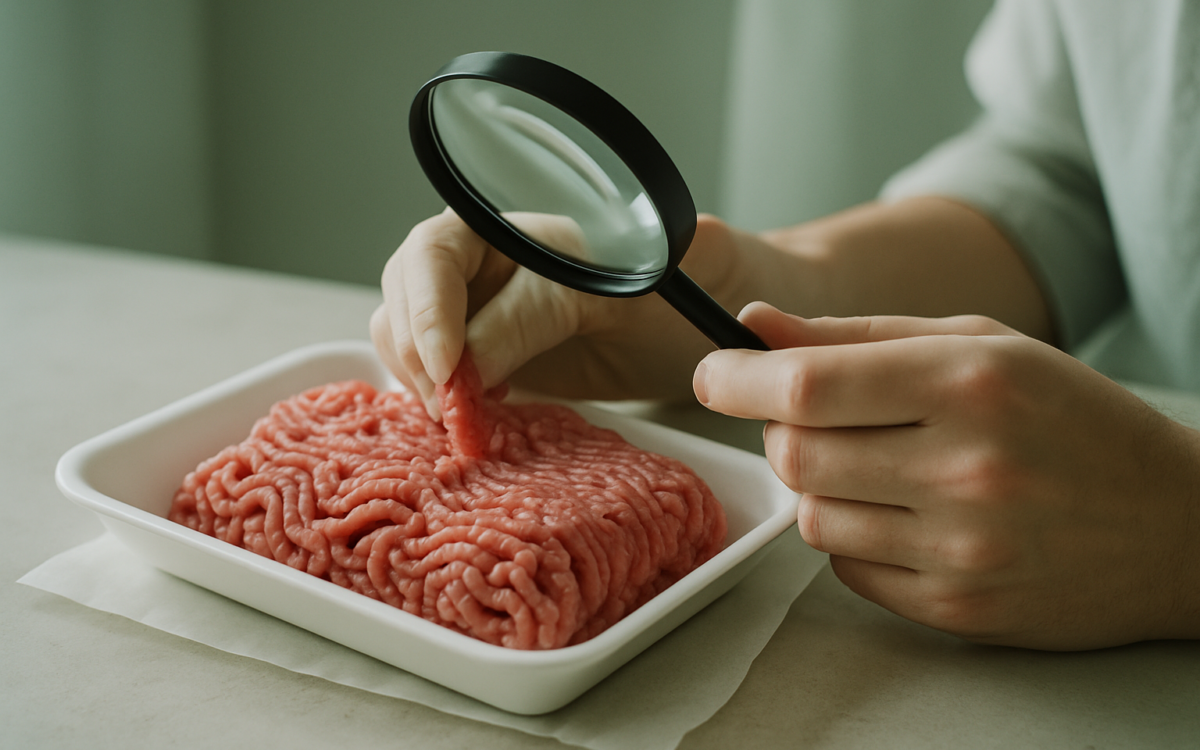
Ground beef is a staple in many households, known for its versatility and flavor. However, if not handled or stored properly, it can spoil quickly. Knowing how to tell if ground beef is bad is essential for both your health and your culinary success. This guide will help you identify the signs of spoilage and understand safe handling practices.
Understanding spoilage: Why it happens
To combat spoilage, it’s crucial to understand what causes ground beef to go bad. Bacteria, such as Escherichia coli and Salmonella, thrive in meat products, especially if they are left at temperatures that promote growth. Factors like temperature, time, and exposure to air contribute to the degradation of meat. According to the CDC, ground beef must be cooked to a safe internal temperature of 160°F to kill harmful bacteria.
Signs that ground beef has gone bad
People often worry about food safety, especially when it comes to meat. Here are the most common signs that indicate ground beef might be spoiled:
- Color changes: Fresh ground beef is a bright red color on the outside and a little darker on the inside. If the meat turns brown or grey, it may still be safe, but if there is a green hue or unusual discoloration, it’s best to discard it.
- Texture changes: Fresh ground beef should be firm and slightly moist. If it feels slimy or sticky, it’s a clear sign that bacteria have started to multiply and the meat is spoiled.
- Smell: Fresh ground beef has a mild, meaty smell. A sour or off-putting odor is a strong indication that the meat has spoiled and should not be consumed.
- Expiration dates: Always check the “sell by” or “use by” dates on the packaging. However, don’t rely solely on them; these dates indicate when the quality is best, not when the meat is guaranteed to be safe.
Storage tips to extend shelf life
Proper storage of ground beef is key to reducing the risk of spoilage. Here are some tips to keep in mind:
- Refrigeration: Store ground beef in the refrigerator at or below 40°F (4°C). Use it within 1 to 2 days after purchase if kept in its original packaging.
- Freezing: To extend its shelf life, ground beef can be frozen. Wrap it tightly in plastic wrap or aluminum foil and place it in a freezer-safe container. When stored properly, it can last up to four months in the freezer.
- Thawing: Always thaw frozen ground beef in the refrigerator, not at room temperature. This helps prevent bacterial growth.
- Cook promptly: If you’ve thawed ground beef, aim to use it within 1 to 2 days for the best quality and safety.
The importance of cooking ground beef properly
Cooking ground beef to the appropriate temperature is vital for food safety. Use a meat thermometer to ensure the meat reaches an internal temperature of 160°F (71°C). This temperature is high enough to kill harmful bacteria that could cause foodborne illness. According to the Mayo Clinic, proper cooking reduces the risk of diseases such as E. coli and Salmonella.
What to do if you suspect spoilage
If you suspect that your ground beef has spoiled, it’s crucial not to take any chances. Here’s what you should do:
- Do not taste it: Eating spoiled ground beef can lead to serious intestinal infections.
- Dispose of it safely: Seal the spoiled meat in a plastic bag before throwing it away to avoid contaminating other foods or surfaces.
- Clean thoroughly: After disposing of spoiled meat, clean countertops and utensils that came into contact with the raw beef using hot, soapy water.
When to see a doctor
If you consume spoiled ground beef and experience symptoms such as nausea, vomiting, diarrhea, stomach cramps, or fever, it’s important to seek medical attention. Some foodborne illnesses can lead to severe complications, especially for vulnerable populations such as young children, the elderly, and those with weakened immune systems. For more information on foodborne illnesses, you can visit the World Health Organization.
Staying vigilant about food safety is essential for enjoying ground beef and other meat products. By properly assessing its freshness and following safe storage practices, you can minimize your risk of foodborne illness and keep your meals both delicious and safe.
