
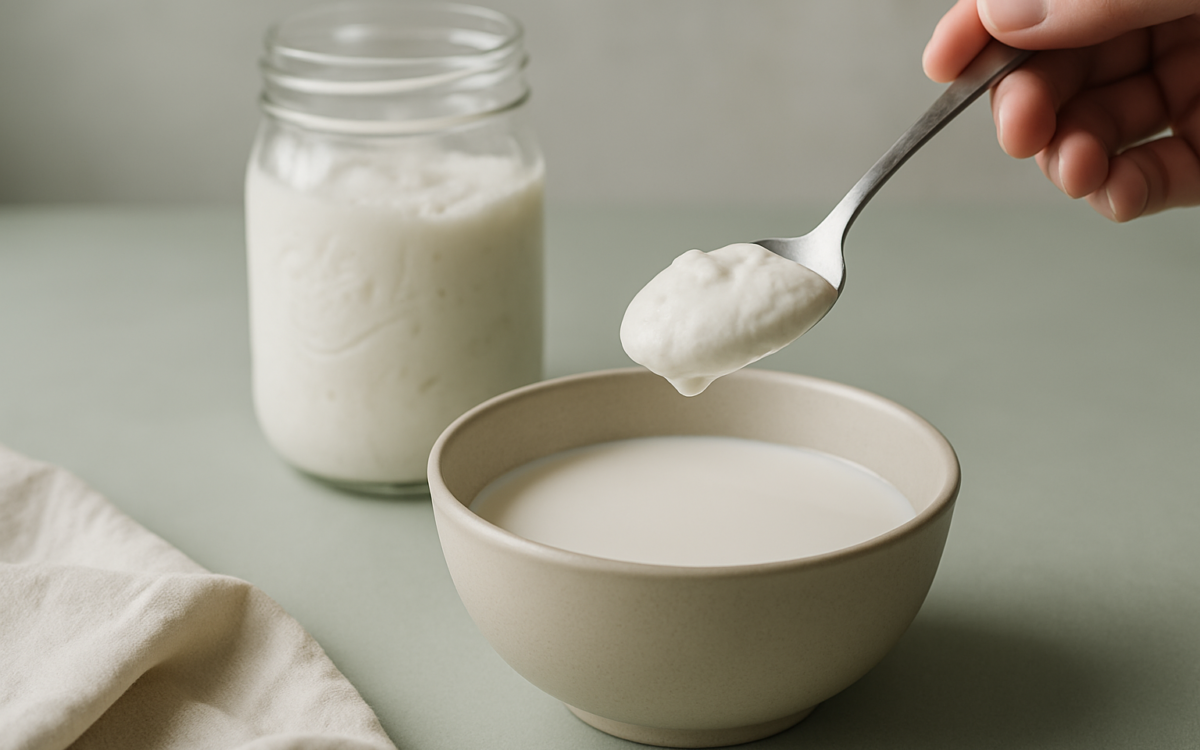
Heavy cream is a beloved ingredient in many kitchens, known for its rich flavor and creamy texture. But what if you find yourself without it or are looking to lighten up your recipes? Whether due to dietary restrictions, health concerns, or simply running out during meal prep, there are plenty of alternatives that can keep your dishes delicious without sacrificing flavor. Here’s a breakdown of several substitutes for heavy cream that can enhance your cooking.
Understanding Heavy Cream
Before diving into the alternatives, it’s essential to understand what heavy cream is. Heavy cream, also known as heavy whipping cream, contains about 36-40% fat. This high-fat content allows it to whip well and adds a luxurious texture to sauces, soups, and desserts. The rich flavor and creamy mouthfeel can often be replicated with various substitutes, whether you prefer dairy options or plant-based solutions.
1. Milk and Butter Combination
If you’re looking for a quick substitute and have both milk and butter on hand, you’ve got a simple solution. Combining these two ingredients can mimic the richness of heavy cream.
- How to make it: For every 1 cup of heavy cream needed, mix 1/4 cup of melted butter with 3/4 cup of milk (whole, 2%, or skim). This mix will be thicker than milk and can often work well in recipes that don’t require whipping.
2. Whole Milk and Cornstarch
Another alternative is whole milk thickened with cornstarch. This method can help achieve a creamier consistency without the additional fat.
- How to make it: To replace 1 cup of heavy cream, blend 1 cup of whole milk with 2 tablespoons of cornstarch. Heat the mixture slightly to help it thicken, stirring until smooth.
3. Coconut Cream for a Dairy-Free Option
Coconut cream is an excellent option for those avoiding dairy. It has a similar consistency to heavy cream and adds a subtle sweetness. Just keep in mind that it may alter the flavor of your dish slightly.
- How to use it: You can use coconut cream in equal amounts as a one-to-one substitute for heavy cream. To solidify the cream, refrigerate a can of full-fat coconut milk overnight and scoop out the solidified cream from the top.
4. Silken Tofu Blended with Soy Milk
If you’re looking for a plant-based alternative that’s also high in protein, blending silken tofu with a bit of soy milk can create a silky smooth substitute for heavy cream.
- How to make it: Blend 1/4 cup of silken tofu with 3/4 cup of soy milk until smooth. This mixture works best for blending into soups or sauces, adding a nutritious creaminess without dairy.
5. Greek Yogurt for a Tangy Kick
Greek yogurt is another great substitute, especially for recipes that appreciate a creamy texture with a bit of tang. It can add a delightful richness to your dishes.
- How to use it: To use Greek yogurt as a substitute, replace 1 cup of heavy cream with 3/4 cup of Greek yogurt and 1/4 cup of milk for a smoother consistency.
6. Nut Milk with a Thickener
If you’re avoiding both dairy and soy, almond or cashew milk combined with a thickening agent can serve as another viable alternative.
- How to make it: Mix 1 cup of nut milk with 2 tablespoons of flour or cornstarch. Heat gently to incorporate the thickener, and use it as you would heavy cream.
Cooking Tips When Using Substitutes
When substituting heavy cream in recipes, consider the following tips:
- Check the consistency: Depending on the dish, some substitutes may require adjustments in the recipe (e.g., adding less liquid).
- Taste as you go: Substitutes can change the overall flavor profile, so taste and adjust seasoning as needed.
- Think about cooking methods: Not all substitutes work well in high-heat situations. Some, like yogurt or tofu, may curdle if boiled.
When to See a Doctor
If you have dietary restrictions or food allergies, it’s advisable to consult a healthcare professional to ensure your substitute choices are safe and suitable for your needs. For example, many substitutes can contain allergens or irritants for specific individuals.
Conclusion
Whether you’re looking to reduce fat intake, are lactose intolerant, or simply ran out of heavy cream, many alternatives can work harmoniously in your recipes. Experimenting with substitutes can help you discover new flavors and textures in your cooking, ensuring that your dishes remain delightful without heavy cream. Each substitute offers its unique characteristics, so consider the flavors and textures that will best suit your specific recipe. Happy cooking!
