
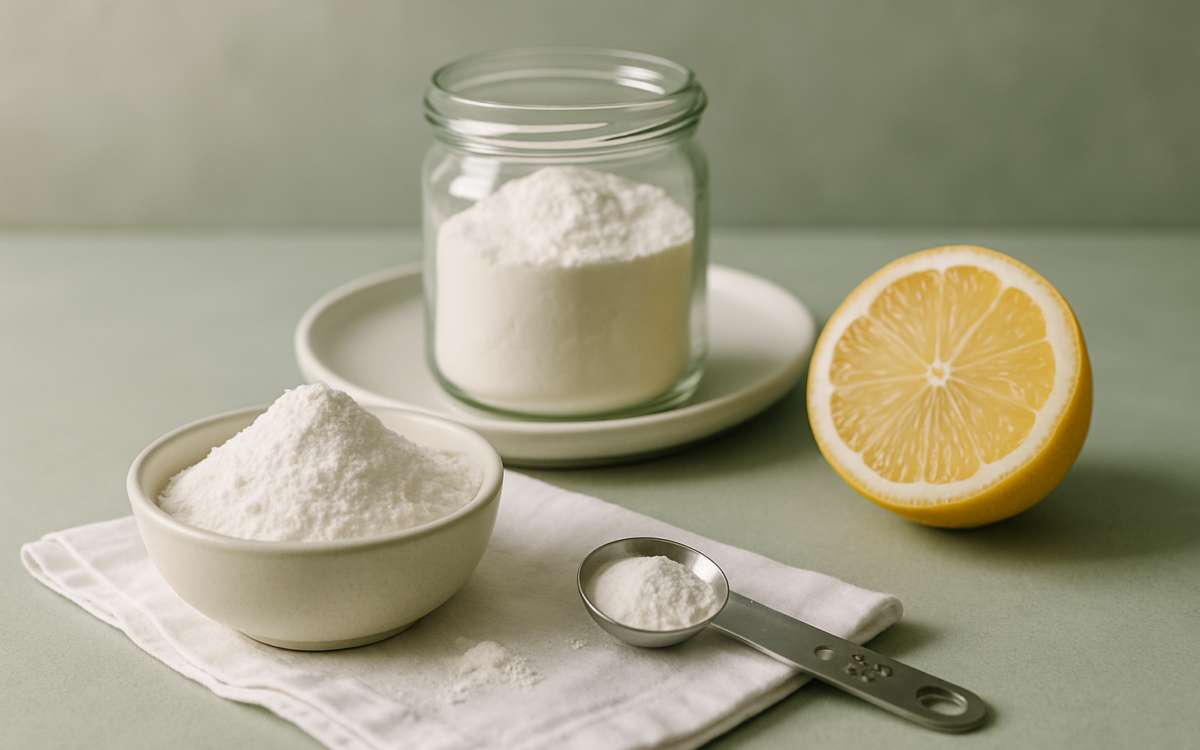
Cream of tartar is a frequently used ingredient in many kitchens, especially in baking. Although it plays a crucial role in recipes, sometimes you may find yourself without it. Fortunately, there are various alternatives you can use that can achieve similar results. Understanding these substitutes will not only save your recipe but also enhance your culinary skills.
What is cream of tartar?
Cream of tartar, or potassium bitartrate, is an acidic byproduct of winemaking. This white powder may not seem significant, but it serves multiple purposes in cooking. It helps stabilize whipped egg whites, prevents sugar from crystallizing in candy recipes, and adds acidity to recipes like Buttermilk Pancakes or Snickerdoodles.
Common uses of cream of tartar
Before exploring alternatives, it is important to understand where cream of tartar shines:
- Stabilizing egg whites: Whenever you’re making meringues or soufflés, cream of tartar can lock in structure, preventing collapsing.
- Preventing sugar crystallization: In candy-making, it keeps syrups smooth and helps achieve the perfect texture.
- Acidic balance: It can add a slight tanginess to baked goods and act as a leavening agent when combined with baking soda.
Top alternatives to cream of tartar
1. Lemon juice
Lemon juice is a fantastic substitute for cream of tartar. Its acidity mirrors that of cream of tartar, making it a suitable candidate for recipes needing structural stabilization, such as meringues. Use 1/2 teaspoon of fresh lemon juice for every 1/2 teaspoon of cream of tartar needed.
2. White vinegar
Like lemon juice, white vinegar offers acidity that can substitute cream of tartar effectively. When baking, you can use 1 teaspoon of vinegar to replace 1/2 teaspoon of cream of tartar. Keep in mind the flavor profile should mesh well with your dish.
3. Baking powder
Baking powder combines both an acid and a base, which makes it a versatile alternative. If you’re using baking powder as a substitute for cream of tartar, simply increase the amount slightly. For every 1/2 teaspoon of cream of tartar, you can use 1 teaspoon of baking powder. This option is particularly helpful in recipes where cream of tartar functions as a leavening agent.
4. Baking soda and vinegar
Another effective alternative is to pair baking soda with an acidic component like vinegar or lemon juice. For example, combine 1/2 teaspoon of baking soda with 1 teaspoon of vinegar or lemon juice. This mix produces the same acidic effect that cream of tartar would, making it a great choice for cookies or cakes.
5. Yogurt or sour cream
If your recipe allows for a wetter consistency, consider using yogurt or sour cream. They possess acidity similar to cream of tartar and can stabilize mixtures. Use an equal amount in a recipe that calls for cream of tartar, adjusting other liquids accordingly.
When to use these substitutes?
Choosing the right substitute for cream of tartar depends largely on the recipe in question:
- If you’re making meringues or whipped egg whites, opt for lemon juice or vinegar.
- If candy-making is in your plans, lemon juice or white vinegar will work best.
- For baked goods, baking powder or the combination of baking soda and vinegar can be effective.
Potential challenges with substitutes
While all these alternatives serve functional purposes, they can have varying effects on the final product’s flavor and texture:
- Lemon juice and vinegar might introduce a tang that could alter the intended taste.
- Baking soda can react differently than cream of tartar, potentially causing baked goods to rise too rapidly.
- Yogurt or sour cream may alter the moisture level, resulting in a denser output than intended.
Adjusting your expectations or experimenting will often let you overcome these potential challenges.
Conclusion
Whether you are scrambling to prepare a recipe without cream of tartar or simply looking to explore alternatives, numerous options can do the trick. Lemon juice, vinegar, baking powder, and even yogurt can come to your aid when the pantry looks bare. Understanding these substitutes fosters a sense of creativity in the kitchen, making your culinary endeavors more enjoyable. Always remember that while substitutes can offer great results, tasting and adjusting your recipe as you go will make the most significant difference.
When to see a doctor
If you experience unexpected allergic reactions to food alternatives or have underlying health conditions that affect your diet, consult your healthcare provider. They can guide you through dietary modifications and address induced symptoms effectively. For more information on food allergies, visit the CDC’s official page.
