
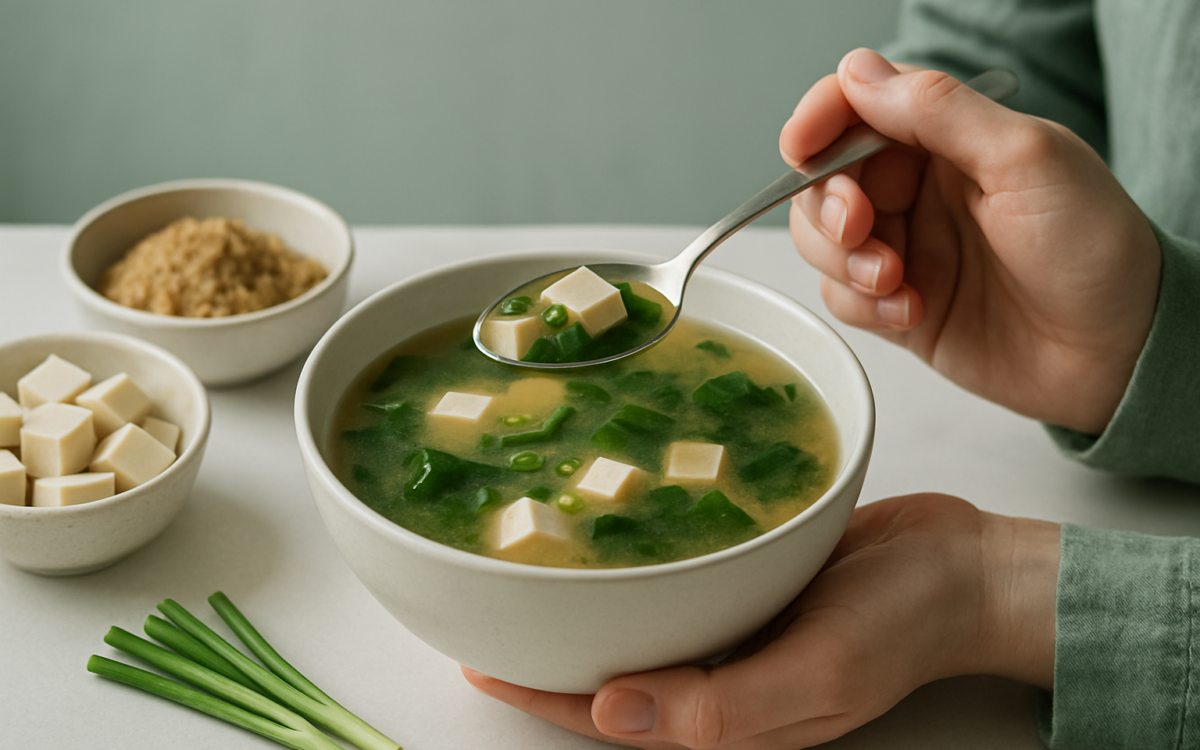
Miso soup is a staple in Japanese cuisine, loved for its savory flavor and comforting warmth. But there’s more to this simple bowl than just its taste. Miso soup is a tiny yet powerful package full of nutritional benefits that might surprise you. This article explores the numerous advantages of incorporating miso soup into your diet and how it can contribute to your overall health.
What is Miso?
Miso is a fermented soybean paste, which is the main ingredient in miso soup. It comes in various types, primarily red, white, and yellow, each with a unique taste profile. The fermentation process is key to miso’s health benefits. While miso is often identified as a seasoning, it has been recognized for centuries as a superfood due to its rich nutritional value. This fermented paste not only adds a delicious umami flavor to dishes but also brings with it a range of health benefits.
Nutritional Profile of Miso Soup
Miso soup is not just about miso paste. It’s typically made by mixing miso with dashi, a type of broth often made from fish or kelp. Together, these ingredients provide an impressive range of nutrients, including:
- Protein: Miso is a good source of plant-based protein, which is essential for building and repairing tissues in our bodies.
- Vitamins and Minerals: Miso contains vitamins B, E, and K, along with essential minerals such as zinc, copper, and manganese.
- Probiotics: Being a fermented food, miso is rich in probiotics, the “good” bacteria that support gut health.
- Antioxidants: Miso has antioxidant properties, which can help combat oxidative stress in the body.
Probiotics and Gut Health
The probiotics found in miso soup play a crucial role in maintaining a healthy gut. A balanced gut microbiome can improve digestion, enhance immune function, and even support your mental health. Research indicates that a diverse gut microbiota is linked to lower risks of gastrointestinal diseases and may improve overall health. Regular consumption of probiotic-rich foods like miso soup can help cultivate a thriving environment for beneficial gut bacteria. For those who may be interested in more extensive treatment options regarding gut health, websites like acibademinternational.com can provide additional resources.
Potential Heart Health Benefits
Emerging research suggests that miso soup may be beneficial for heart health. Miso is low in calories and fat while being rich in nutrients. It contains unsaturated fats, which are considered healthy fats that can help lower cholesterol levels. Some studies have even indicated that regular consumption of miso soup may help reduce the risk of cardiovascular diseases. However, it’s essential to be mindful of the sodium content in miso, especially if you are managing hypertension or other health conditions.
Boosting Immunity with Miso Soup
Miso soup is often consumed when people feel under the weather, and there’s some science behind this. The fermentation process of miso creates beneficial compounds that may help strengthen the immune system. Probiotics, along with vitamins and minerals found in miso, can enhance your body’s immune response, making it more resilient against infections. A healthy gut leads to better immune function, contributing to overall well-being.
Integrating Miso Soup into Your Diet
Incorporating miso soup into your diet is easy! You can enjoy it as a warm beverage, a starter before meals, or even as a base for other dishes. Here are some tips for making miso soup at home:
- Start with high-quality miso paste for the best flavor.
- Experiment with different broths for a unique taste—kombu (kelp), shiitake mushrooms, and even fish stock are excellent options.
- Add a variety of toppings like tofu, seaweed, green onions, and vegetables for additional nutrients and textures.
- Keep portions reasonable to limit sodium intake, especially if you’re watching your salt consumption.
When to See a Doctor
While miso soup has various health benefits, it’s vital to consult your healthcare provider if you have dietary restrictions, especially concerning sodium intake or soy allergies. If you experience discomfort or adverse reactions after consuming miso soup, seek medical advice.
In conclusion, miso soup offers a delightful blend of flavors and a range of health advantages, from digestive support to immune boosting. Whether you enjoy it as a simple meal starter or incorporate it into your culinary creations, this nourishing soup can undoubtedly be a valuable addition to your diet.
