
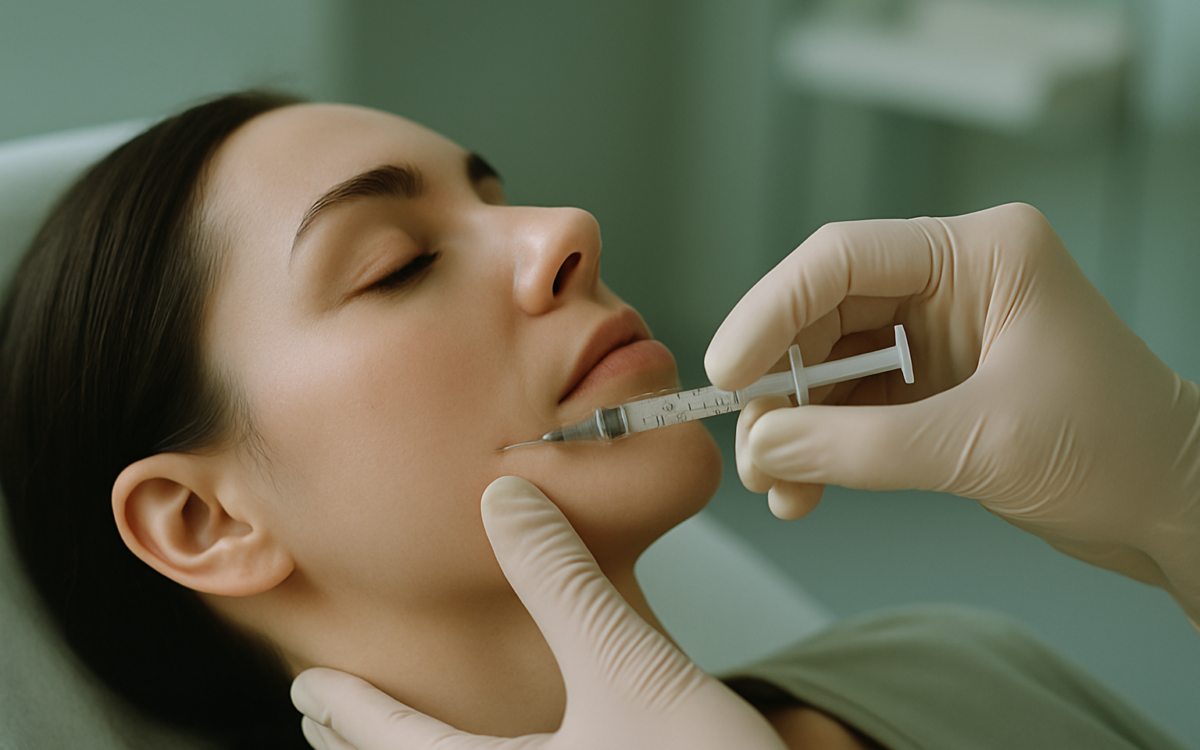
Masseter Botox has gained popularity in recent years, not just for its cosmetic benefits but also for its ability to alleviate various health issues. For those unfamiliar, the masseter muscle is one of the primary muscles responsible for chewing. When injected with Botox, this powerful neurotoxin can decrease muscle activity, leading to enhanced aesthetics and relief from conditions like teeth grinding and jaw tension. In this article, we will explore what masseter Botox is, its benefits, potential side effects, and important considerations to keep in mind.
What Is Masseter Botox?
Masseter Botox refers to the injection of botulinum toxin into the masseter muscle, located in the jaw. This treatment was initially used to reduce excessive teeth grinding, also known as bruxism, which can lead to dental damage, jaw pain, and headaches. However, over time, individuals began to notice that it could also help contour the jawline, leading to a more sculpted appearance.
The Benefits of Masseter Botox
Many individuals seek masseter Botox for various reasons, both cosmetic and therapeutic. Here are some notable benefits:
- Reduced Teeth Grinding: One of the primary uses of masseter Botox is to alleviate bruxism. By weakening the masseter muscle, patients may experience less grinding, reducing the risk of dental complications and associated pain.
- Jawline Contouring: For those looking to enhance their facial aesthetics, Botox injections can create a slimmer jawline. This procedure tends to be popular among individuals seeking to achieve a more refined facial structure without undergoing surgical procedures.
- Pain Relief: Many people suffer from TMJ (temporomandibular joint) disorders, leading to jaw and facial pain. Masseter Botox may help relieve this discomfort by relaxing the muscles surrounding the jaw.
- Management of Migraines: Some studies suggest that Botox can help manage chronic headaches and migraines. Although the FDA has approved Botox for headache prevention, its use in the masseter specifically shows promise for certain patients [source: NIH].
How Is the Procedure Done?
The process of receiving masseter Botox is straightforward and typically lasts about 20 to 30 minutes. Here’s a general overview of what to expect:
- Consultation: A qualified healthcare provider will evaluate your condition, discuss your expectations, and determine if you’re an appropriate candidate for the procedure.
- Preparation: The area will be cleansed, and topical anesthesia may be applied to minimize discomfort.
- Injection: The provider will inject small amounts of Botox into the masseter muscle. You might feel a slight pinch, but the procedure is generally well-tolerated.
Potential Side Effects
Like any medical procedure, masseter Botox comes with potential side effects. While many people tolerate it well, some common side effects include:
- Swelling or bruising at the injection site
- Temporary weakness in the jaw muscles
- Dry mouth or altered sensation in the jaw
Serious complications are rare but can include difficulty chewing or speaking and an uneven smile. Always seek treatment from licensed professionals to minimize risks [source: Mayo Clinic].
Who Should Consider Masseter Botox?
Masseter Botox may be a beneficial option for various individuals, including:
- Those with bruxism that leads to dental problems
- Individuals seeking jawline contouring without surgery
- People suffering from TMJ disorders and related discomfort
- Those experiencing chronic migraines that impact their quality of life
However, it’s essential to consult with a healthcare provider before proceeding, as they will consider your individual medical history and needs.
Aftercare and Results
Following the procedure, patients can typically resume regular activities immediately. However, it’s advisable to avoid strenuous exercise and lying down for a few hours post-injection to allow the Botox to settle. Results often become visible within a few days and can last anywhere from three to six months, depending on the individual.
To maintain the effects, individuals may need follow-up treatments regularly.
When to See a Doctor
If you experience any unusual symptoms post-injection, such as severe pain, difficulty breathing, or noticeable asymmetry in your jaw, seek medical attention immediately. Additionally, if your bruxism, jaw pain, or headaches return after treatment, consult your healthcare provider to discuss other management options.
While masseter Botox presents various benefits for both aesthetic and health-related issues, understanding the procedure and its implications is essential. Consulting with a professional can help ensure a safe and satisfactory experience.
With the right guidance, many find masseter Botox a suitable option for enhancing both their appearance and overall quality of life.
