
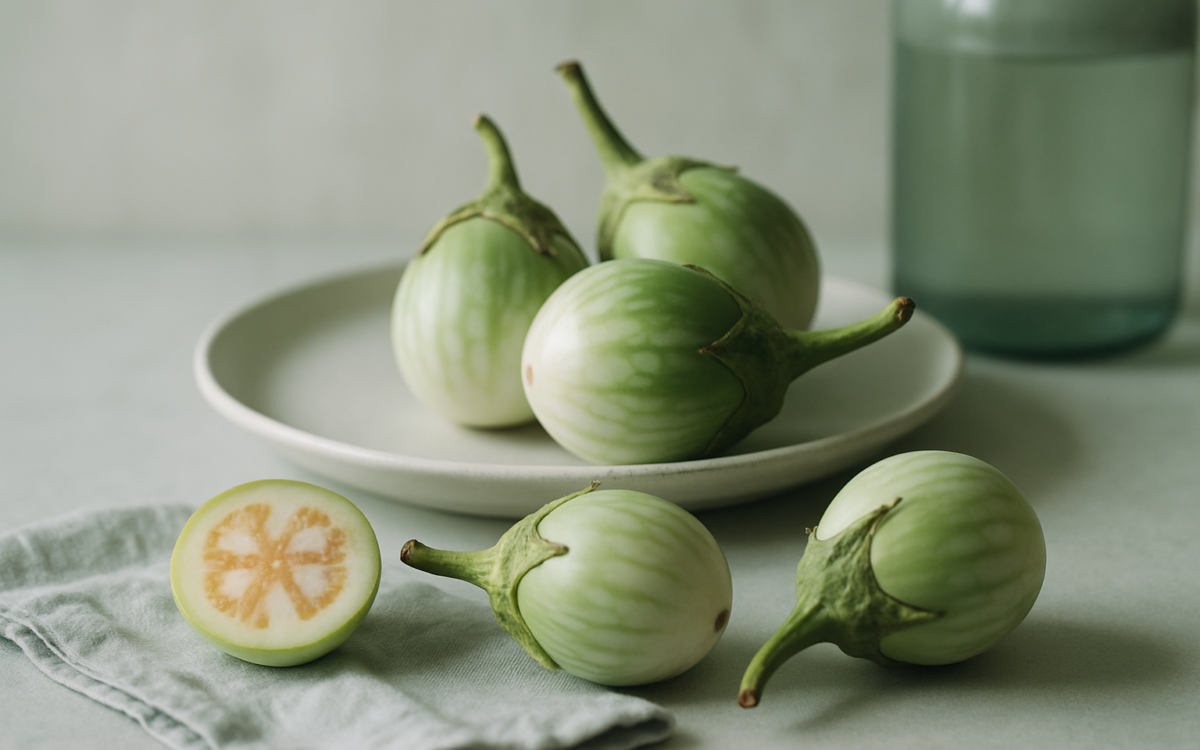
If you’re looking for a vibrant addition to your meals, Thai eggplant is worth exploring. Often overshadowed by its more common cousins, this small, round vegetable, prized for its unique flavor and texture, provides both variety and nutritional benefits to your diet. This article delves into the benefits of Thai eggplant, its culinary uses, and why you might consider incorporating it into your next dish.
What is Thai Eggplant?
Thai eggplant, also known as globe eggplant or Thai green eggplant, is a staple in various Southeast Asian cuisines, prominently featured in Thai dishes. Unlike the larger purple eggplants many of us are familiar with, Thai eggplants are typically small, round, and can be green or white in color. Their size makes them perfect for stir-fries, curries, and salads, adding a delightful crunch and a slightly bitter note that balances well with other ingredients.
Nutritional Profile
Thai eggplant is not just a culinary gem; it also boasts a commendable nutritional profile. Here’s a breakdown of what this small vegetable offers:
- Low in calories: One cup of raw Thai eggplant contains about 20 calories, making it an excellent choice for those looking to manage their weight.
- Rich in fiber: Thai eggplants are a good source of dietary fiber, which aids digestion and promotes a healthy gut. A high-fiber diet can also help maintain stable blood sugar levels.
- Vitamins and minerals: They are a source of vitamins such as B vitamins, vitamin K, and minerals like potassium and manganese. These nutrients are essential for various bodily functions and can contribute to overall health.
- Antioxidants: The vegetable is packed with antioxidants, which help combat oxidative stress and may reduce the risk of chronic diseases.
Health Benefits of Thai Eggplant
Incorporating Thai eggplant into your diet can lead to several health benefits. Here’s what makes this vegetable a worthwhile addition:
1. Digestive Health
The high fiber content in Thai eggplant supports digestive health. Fiber aids in regularity by helping food move through your digestive system smoothly, reducing the risk of constipation. According to the National Institutes of Health, adequate fiber intake is crucial for maintaining gut health.
2. Weight Management
If you’re looking to maintain or lose weight, Thai eggplant can be a great ally. Low in calories yet filling due to its fiber content, it can add volume to your meals without adding excessive calories. Incorporating it into your diet can lead to increased satiety and reduced hunger levels throughout the day.
3. Heart Health
The antioxidants found in Thai eggplant can help reduce inflammation and lower cholesterol levels. Promoting heart health is essential, as cardiovascular diseases remain a leading cause of illness globally. The World Health Organization emphasizes the importance of a healthy diet in preventing heart disease.
4. Blood Sugar Control
Research suggests that the fiber in eggplants may help control blood sugar levels. This can be beneficial for individuals managing diabetes or looking to prevent spikes in blood glucose. Foods high in fiber can slow the absorption of sugar and help maintain stable blood sugar levels.
Culinary Uses of Thai Eggplant
From stir-fries to curries, Thai eggplant integrates well into a variety of dishes. Here are some popular culinary uses:
- Curries: Thai eggplants are a common ingredient in Thai curries, absorbing the flavors of the sauce while adding texture.
- Stir-fries: They can be diced or left whole and tossed into stir-fries for added crunch and color.
- Salads: Grilled or roasted Thai eggplants can be sliced thinly and added to salads for a unique flavor twist.
- Stuffed dishes: Due to their shape, they can be hollowed out and stuffed with various mixtures, then baked or steamed.
How to Choose and Store Thai Eggplant
When selecting Thai eggplant, look for smooth, shiny skin without blemishes or soft spots. Smaller eggplants tend to be sweeter and less bitter than larger ones. Store Thai eggplant in the refrigerator, ideally in a perforated plastic bag, to allow air circulation and prevent moisture buildup, which can lead to spoilage. They are best used within a week for optimal flavor and texture.
When to See a Doctor
If you experience allergic reactions, such as skin rashes, swelling, or difficulty breathing after consuming Thai eggplant or any other food, you should consult a physician. Additionally, if you notice any significant digestive issues after incorporating new foods into your diet, it’s wise to seek professional advice.
In conclusion, Thai eggplant is a versatile vegetable that not only enhances a variety of dishes with its unique flavor but also offers numerous health benefits. By incorporating this nutritious vegetable into your meals, you can enjoy both the taste and the health advantages it provides. Whether you’re experimenting with new recipes or simply looking to eat healthier, don’t overlook the delightful Thai eggplant!
