
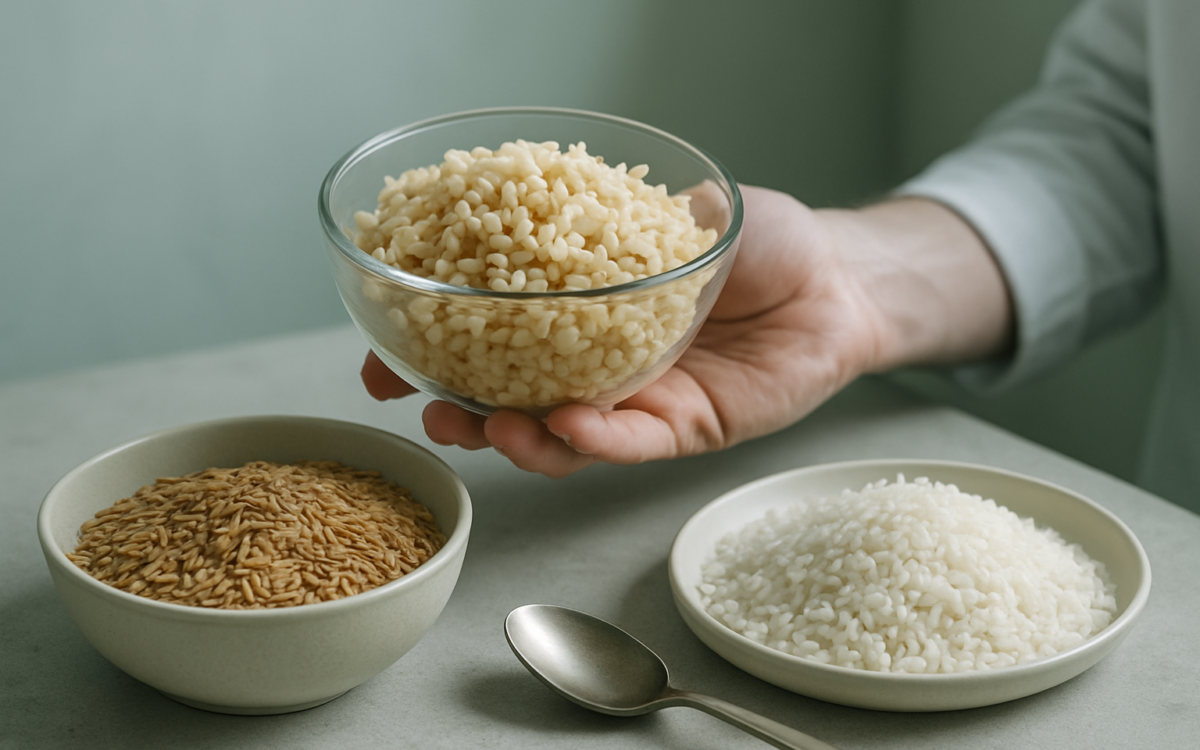
When it comes to healthy eating, rice often finds its way onto our plates. With various types to choose from, it can be challenging to identify which rice is truly the healthiest option. In this article, we will explore the health benefits of different types of rice, delve into their nutritional content, and help you make informed choices for a balanced diet.
Understanding the Different Types of Rice
Rice is a staple food for more than half of the world’s population. There are numerous varieties, each with its flavor, texture, and nutritional profile. The most common types include:
- White Rice: Often considered the most processed, white rice has had both its bran and germ removed, resulting in a softer texture and milder flavor.
- Brown Rice: A whole grain option, brown rice retains its bran and germ, offering more fiber, vitamins, and minerals than white rice.
- Black Rice: Also known as forbidden rice, this variety is often considered a superfood for its high antioxidant levels and nutrients.
- Red Rice: This unhulled or partially hulled rice variety is rich in nutrients, particularly iron, and has a slightly nutty flavor.
- Wild Rice: Though not technically rice, wild rice is a nutrient-dense grain, high in protein and fiber.
Why Brown Rice is Often Considered the Healthiest
Brown rice is one of the healthiest rice options available. Unlike white rice, it is unpolished and retains its bran and germ layers, which are packed with nutrients. Here are some of the key health benefits associated with brown rice:
- High in Fiber: Brown rice is a great source of dietary fiber, which can aid digestion and help you feel full, potentially reducing overeating.
- Rich in Nutrients: It contains essential nutrients like magnesium, phosphorus, and B vitamins, which are vital for overall health.
- Low Glycemic Index: Brown rice has a lower glycemic index than white rice, making it a better option for managing blood sugar levels, especially for individuals with diabetes.
The Power of Black and Red Rice
While brown rice is a nutritious choice, black and red rice offer unique health benefits that are worth exploring. Their vibrant colors are a testament to their high antioxidant levels.
Black Rice
Black rice is packed with anthocyanins, which give it its unique color and provide potential health benefits such as:
- Heart Health: The antioxidants found in black rice can help protect against heart disease.
- Anti-inflammatory Properties: These same antioxidants may also have anti-inflammatory effects, contributing to overall health.
Red Rice
Much like black rice, red rice is a whole grain and offers health benefits such as:
- Rich in Iron: Red rice contains higher iron content, aiding in the prevention of anemia.
- Good for Heart Health: It may help lower cholesterol levels, contributing to cardiovascular health.
Does White Rice Have Any Health Benefits?
While white rice is often criticized for being less nutritious than its whole grain counterparts, it does offer some benefits:
- Easy to Digest: White rice is gentle on the stomach and easier to digest, making it suitable for individuals recovering from digestive issues.
- Versatile and Quick Cooking: Due to its shorter cooking time, white rice is convenient for quick meals.
In many Asian cuisines, white rice is a staple food that serves as a source of carbohydrates; just be mindful of portion sizes.
Incorporating the Healthiest Rice into Your Diet
Choosing the healthiest rice is just the first step—how you prepare and serve it also matters. Here are some tips for incorporating these rice varieties into your meals:
- Mix and Match: Combine different rice types—like brown and black rice—to add flavor, texture, and nutritional value.
- Rinse and Soak: Rinsing rice before cooking can remove excess starch and reduce cooking time; soaking can also enhance nutrition.
- Add Veggies and Proteins: Serve rice with colorful vegetables and lean proteins for a balanced meal.
Experimenting with different types of rice can help you discover new flavors while boosting the nutrition of your meals.
When to See a Doctor
If you have specific dietary concerns or conditions, such as diabetes or dietary intolerances, it’s a good idea to consult a healthcare professional. They can help tailor recommendations to meet your individual health needs.
Conclusion
Choosing the healthiest rice variety involves understanding the nutritional benefits of each type. Brown, black, and red rice are excellent options, offering a wealth of nutrients and health benefits. While white rice serves a purpose in certain diets, it’s crucial to incorporate whole grains into your meals for a balanced approach. By making informed choices about rice, you can enjoy delicious dishes while supporting your health.
