
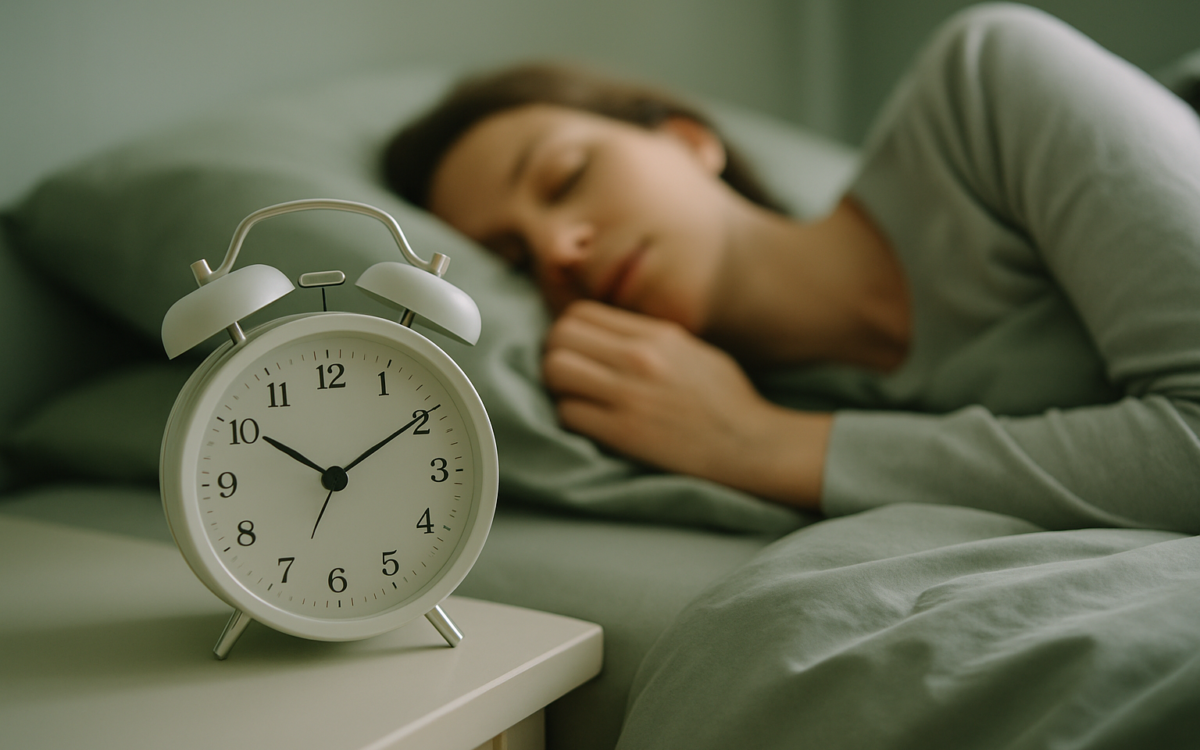
Every fall, as the clocks roll back for Daylight Saving Time, many people cheerfully announce that they’ve ‘gained an hour of sleep.’ But is this really the case? While the change in time may give us an extra hour on the clock, the reality is a bit more complex. In this article, we explore the science of sleep, the impacts of time changes on our bodies, and what you can do to optimize your rest no matter the clock.
The Science of Sleep
Sleep is crucial for our physical and mental well-being. During sleep, our bodies undergo many vital processes. The National Institutes of Health (NIH) notes that sleep helps with memory consolidation, emotional regulation, and physical health maintenance. But how much sleep do we actually need? The Centers for Disease Control and Prevention (CDC) recommends that adults get at least 7 hours of sleep each night.
Daylight Saving Time: An Overview
Daylight Saving Time (DST) begins and ends in the spring and fall, respectively. When clocks fall back, many celebrate the shift, claiming they enjoy an extra hour of sleep. The idea sounds appealing, but the reality can be a bit different. Here’s why:
- Circadian Rhythms: Our bodies have internal clocks that dictate sleep-wake cycles. Altering this schedule can lead to temporary disruptions in sleep quality.
- Sleep Debt: Many individuals do not bank extra sleep hours in anticipation of DST. Instead, they may remain awake for longer, negating any benefits gained from the time change.
Gaining an Hour of Sleep: The Reality
While the clock might suggest that we gain an hour, it does not guarantee that we will actually sleep that extra hour. Many people struggle to fall asleep during the transition period, resulting in little or no additional rest. A study from the National Library of Medicine found that the shift in time can lead to sleep disturbances and a temporary dip in overall sleep quality.
Understanding Sleep Quality
It’s essential to differentiate between the quantity and quality of sleep. Even if you manage to fall asleep for an extra hour, that hour can be filled with light or fragmented sleep, failing to provide restorative benefits. Good quality sleep involves multiple sleep cycles that include deep sleep and REM (rapid eye movement) sleep stages.
The Sleep Foundation emphasizes that it’s not just about how long we sleep but also about how well we sleep. Those who struggle with sleep disorders like insomnia may find even a time change unhelpful. This is where understanding sleep hygiene becomes essential.
Tips for Better Sleep Quality
Here are some strategies to enhance your overall sleep experience:
- Stick to a Routine: Go to bed and wake up at the same time each day, even on weekends. This helps regulate your internal clock.
- Create a Sleep-Inducing Atmosphere: Keep your bedroom dark, cool, and quiet. Consider using blackout curtains or a white noise machine.
- Limit Screen Time: Reduce electronic device usage before bed. The blue light emitted from screens can trick your brain into thinking it’s still daytime.
- Watch Your Diet: Avoid caffeine and large meals close to bedtime. Instead, consider a light snack if you’re hungry.
- Be Active: Regular physical activity can help you fall asleep faster and enjoy deeper sleep. However, try not to exercise too close to bedtime.
Adjusting After the Time Change
After Daylight Saving Time, it can take several days for your body to adjust. Here are a few tips to help you get back on track:
- Gradually Adjust Your Schedule: If possible, start shifting your sleep and wake time by 15-30 minutes a few days before the change.
- Expose Yourself to Sunlight: Natural light helps regulate your circadian rhythms, making it easier to adjust.
- Stay Consistent: Maintain consistent sleep and wake times until your body has adjusted.
When to See a Doctor
If you consistently struggle to fall asleep or stay asleep, it may be time to talk to a healthcare professional. Sleep disorders can significantly impact your quality of life. Symptoms to watch for include:
- Chronic fatigue during the day
- Difficulty concentrating
- Snoring or gasping for air during sleep
Consulting with a healthcare provider can help identify underlying issues and determine the best course of action for improving your sleep quality.
Conclusion
While the concept of gaining an hour of sleep during Daylight Saving Time sounds appealing, the reality is more nuanced. Factors such as circadian rhythms and sleep quality play an essential role in our overall sleep experience. By adopting good sleep hygiene practices and being mindful about how we approach the time change, we can enhance our rest and well-being all year round. Remember, your sleep matters—make it a priority!
