
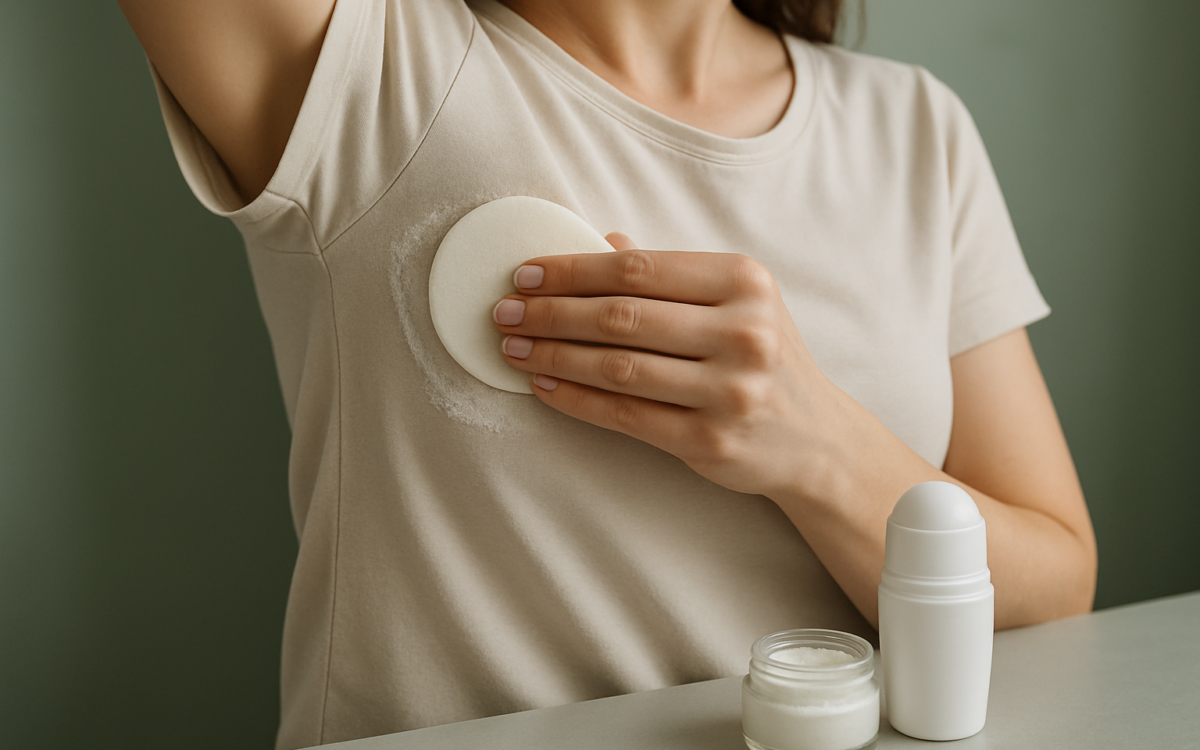
Finding deodorant stains on your favorite shirt or dress can be frustrating. These marks can sneak up on you, often appearing after a long day or during a wardrobe change. But don’t worry—deodorant stains are not the end of the world. With the right approach and some handy tips, you can keep your clothes looking fresh and stain-free. In this article, we’ll delve into various methods to remove those unsightly marks and restore your clothing to its former glory.
Understanding Deodorant Stains
Before diving into removal methods, it’s essential to understand why deodorant stains occur. Deodorants typically contain ingredients like aluminum compounds, waxes, and oils. When these substances react with sweat or mix with fabric fibers, they can create those pesky white or yellow stains. Different materials react differently, and while cotton might hold onto stains more stubbornly, synthetic fabrics can sometimes make it easier to remove them.
Immediate Actions to Take
If you notice a deodorant stain while getting dressed, quick action can make a significant difference. Here are steps you can take immediately:
- Air it out: If possible, change out of the stained garment and let it breathe. Stains can set in with heat, so try to keep the fabric cool.
- Blot gently: If still wet, gently blot any excess product with a clean cloth or paper towel. Avoid rubbing, as this can make the stain worse.
- Cold water rinse: Rinse the stained area with cold water to help lift the stain. Make sure to use a gentle stream and avoid harsh scrubbing.
Popular Home Remedies
Once you’ve taken immediate action, you can try various at-home methods to tackle the stain further. Many of these techniques require common household items:
Baking Soda Paste
Baking soda is a natural abrasive that can work wonders on stains. Mix three parts baking soda with one part water to form a paste. Apply it to the stain, let it sit for about 30 minutes, and then wash as usual.
Vinegar Soak
Vinegar acts as a natural deodorizer and can help lift stubborn odors and stains. Soak the stained area in a mixture of equal parts white vinegar and water for 30 minutes before washing.
Lemon Juice
Lemon juice’s natural acidity can help break down stains. Apply fresh lemon juice directly onto the stain, let it sit for about 15 minutes, and rinse with cold water before washing.
Using Stain Removers and Detergents
If home remedies aren’t cutting it, consider trying commercial stain removers or even laundry detergents designed for tough stains:
- Pre-soak solutions: Look for pre-soak products specifically formulated for removing stains. Apply directly to the stain and follow product instructions.
- Stain-removing sprays: Spray the stained area with a stain remover and let it set for 5-10 minutes before washing.
- Quality detergent: Some detergents have built-in stain-fighting capabilities. Opt for one that’s gentle yet effective on tougher stains.
Washing and Drying Tips
After treating the stain, it’s essential to wash and dry your garment properly:
- Follow care labels: Always check the care label for washing instructions. Different fabrics have specific requirements.
- Use cold water: For most stains, washing in cold water can help prevent them from setting in. Hot water may embed the stain further.
- Avoid the dryer: If the stain persists after washing, avoid putting the garment in the dryer, as the heat can make the stain permanent. Instead, air dry until you confirm the stain is removed.
Preventative Measures
Once you’ve learned how to remove deodorant stains, you’ll want to prevent them from coming back. Here are some strategies:
- Choose the right deodorant: Some formulas are designed to reduce staining. Look for those labeled as “stain-free” or “clear.”
- Apply less: Sometimes, less is more. Using a smaller amount of deodorant can minimize staining.
- Let it dry: Allow your deodorant to dry completely before putting on clothes. This can significantly reduce transfer to fabric.
When to See a Doctor
While deodorant stains are generally a nuisance rather than a severe issue, it’s worth noting that some underarm conditions could require medical attention. If you experience unusual skin irritation, persistent rashes, or discomfort in your underarm area, consider consulting a healthcare professional. Find reliable health information at NIH/NLM, or seek further advice from CDC or WHO.
Wearing your favorite clothes without fear of deodorant stains is possible! With the right knowledge and strategies at your disposal, you can effectively tackle these stains and enjoy your wardrobe worry-free.
