
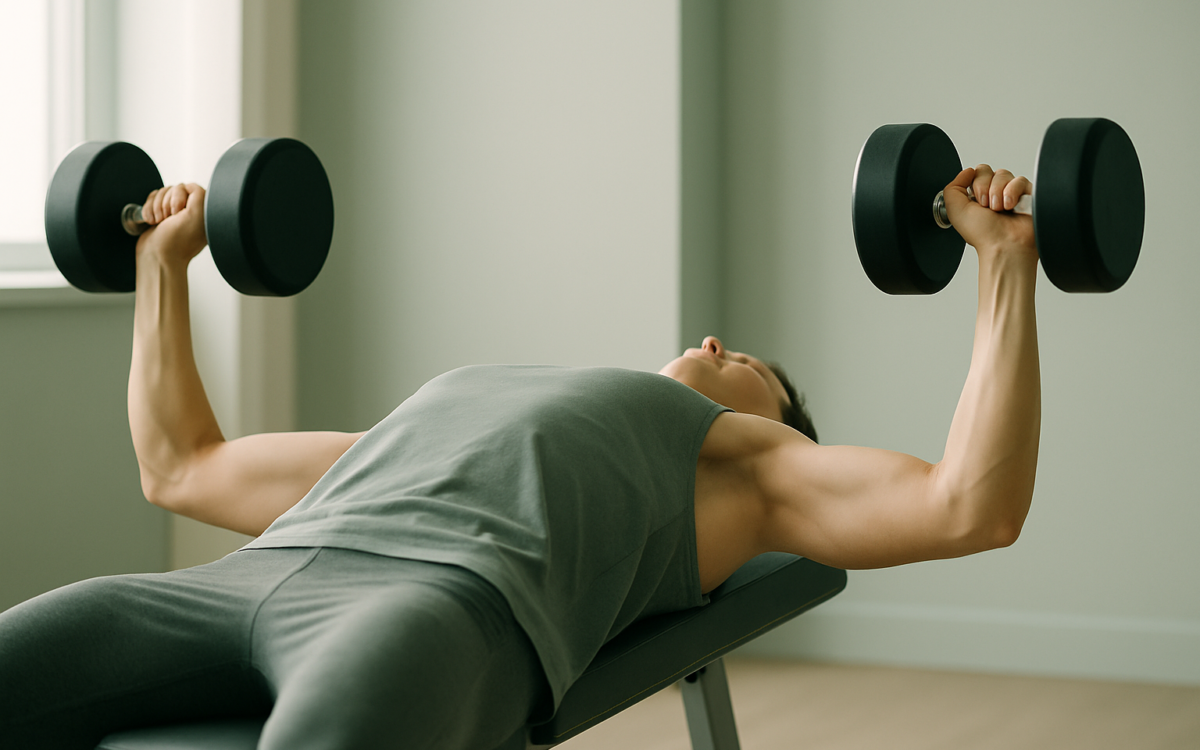
The dumbbell chest fly is a popular exercise that many fitness enthusiasts use to enhance their workout routines. It’s known for its ability to build strength and definition in the chest muscles. Whether you’re new to strength training or looking to switch up your routine, understanding the dumbbell chest fly can empower you to achieve your fitness goals.
What is the Dumbbell Chest Fly?
The dumbbell chest fly is an isolation exercise, meaning it focuses on a specific muscle group. Primarily, it targets the pectoral muscles, also known as the chest muscles. This exercise involves lying on your back and extending your arms with dumbbells, creating a fly-like motion. Unlike pressing movements, which activate multiple muscle groups, the chest fly primarily emphasizes the chest, helping to create a well-defined look.
Muscles Engaged During the Exercise
When performing the dumbbell chest fly, several muscles are engaged:
- Pectoralis Major: The primary muscle targeted, responsible for chest development.
- Pectoralis Minor: A smaller muscle located underneath the major pectoral muscle.
- Deltoids: These shoulder muscles contribute to the stabilization of the arms during the movement.
- Triceps: Located on the back of your upper arms, they assist during the lift.
Engaging these muscles helps in developing strength and endurance, creating a more toned appearance in the upper body.
How to Perform the Dumbbell Chest Fly
Setting up for the dumbbell chest fly requires minimal equipment: just a pair of dumbbells and a flat bench. Here’s how to do it:
- Positioning: Lie back on a flat bench with a dumbbell in each hand. Your feet should be flat on the floor to provide stability.
- Starting Position: Hold the dumbbells directly above your chest, with your arms extended and a slight bend in your elbows.
- The Movement: Slowly lower your arms out to your sides, keeping that slight bend in the elbows. Go until you feel a stretch in your chest, but do not let your elbows drop below the level of your shoulders.
- Return: Bring your arms back together above your chest, squeezing your pectoral muscles as you finish the movement.
Make sure to practice proper form to avoid injury and maximize the benefits of this exercise. Start with lighter weights to ensure you can perform the movement safely, then gradually increase the weight as you gain strength.
Tips for a Safe and Effective Workout
To ensure that your dumbbell chest fly is performed safely and effectively:
- Warm-Up: Always warm up your muscles with light cardio and dynamic stretches to enhance blood flow and flexibility.
- Focus on Control: Instead of using momentum to lift the weights, concentrate on controlled movements. This increases the effectiveness of the exercise.
- Mind-Muscle Connection: Visualize the pectoral muscles working as you perform the exercise. This focus helps with better engagement.
- Breathing: Remember to breathe out as you lift the weights and breathe in as you lower them.
- Frequency: Aim for 2-3 sets of 10-15 repetitions, allowing your muscles to rest adequately between sessions.
Common Mistakes to Avoid
As with any exercise, several common mistakes can hinder your performance or lead to injury:
- Using Too Much Weight: Beginners sometimes try to lift weights that are too heavy, which can compromise form and lead to injuries.
- Arching the Back: Maintain a flat back against the bench to avoid straining your spine.
- Neglecting Warm-Up: Not warming up can increase the risk of muscle strains during your workout.
Avoiding these pitfalls will help you get the most out of your dumbbell chest fly workouts.
When to See a Doctor
If you experience pain during or after performing the dumbbell chest fly, it may be a sign of an underlying condition. Additionally, if you notice persistent discomfort in your chest or upper arms, it’s wise to consult a healthcare professional. There’s no harm in seeking a quick evaluation to rule out any serious issues or to receive guidance tailored to your fitness needs. For more information on muscle health and injury prevention, you can visit the National Institutes of Health or consult resources from the Mayo Clinic.
Conclusion
The dumbbell chest fly can be a powerful addition to your fitness routine, enhancing strength and definition in your upper body. By understanding the proper technique, common mistakes, and injury prevention strategies, you can maximize the benefits of this effective exercise. As with any workout, listen to your body, start slow, and consult a healthcare professional if you have any concerns. Happy lifting!
