
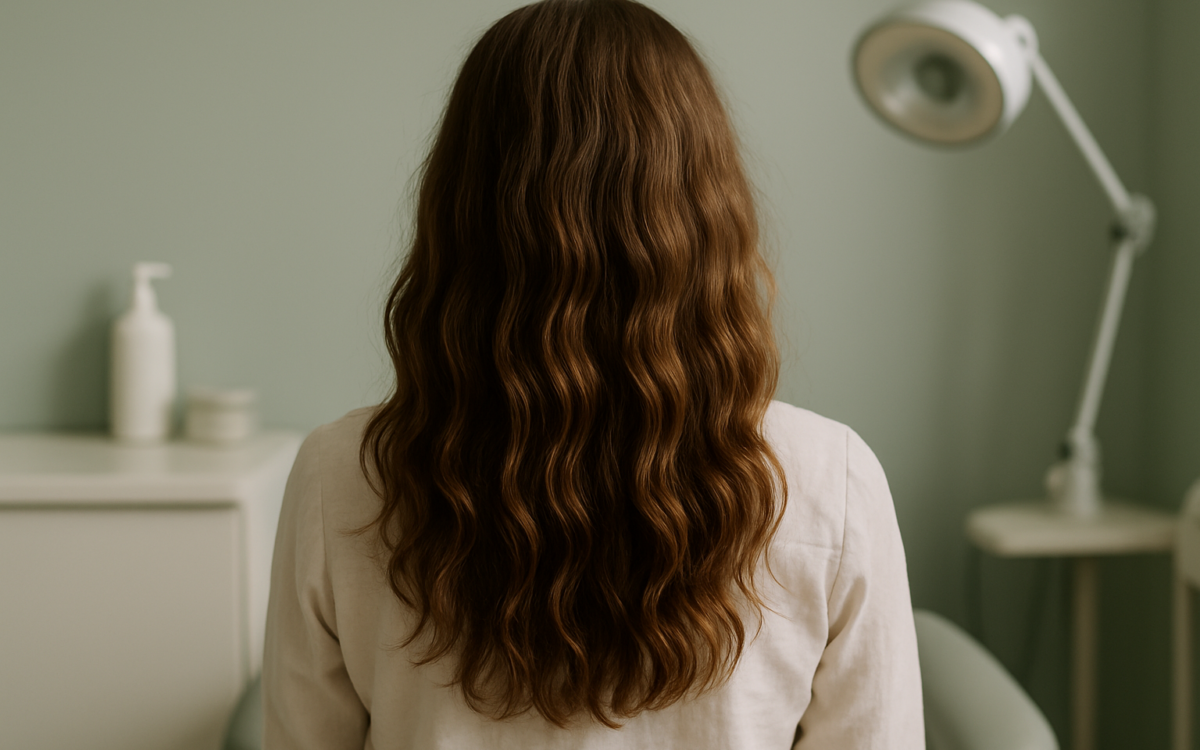
Hair color is more than just an aesthetic choice; it reflects our identity and can profoundly impact our self-esteem. While many turn to chemical dyes for a quick change, there’s a rising interest in embracing and enhancing our natural hair color. In this article, we’ll explore what natural hair color means, the factors that affect it, and how you can care for and enhance your own unique shade.
Understanding Natural Hair Color
Natural hair color is determined by the amount and type of pigments present in the hair strand. The two primary pigments are eumelanin, which can appear brown or black, and pheomelanin, which gives hair a yellow or red hue. The interaction of these pigments creates the diverse spectrum of hair colors we see, ranging from blonde to deep black.
Factors Influencing Your Hair Color
Several factors can influence your hair color:
- Genetics: Your family history plays a significant role in determining your base hair color.
- Age: As we age, our hair color may change due to a decrease in melanin production.
- Environmental Factors: Sun exposure, pollution, and dyes can alter the appearance of your natural hair color.
- Diet: A balanced diet rich in vitamins and minerals can contribute to healthier, vibrant hair.
Natural Alternatives to Hair Dye
For those looking to enhance or change their hair color without harsh chemicals, numerous natural alternatives can offer beautiful results:
1. Henna
Henna is a plant-based dye known for its deep reddish-brown color. It can provide excellent coverage for gray hair while also conditioning the hair.
2. Coffee
For a subtle darkening effect, brewed coffee can be used as a rinse. It works best for those with brown or black hair.
3. Chamomile Tea
This herbal tea can lighten blonde hair, especially when combined with sun exposure. It’s a gentle option for those looking for a sun-kissed look.
4. Beet Juice
Beet juice can add a vibrant red tint to the hair. Mixing it with a carrier like coconut oil can help in application.
Caring for Your Natural Hair Color
After you’ve discovered or enhanced your natural hair color, proper care is essential to maintain its vibrancy:
- Use Sulfate-Free Shampoo: Sulfates can strip hair color and lead to dryness. Opting for gentle, sulfate-free formulas can prolong your color’s life.
- Regular Conditioning: Conditioning treatments can help keep your hair moisturized and prevent dullness.
- Avoid Excessive Heat: Minimize the use of heat styling tools, which can damage hair and alter its color.
- Hydration: Drink plenty of water and eat a balanced diet for luscious hair.
Emphasizing Natural Beauty
In today’s world, there’s a growing appreciation for natural beauty. Embracing your natural hair color can be empowering and refreshing. It encourages authenticity and can foster self-acceptance. For many, the journey to embracing natural hair color may also include understanding and caring for it. Maintaining a minimalistic beauty routine can further enhance beauty.
Common Myths About Natural Hair Color
Despite the rising popularity of natural hair, several myths continue to circulate:
- Myth 1: Natural hair color options are limited.
In reality, there are numerous plant-based options that cater to a wide range of shades. - Myth 2: Natural products don’t work as well as chemical dyes.
While results may vary, many find natural products effective and less damaging. - Myth 3: Natural hair color is always dull.
With the right techniques and products, natural colors can be vibrant and stunning.
Understanding these myths helps demystify natural hair color and allows people to make informed choices about their hair care.
When to See a Doctor
If you experience significant changes in your hair color, excessive hair loss, or scalp irritation, it may be time to consult a medical professional. Conditions such as alopecia or hormonal imbalances can affect your hair health and color. Discussing your concerns with a healthcare provider can help identify any underlying issues.
In conclusion, embracing your natural hair color is a beautiful way to express yourself. By understanding the factors that affect your hair color and exploring natural alternatives, you can enhance your look while maintaining healthy hair. Celebrate the unique beauty of your natural hair—it’s an integral part of who you are!
