
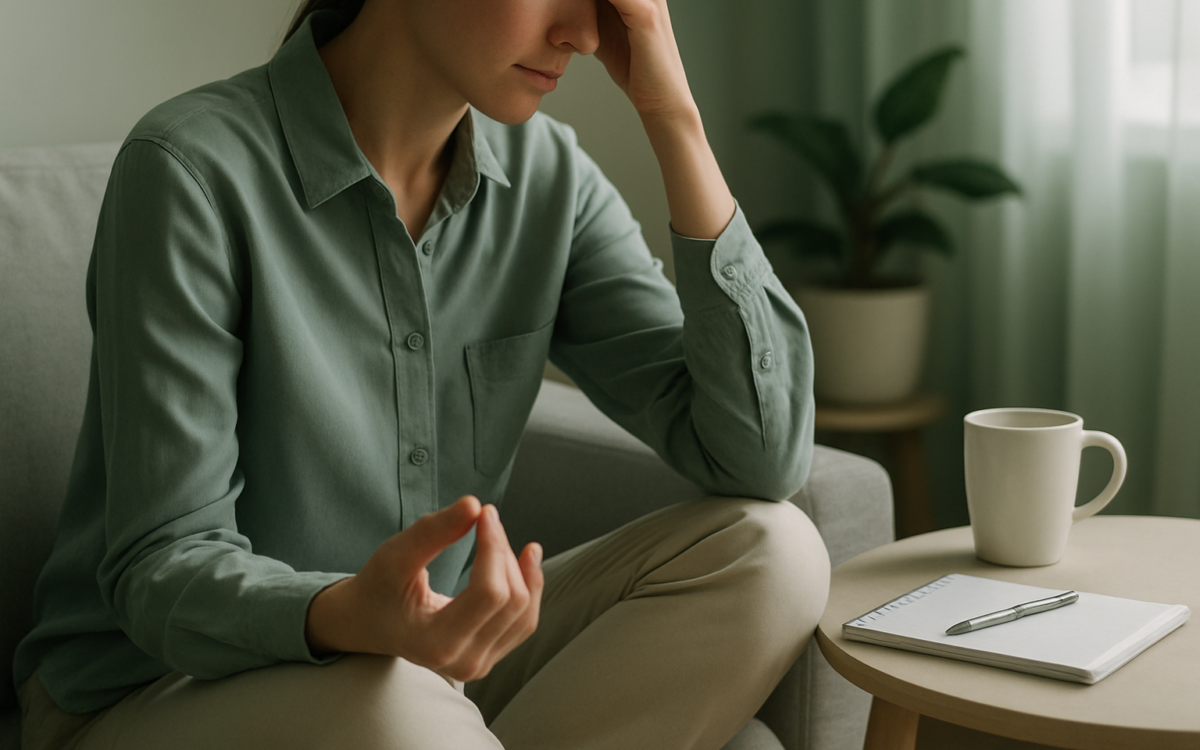
In today’s fast-paced world, feeling stressed seems almost unavoidable. Whether it’s the pressure of work deadlines, family responsibilities, or social commitments, stress can easily pile up and leave you feeling overwhelmed. However, learning how to cope with stress is essential for maintaining both your mental and physical health. In this article, we will explore effective strategies that can help you manage and reduce stress in your life.
Understanding Stress
Before diving into coping strategies, it’s important to understand what stress actually is. Stress is your body’s response to a challenge or demand. When you encounter a stressor—be it physical, emotional, or psychological—your body releases hormones like cortisol and adrenaline. These hormones prepare your body for a ‘fight or flight’ response, which can be helpful in short bursts but can be harmful if stress persists over time.
Identifying Your Stressors
The first step in coping with stress is identifying your stressors. Keep a stress diary for a week to track what situations cause you stress and how you respond. Here are some common stressors to consider:
- Work-related pressures
- Relationship issues
- Financial challenges
- Health concerns
- Major life changes
Once you understand your specific triggers, you can begin to take steps to address them. For instance, if you’re stressed about your workload, consider speaking to a supervisor about redistributing some tasks.
Physical Activity: A Powerful Stress Reliever
One of the most effective ways to cope with stress is through physical activity. Exercise helps release endorphins, the body’s natural mood lifters. Here are some ways to incorporate physical activity into your daily routine:
- Take a brisk walk during your lunch break.
- Join a local gym or sports team.
- Try a new exercise class, such as yoga or dance.
- Even household chores can provide a mini workout!
According to the National Institutes of Health, just 30 minutes of moderate exercise most days can significantly reduce stress levels.
The Power of Mindfulness and Meditation
Practicing mindfulness and meditation can help you stay grounded and reduce anxiety. These techniques encourage you to focus on the present moment rather than worrying about past or future events. Here are some simple ways to get started:
- Mindful Breathing: Spend a few minutes each day focusing on your breath. Inhale deeply through your nose, hold for a moment, and exhale slowly through your mouth.
- Guided Meditations: Use apps or online videos to guide you through meditation sessions, which can help you focus your mind and reduce stress.
- Gratitude Journaling: Write down three things you are grateful for each day to shift your focus from stress to positivity.
According to the World Health Organization, mindfulness can reduce stress and improve emotional well-being.
Social Support: Lean on Others
Connecting with friends and loved ones can be an invaluable resource in managing stress. Talking about your feelings can provide relief and perspective. Consider these options to strengthen your social support:
- Reach out to friends or family members and share what you’re going through.
- Join a support group or community organization to meet others with similar experiences.
- Engage in social activities that you enjoy, such as game nights or group outings.
Building strong relationships can not only help alleviate stress but also improve your overall health and well-being.
Healthy Lifestyle Choices
Your lifestyle choices can significantly impact your stress levels. Consider implementing these healthy habits:
- Balanced Diet: Eat a variety of foods rich in vitamins and minerals. Fruits, vegetables, lean proteins, and whole grains can support your body and mind.
- Regular Sleep: Aim for 7-9 hours of sleep each night to ensure your body has time to recover and refresh.
- Limit Caffeine and Alcohol: While these substances may seem to provide temporary relief, they can increase anxiety and disrupt sleep.
Healthy choices, combined with adequate self-care, can significantly reduce stress. The Mayo Clinic emphasizes the importance of nutrition, sleep, and lifestyle in managing stress effectively.
When to See a Doctor
If stress becomes overwhelming or starts to interfere with your daily life, it may be time to consult a doctor. Symptoms such as persistent anxiety, depression, or physical complaints (like headaches and stomach issues) may indicate that professional help is needed. Mental health professionals can offer counseling, therapy, or other treatments tailored to your needs.
Coping with stress is a personal journey—not every strategy works for everyone. However, by experimenting with different techniques and building a toolkit of coping methods, you can find what works best for you. Embracing these strategies will not only help you manage stress but enhance your overall quality of life.
