
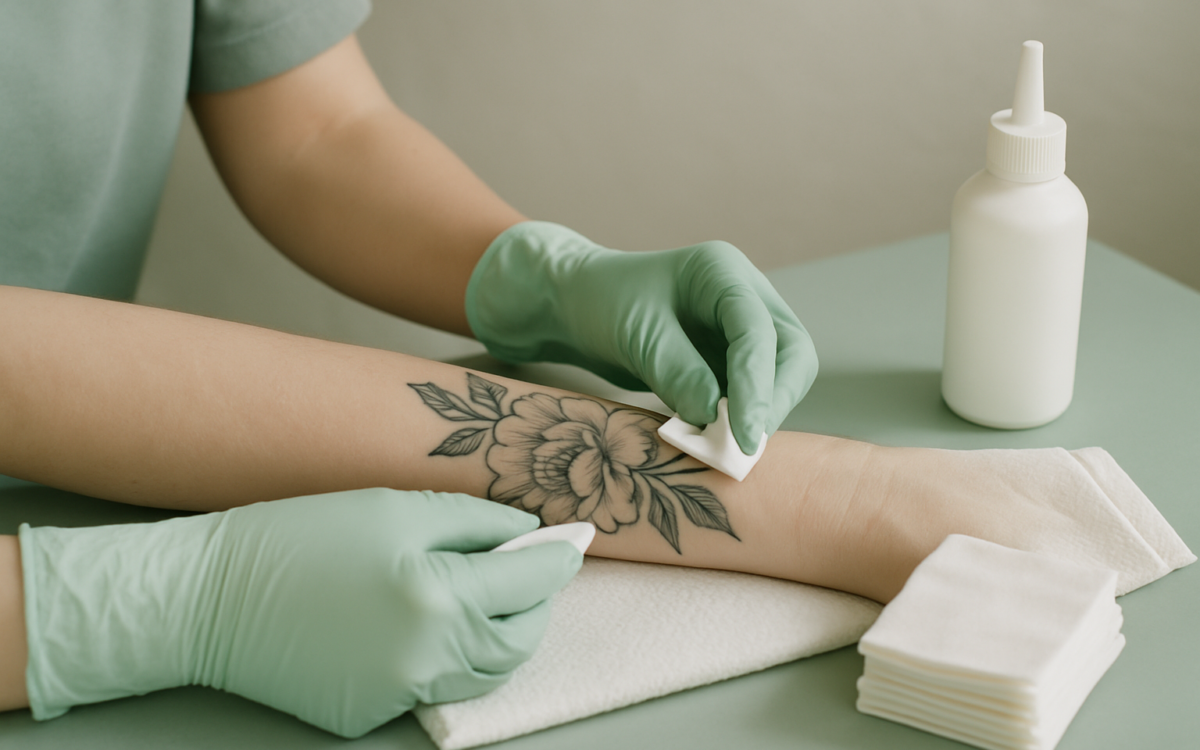
Getting a new tattoo is an exciting experience that often brings a mix of emotions—excitement, pride, and sometimes anxiety about how to take care of it afterward. Ensuring your tattoo heals well is essential for preserving its beauty and preventing complications. This guide will provide you with essential tattoo aftercare instructions to help your new ink look vibrant for years to come.
Understanding the Healing Process
Once you’ve had your tattoo done, your skin enters the healing phase. This typically takes about 2 to 3 weeks, depending on the size and intricacy of the tattoo. The healing process can be split into several stages:
- Initial healing: The first few days post-tattooing are crucial. Your skin will be red, swollen, and tender. You might notice some oozing or weeping from the tattoo site.
- Scabbing: After a few days, your tattoo will start to scab. This is a natural part of the healing process, signaling that your body is closing the wounds.
- Peeling: As your tattoo heals, it will begin to peel. This is normal, and picking at these flakes can lead to ink loss.
- Final healing: After about 2-4 weeks, most tattoos will appear fully healed, though deeper layers of skin may continue to heal for a longer period.
Step-by-Step Tattoo Aftercare Instructions
To ensure your tattoo heals well, follow these step-by-step instructions:
1. Keep it covered
After your tattoo artist finishes, they will usually cover the tattoo with a bandage or wrap. Keep this covering on for at least a few hours, or as your tattoo artist recommends. This helps shield the tattoo from bacteria and dirt for the initial healing phase.
2. Gently clean the tattoo
After removing the bandage, gently wash the area with lukewarm water and a mild, fragrance-free soap. Avoid using loofahs or sponges; instead, use your hands to lightly cleanse the tattoo. Pat the area dry with a clean towel.
3. Apply a healing ointment
After cleaning the tattoo, apply a thin layer of a recommended healing ointment or tattoo-specific lotion. Avoid heavy creams and petroleum jelly as they might suffocate the tattoo and trap bacteria. Some popular options include:
- A&D ointment
- Hustle Butter
- Unscented lotion (such as CeraVe or Lubriderm)
4. Keep it moisturized
Moisturize your tattoo several times a day for the first week to prevent excessive scabbing and itching. After the initial week, you can transition to a lighter moisturizer. Consistent hydration keeps your skin healthy and helps maintain the vibrancy of your tattoo.
5. Avoid sun exposure
Direct sunlight can significantly damage healing tattoos, causing colors to fade and leading to potential sunburn. If you need to go outside, cover your tattoo with clothing or apply sunscreen on healing tattoos after they’ve fully healed, using at least SPF 30. Avoid tanning beds altogether until your tattoo is completely healed.
6. No scratching or picking
As your tattoo heals, it’s natural for it to itch. However, resist the urge to scratch or pick at scabs. This can lead to infections and loss of ink. If itchiness becomes unbearable, apply a light layer of moisturizer to alleviate the sensation.
Traveling and Tattoo Aftercare
If you’re an international traveler or considering getting inked abroad, it’s essential to maintain proper aftercare, especially in different environments. Healing abroad may present unique challenges, such as varying humidity and temperature levels. Depending on where you are, the availability of products or clean water may differ. Make sure to bring travel-sized versions of your aftercare products. Always consult with a local expert about their recommendations for tattoo care, as practices may vary.
Moreover, if you are considering getting tattooed while traveling, check out international patient services that can connect you with reputable artists knowledgeable about different aftercare practices.
Signs of Complications
Despite following tattoo aftercare instructions, complications can occur. Here are some signs that might indicate a problem:
- Increased swelling or redness
- Pain that worsens rather than improving
- Pus or unusual discharge from the tattoo
- Fever or chills
If you notice any of these symptoms, it is important to seek medical attention as they may signal an infection or allergic reaction.
When to See a Doctor
If you’re concerned about your tattoo healing process, you should consult your healthcare provider. Seek medical attention if you notice:
- Persistent redness or swelling around the tattoo
- Pain that is increasing
- Signs of infection, such as pus or fever
- Allergic reactions, such as rashes or hives
Conclusion
Your tattoo is a personal expression of art, and taking proper care of it is vital for its longevity and vibrancy. By following these aftercare instructions diligently, you can ensure that your new ink remains a source of pride for years to come. Always consult your tattoo artist or healthcare provider for personalized care guidance.
