
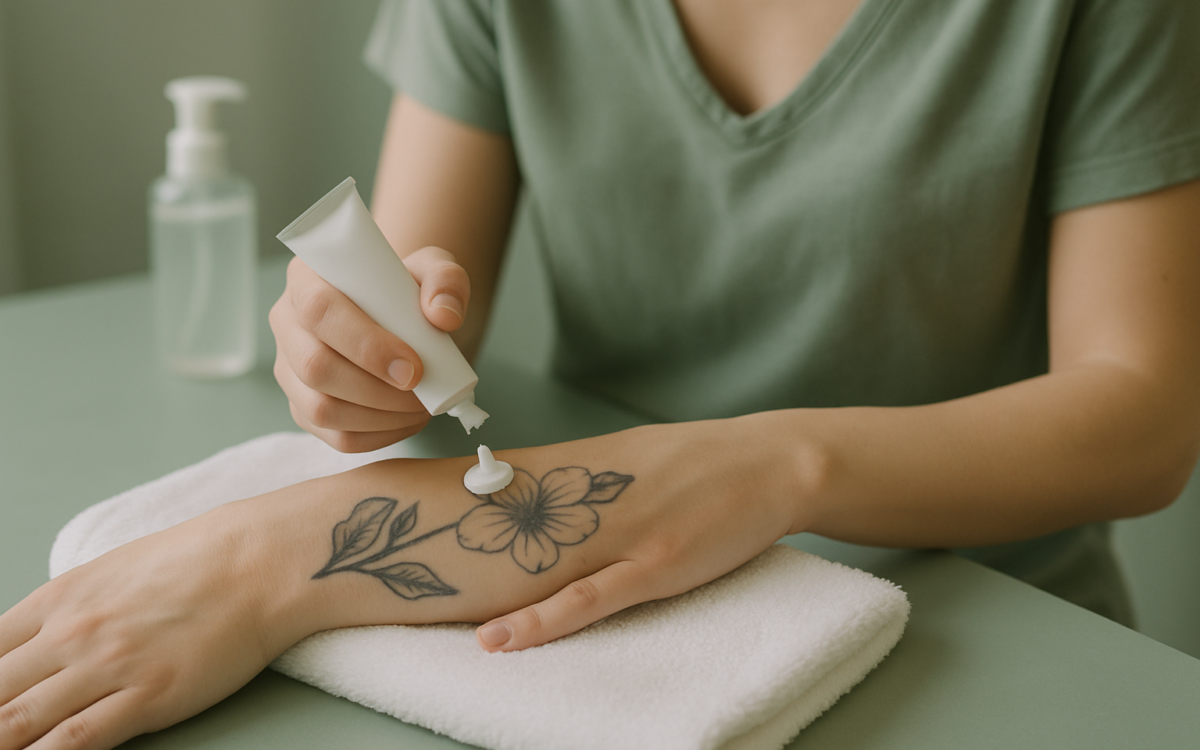
Getting a tattoo can be an exciting way to express yourself and commemorate special moments. But did you know that proper tattoo care is crucial for ensuring your new ink heals well and looks as vibrant as the day you got it? This article provides essential tattoo care instructions to help your artistry shine while also safeguarding your skin.
Understanding your new tattoo
First, it’s important to understand what a tattoo is. A tattoo is created by injecting ink into the second layer of skin, known as the dermis. When done by a licensed professional, this process is typically safe; however, your skin will need time to heal. Your tattoo artist will likely give you specific advice, but here are some general instructions to follow.
The first hours after getting your tattoo
Once your tattoo is completed, it will be covered with a bandage or wrap. You should keep this on for a few hours, as it allows your skin to start the healing process. During this time, you should:
- Keep the bandage on for 2-4 hours, as recommended by your tattoo artist.
- Avoid touching the tattoo with dirty hands.
- After the initial covering is removed, gently wash the area with lukewarm water and mild, fragrance-free soap to remove any excess ink, blood, or ointment. Pat dry with a clean paper towel.
Daily care for the first few weeks
The days and weeks following your tattoo application are vital for proper care. Here’s what you should do:
- Apply a thin layer of a fragrance-free healing ointment or moisturizer recommended by your artist. This keeps the tattoo hydrated and protects it during the healing process.
- Avoid long baths, swimming pools, and hot tubs. Exposure to water can lead to infection or cause the ink to fade.
- Keep the tattoo out of direct sunlight. If you’re going outside, it’s best to cover the tattoo with clothing until it’s fully healed.
- Avoid picking or scratching the tattoo. Scabbing may occur, and it’s essential to let it flake off naturally to avoid altering the design.
Signs of infection to watch for
While complications are rare, infections can occur. Knowing the signs is essential for timely intervention. Watch for:
- Redness that spreads beyond the tattoo area.
- Swelling and increasing pain.
- Pus or other drainage coming from the tattoo.
- Fever or chills.
If you experience any of these symptoms, it’s important to consult your doctor or healthcare provider. The CDC outlines signs and prevention measures for skin infections and care.
Long-term tattoo maintenance
Once your tattoo has healed, maintaining its appearance is important for years to come. Here are some tips for long-term care:
- Apply sunscreen: Tattoos can fade over time due to sun exposure. Always apply a broad-spectrum sunscreen of at least SPF 30 before heading out.
- Keep your skin hydrated: Moisturizing your skin will help maintain the vibrancy of your tattoo. Choose a lotion that suits your skin type.
- Regularly check your tattoo: Keep an eye on the ink and the surrounding skin. If you notice any changes like unusual discoloration or textural changes, seek medical advice.
Myths about tattoo care
There are several myths surrounding tattoo care; understanding them can help you avoid mistakes:
- Myth 1: “You can let a tattoo heal on its own.”
Fact: This can lead to infections or poor healing. Active care is essential. - Myth 2: “You need to remove scabs immediately.”
Fact: Letting scabs fall off naturally helps avoid scarring. - Myth 3: “Covering it up all the time is best.”
Fact: While protection from the sun is important, tattoos also need exposure to air for full healing.
When to see a doctor
If you experience any signs of infection or unusual changes in your tattoo’s appearance, consult a healthcare professional. It’s especially important to seek medical attention if you have a pre-existing condition that affects healing, such as diabetes. For more information on infection prevention, you can explore the National Institutes of Health’s resources.
Ultimately, taking the time to care for your tattoo can help it remain as beautiful as the day it was created. Remember to consult your artist for personalized care instructions and always prioritize your skin’s health.
