
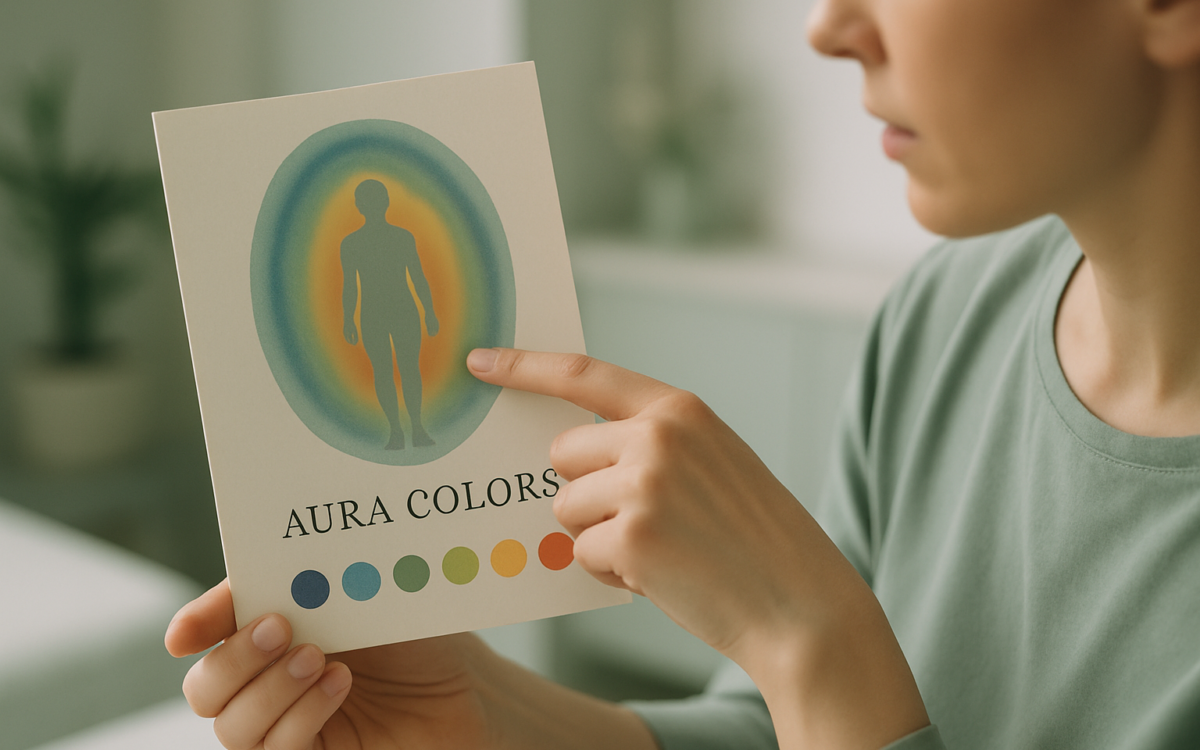
Have you ever felt a strong connection to a particular color, as if it resonates with your feelings or personality? Many people believe that these connections are linked to the concept of auras, which are said to be energy fields that surround individuals. Aura colors can reflect various emotional, mental, and spiritual states. While the scientific community is still exploring the validity and implications of auras, understanding their potential meanings can enhance self-awareness and personal growth.
What is an Aura?
The term ‘aura’ is derived from the Greek word for ‘breeze’ and refers to the subtle, energetic field that surrounds a person. Believers in aura color readings propose that everyone emits a unique aura, which can change based on one’s emotional state, physical health, and mental clarity. While some practices, like aura reading, fall within holistic and spiritual traditions, research continues to examine how energy fields might interact with our bodies. You can read more on this topic through resources like the NIH.
The Colors of Auras
In the world of auras, colors are often associated with particular meanings. Let’s explore some of the most commonly cited colors and their potential significance:
- Red: Often linked to passion, energy, and action. People with a predominantly red aura may be seen as dynamic and driven.
- Orange: Associated with creativity and emotional balance. This color can suggest enthusiasm and a zest for life.
- Yellow: Typically connected to joy and positivity. A yellow aura can indicate optimism and clarity of thought.
- Green: Recognized as a sign of growth and healing. Those with green auras are often thought to be empathetic and nurturing.
- Blue: Represents calmness and communication. A blue aura may indicate someone who is trustworthy and peaceful.
- Purple: Associated with spirituality and intuition. This color might suggest a strong connection to the metaphysical or a heightened sense of awareness.
How Aura Colors Change
One fascinating aspect of auras is their fluidity. The color of an aura is believed to fluctuate based on a person’s mental and emotional state. Stress, joy, anger, and tranquility can all cause visible changes in one’s aura. For instance, someone experiencing a stressful situation might notice a shift from a calm blue aura to a more chaotic red or gray. Recording these changes could be a useful self-reflective tool, helping to identify patterns in your emotional responses.
How to Perceive or Read Auras
If you’re curious about what your aura might be saying, you can try a few simple practices to start perceiving these layers of energy:
- Meditation: Spend time each day in quiet reflection. This can help you tune into your own energy and potentially perceive your aura.
- Grounding Exercises: Techniques such as connecting with nature can enhance your ability to sense your energy field.
- Observing Others: Practice by observing the auras of friends or family. Use soft focus with your eyes to see any colored glows around them.
Scientific Perspectives on Auras
It’s important to note that the concept of auras has not been scientifically proven. Many studies are ongoing to investigate human energy fields and how they might interact with our physical and mental health. While some researchers explore the potential biological underpinnings of these beliefs, skeptics argue that current evidence is not sufficient to firmly establish the existence of auras. Furthers studies may provide clarity on this intriguing topic. You can learn more about the science behind health and wellness from sources like the World Health Organization.
Mindfulness and Auras
Regardless of the scientific validity of aura colors, many individuals find value in exploring their meanings through a mindfulness lens. Engaging with this practice can foster a deeper understanding of one’s self. Here are a few practices to integrate mindfulness with aura exploration:
- Journaling: Document your feelings daily and note any corresponding color associations you feel drawn to.
- Visualization: Incorporate guided imagery into your meditation, imagining your aura expanding or shifting colors.
- Breathwork: Use breathing exercises to center yourself and become more aware of your energy state.
When to See a Doctor
While exploring aura colors can be a fun exercise in self-reflection, it’s essential to pay attention to your overall well-being. If you experience persistent mood changes or feel mentally unwell, it may be wise to consult a healthcare professional. Mental health is just as important as physical health, and seeking appropriate help can lead to effective strategies for emotional coping.
In summary, aura colors, whether viewed through a spiritual lens or as a tool for mindfulness, provide a fascinating glimpse into our emotional and mental states. By exploring your aura and its colors, you might gain insights that promote greater self-awareness and personal growth. The journey is as unique as each individual, encouraging exploration, reflection, and a commitment to understanding the energy we emanate and receive.
