
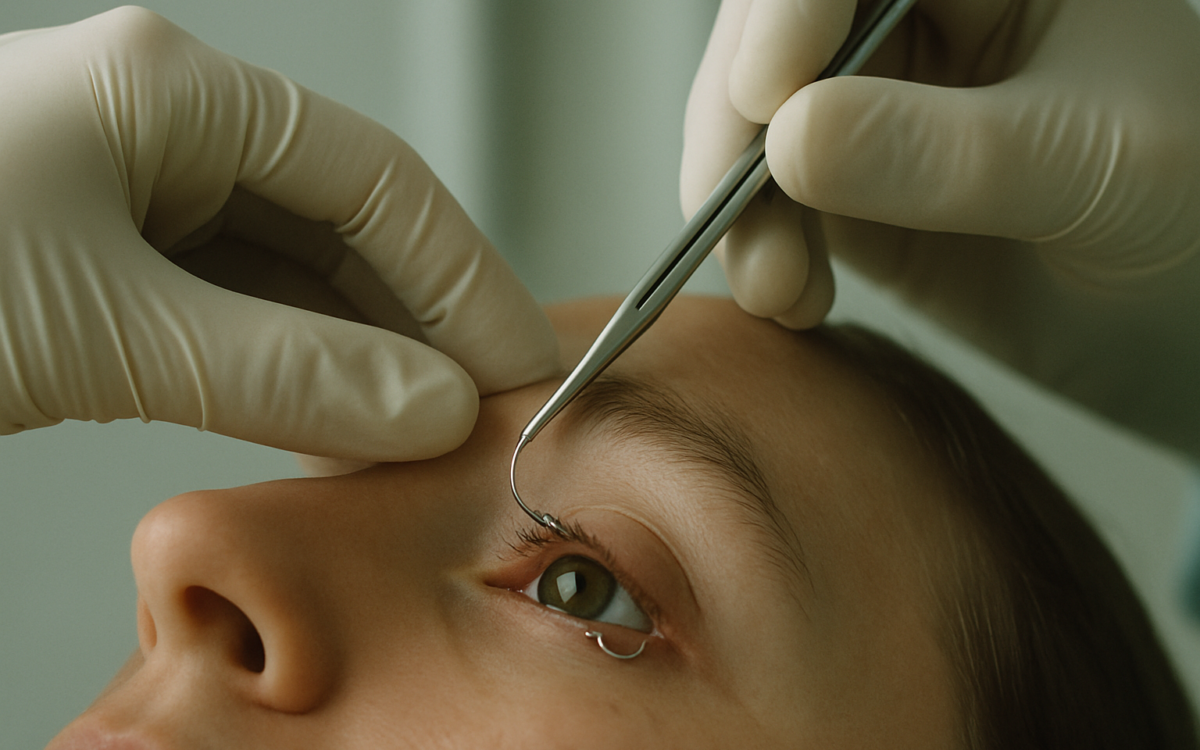
Eye piercing, often a topic of curiosity, blends cultural traditions with modern body art. While various forms of body piercing have gained popularity over time, eye piercing remains one of the more controversial options. Many people want to express themselves artistically, but it’s crucial to understand the implications of eye piercing, including the potential risks, care requirements, and the cultural significance behind this practice.
What is Eye Piercing?
Eye piercing involves creating a hole in or around the eye area, which can include procedures like inserting jewels into the sclera (the white part of the eye) or tattooing the eyeball itself. This practice has existed in various cultures for centuries but has recently gained attention worldwide, often through social media. Those who get their eyes pierced do so for different reasons: self-expression, beauty, or cultural identity.
The Risks Involved
While eye piercing can be a form of artistic expression, it is also fraught with risks. Some of the potential complications include:
- Infection: The eye is particularly sensitive and vulnerable to infection. Bacteria can enter through the piercing site, leading to serious health issues.
- Vision problems: Incorrectly performed piercings can lead to vision impairment or even loss. It may also interfere with the eye’s natural function.
- Allergic reactions: Reactions to the materials used in the piercing can cause inflammation, discomfort, or severe allergic responses.
- Corneal damage: An improper piercing technique can result in scratches or damage to the cornea, the eye’s outer layer.
According to the National Institutes of Health, anyone interested in this type of piercing should thoroughly research the procedure and consider all potential risks before moving forward.
Caring for Your Eye Piercing
If you decide to go ahead with eye piercing, proper aftercare is critical to minimizing risks. Here are some essential care tips:
- Avoid touching: Try to minimize touching your eyes to prevent introducing bacteria.
- Keep it clean: Clean the area around the piercing regularly with saline solution or a doctor-recommended cleanser to prevent infections.
- Follow professional advice: Always adhere to the aftercare instructions given by the professional who performed the piercing.
- Monitor your eye: Keep an eye (pun intended) out for any signs of infection, discomfort, or changes in vision.
Pay attention to your body and how it reacts after the procedure. If you notice any concerns, you should reach out to a healthcare professional right away.
Cultural Perspectives on Eye Piercing
Eye piercing can hold significant cultural importance in certain communities. For example, it may represent rites of passage, beauty standards, or even spiritual beliefs. In some cultures, body modification, including eye piercing, is seen as a way to connect with ancestry or community identity. It is essential to understand and respect these cultural meanings if you choose to engage in this practice.
Alternatives to Eye Piercing
If you’re intrigued by the idea of eye piercing but are concerned about the risks, there are alternatives. Consider decorative contact lenses that offer vibrant colors or patterns without the need for invasive procedures. Temporary tattoos or body art can also be a fun way to experiment with your style without permanent alterations.
Seeking Professional Help
Before deciding on eye piercing, it’s vital to speak with a qualified healthcare professional. They can provide insights on whether this procedure is suitable for you, discuss the risks involved, and offer personalized advice on care and alternatives. Consulting a qualified practitioner ensures that you are well-informed about the implications of this choice.
When to See a Doctor
If you notice any unusual symptoms after an eye piercing, such as:
- Increased pain or discomfort
- Redness or swelling around the area
- Discharge or pus
- Changes in vision
You should seek medical attention immediately. These could be signs of an infection or other complications that require prompt care.
Understanding the essence of eye piercing goes beyond aesthetics; it touches on health, culture, and personal expression. Always weigh the pros and cons and consult with a medical expert to ensure a safe and informed decision.
