
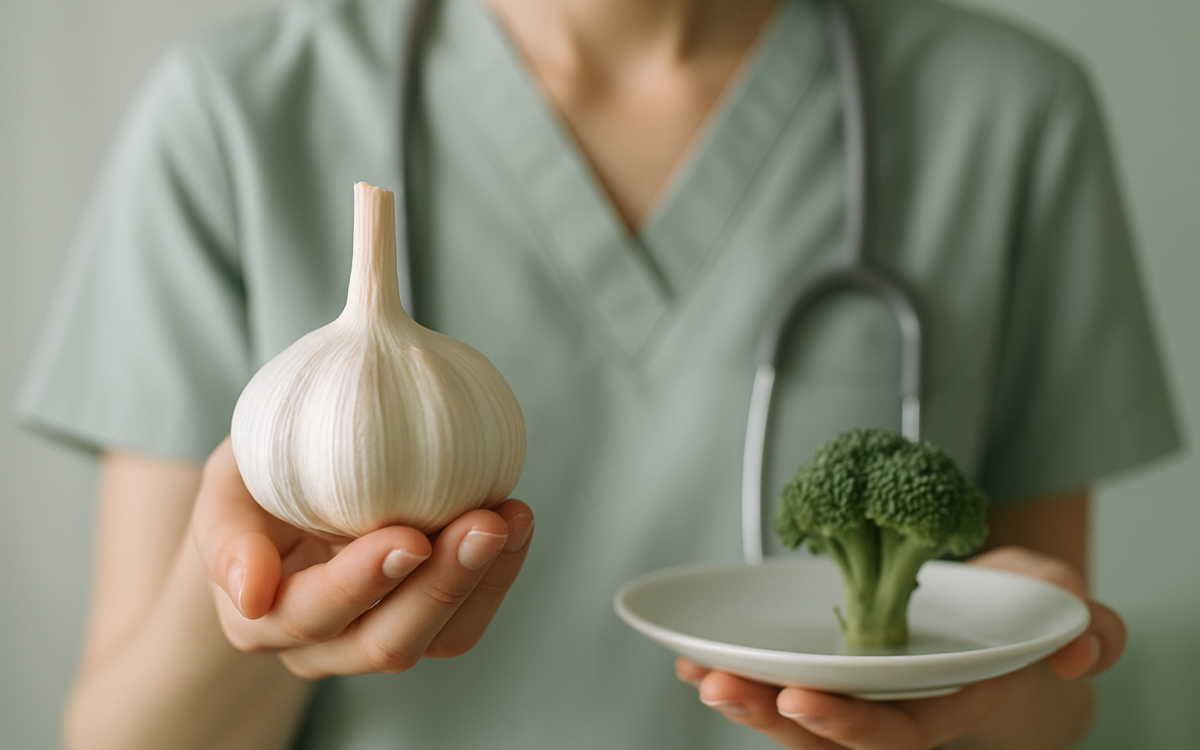
Garlic is a staple ingredient in kitchens around the world, celebrated for its flavor and health benefits. But how exactly do we classify garlic? Is it a vegetable? In this article, we will explore garlic’s classification, its nutritional profile, and its health benefits, helping you understand why it deserves a prominent place in your diet.
What is Garlic?
Garlic (Allium sativum) is a bulbous plant belonging to the onion family, which also includes onions, leeks, and shallots. Commonly used as a seasoning, garlic plays a key role in various cuisines. It is often used fresh, dried, or in oil form. While we often think of garlic in relation to its culinary uses, it is essential to understand its classification in the plant kingdom.
Garlic’s Classification: Vegetable or Herb?
The classification of garlic can be somewhat confusing. Botanically speaking, garlic is classified as a herb. Specifically, it is the bulb of the garlic plant that we eat, which is often perceived as a vegetable in culinary contexts. So, while it is not a vegetable in the strict botanical sense, it can be considered a vegetable when viewed from a culinary perspective.
- Botanical Perspective: In botany, herbs are plants with soft stem structures, and garlic fits this definition.
- Culinary Perspective: In cooking, garlic is used much like vegetables, contributing flavor and nutrition to dishes.
- Health Perspective: Many people include garlic in their vegetable servings because of its health benefits.
Nutritional Benefits of Garlic
Garlic is not just a flavorful addition to meals; it is also packed with nutrients. Here’s a closer look at what garlic has to offer:
- Vitamins and Minerals: Garlic contains vitamins B6 and C, manganese, and trace amounts of calcium and potassium.
- Antioxidants: Garlic is rich in antioxidants, which can help protect the body from oxidative stress and lower the risk of chronic diseases.
- Allicin: One of garlic’s most beneficial compounds, allicin, is released when garlic is chopped or crushed and has been linked to several health benefits.
The NLM’s National Center for Biotechnology Information highlights studies showing that allicin can improve heart health, reduce cholesterol levels, and offer anti-inflammatory properties.
Health Benefits Associated with Garlic
Garlic has been used in traditional medicine for centuries, and modern research supports many of its purported health benefits:
Heart Health
Research has shown that garlic can help lower blood pressure and cholesterol levels, contributing to better heart health. Regular consumption can reduce the risk of heart disease.
Immune System Support
Garlic is known to boost the immune system. Studies suggest that regular intake may help reduce the severity and duration of colds and other infections.
Antimicrobial Properties
Garlic exhibits antimicrobial properties, making it effective against bacteria, fungi, and viruses. This can be especially beneficial for digestive health.
Cooking with Garlic: Tips and Tricks
Incorporating garlic into your cooking can enhance flavors while providing health benefits. Here are some tips:
- Fresh vs. Processed: Fresh garlic offers the most health benefits. Crushing or chopping garlic activates the enzymes that produce allicin.
- Cooking Tips: Add garlic towards the end of cooking to preserve its flavor and nutritional value.
- Garlic Oil: For those wanting a milder flavor, using garlic-infused oil can be a flavorful alternative.
Potential Risks and Considerations
While garlic is generally safe for most people, there are some considerations to keep in mind:
- Allergies: Some individuals may be allergic to garlic, which can lead to skin reactions or digestive issues.
- Medication Interactions: Garlic can interact with certain medications, especially blood thinners. It’s vital to consult your healthcare provider if you’re taking medications.
- Digestive Issues: For some, consuming large amounts of garlic may cause stomach upset or digestive discomfort.
When to See a Doctor
If you experience adverse effects after consuming garlic, such as severe digestive issues, skin rashes, or any allergic reaction, consult with a healthcare professional. It’s also advisable to discuss with your doctor if you’re considering making significant changes to your diet or if you’re taking medications that may interact with garlic.
Conclusion
In conclusion, while garlic is classified as a herb botanically, it plays an essential role in both culinary and health contexts, often being treated as a vegetable in cooking. Packed with nutrients and beneficial compounds, garlic is not just a flavor enhancer; it can be a valuable addition to a healthy diet. Whether for fighting colds, supporting heart health, or simply adding zest to dishes, garlic deserves a place in your kitchen. So go ahead, embrace this humble bulb and enjoy its myriad benefits!
