
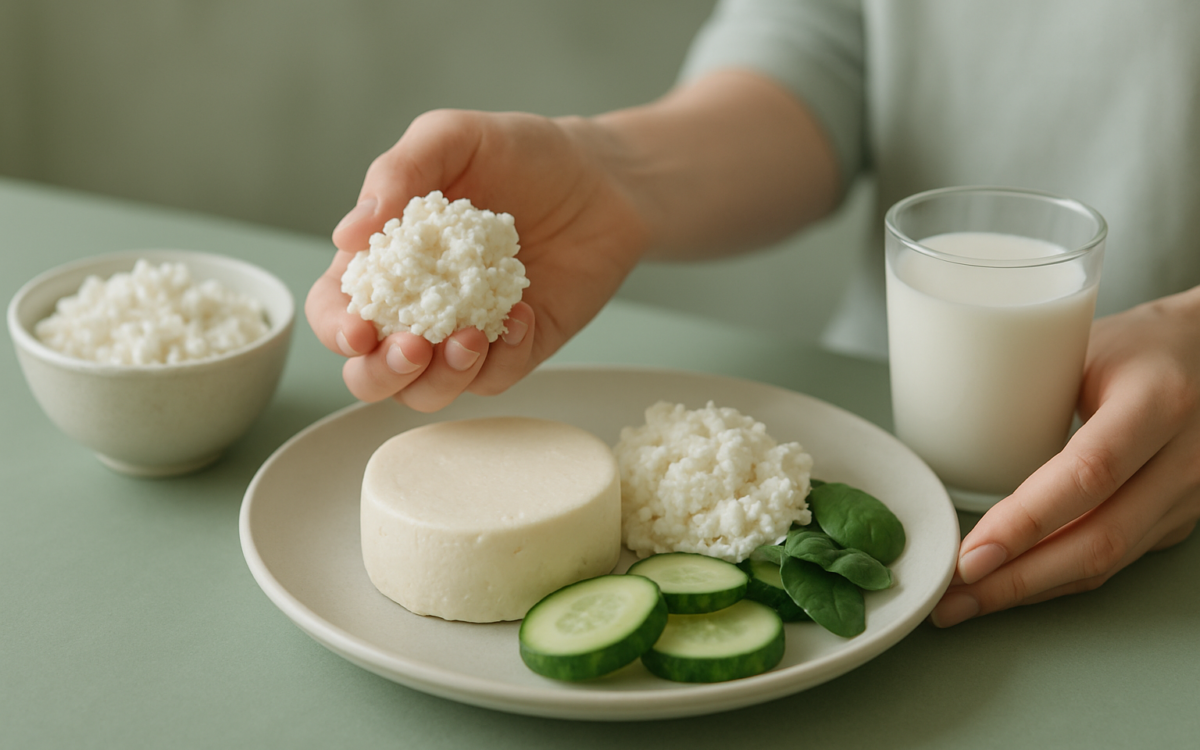
Cheese is a beloved food around the world, offering an array of flavors, textures, and culinary uses. However, it often gets a bad rap for being high in fat and sodium. The good news is that there are many healthy cheese options available that can fit into a balanced diet. In this article, we will explore what makes cheese healthy, the various types of cheese to consider, and tips for incorporating them into your meals.
Understanding the Nutritional Value of Cheese
Cheese is a dairy product rich in nutrients that contribute to a balanced diet. It provides several key vitamins and minerals, including:
- Calcium: Essential for strong bones and teeth.
- Protein: Important for building and repairing tissues.
- Vitamin B12: Vital for red blood cell formation and brain health.
- Phosphorus: Plays a role in energy production and maintaining strong bones.
- Vitamin A: Supports immune function and vision.
According to research from the National Institutes of Health, cheese can be part of a healthy diet due to its protein, calcium, and vitamin content, provided it’s consumed in moderation.
Choosing Healthier Cheese Varieties
When it comes to selecting healthy cheese, variety matters. Here are some wholesome options to consider:
1. Cottage Cheese
Cottage cheese is low in fat and high in protein, making it a great choice for those looking to maintain or lose weight. It’s versatile and can be enjoyed with fruits, in salads, or as a spread.
2. Ricotta Cheese
Ricotta delivers a creamy texture with a lower fat content compared to many other cheeses. It contains calcium and protein, making it a healthy addition to pasta dishes or used in desserts.
3. Feta Cheese
Feta is a tangy cheese made from sheep’s milk or a combination of sheep and goat. It is lower in fat and calories compared to many hard cheeses, and its strong flavor means you can use less to achieve the same taste satisfaction.
4. Mozzarella
Particularly in its part-skim form, mozzarella is a moderate source of fat and a good source of protein. It pairs well with a variety of dishes, from pizza to fresh salads.
5. Goat Cheese
Lower in fat and easier to digest than cow’s milk cheese, goat cheese offers a different flavor profile and is often suitable for those with lactose intolerance. It can add a unique touch to salads and spreads.
How to Incorporate Healthy Cheese into Your Diet
Now that we know which cheeses are the healthiest, the next step is finding ways to include them in our daily meals. Here are some simple ideas:
- Breakfast: Top whole-grain toast with ricotta and fresh fruit or enjoy cottage cheese with berries.
- Lunch: Add crumbled feta cheese to a mixed greens salad or use mozzarella in a whole-grain wrap.
- Dinner: Incorporate cheeses like goat or ricotta into pasta dishes, or use smaller amounts of feta to flavor roasted vegetables.
- Snacks: Pair slices of cheese with whole grain crackers or fresh fruit for a nutritious snack.
According to the World Health Organization, incorporating a variety of whole foods, including dairy, supports overall health. Using these cheeses thoughtfully can enhance nutrition without overdoing calories or saturated fats.
Cheese and Dietary Restrictions
If you’re lactose intolerant or following a vegan diet, cheese may seem off-limits. However, there are lactose-free options and plant-based alternatives that can give you the satisfaction of cheese without the drawbacks. lactose-free cheeses are available in many stores. Vegan cheeses made from nuts, soy, or coconuts can also provide creamy textures that work in various recipes.
Making Conscious Cheese Choices
When shopping for cheese, always check the labels. Opt for varieties that are lower in sodium and fat. Natural cheeses tend to be healthier than processed cheeses, which can contain additives and preservatives. Look for organic options when possible, as they often have fewer chemicals and additives.
In moderation, cheese can be part of a nutritious diet. It’s important to enjoy it as part of a balanced approach to eating rather than as a primary nutrient source.
When to See a Doctor
If you experience any adverse reactions after consuming cheese or any dairy products, such as digestive issues or allergic reactions, it’s best to consult a healthcare professional. They can provide insights into lactose intolerance or allergies to dairy ingredients.
In conclusion, cheese can be a healthy and delicious part of your diet when chosen wisely and consumed in moderation. By exploring healthier options and incorporating them into varied meals, you can enjoy this versatile food while still prioritizing your health.
