
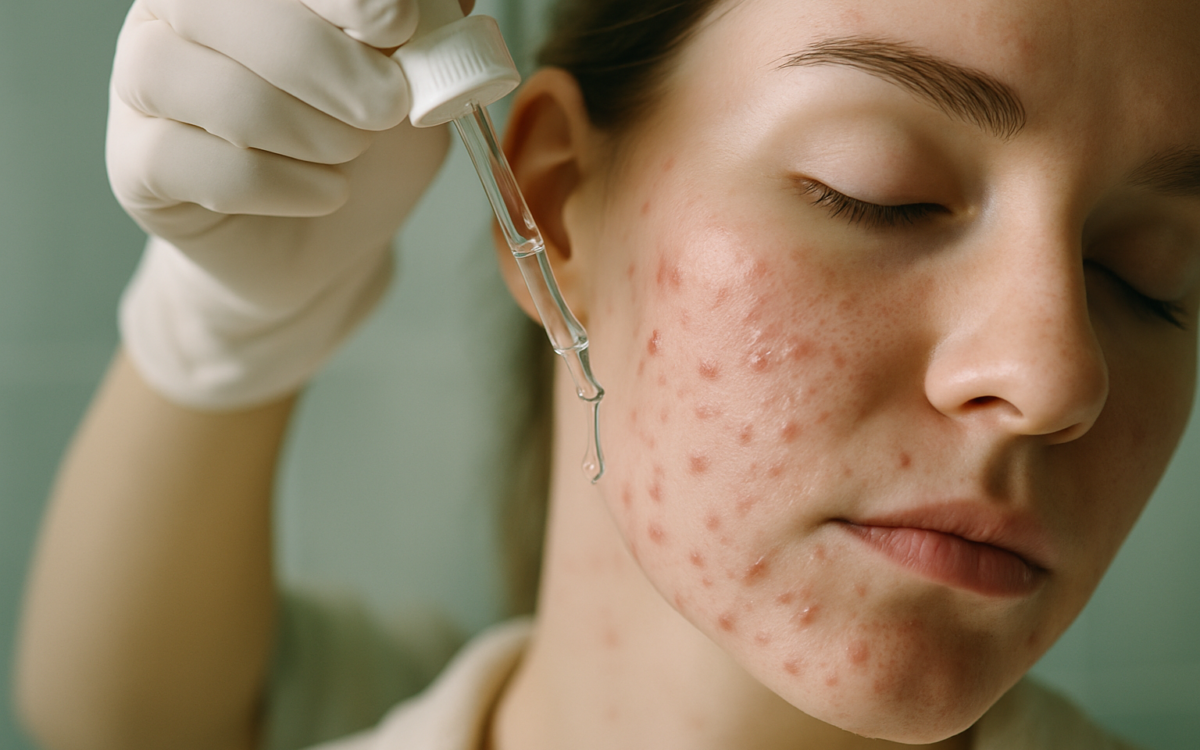
Acne is a common skin condition that affects many individuals, particularly teenagers and young adults. While there are numerous treatments available, some people are exploring the benefits of different ingredients, including hyaluronic acid. This naturally occurring substance is often praised for its moisturizing properties, but can it really be effective for acne? Let’s delve into what hyaluronic acid is, how it works, its effects on acne, and much more.
What is hyaluronic acid?
Hyaluronic acid is a glycosaminoglycan, which is a type of molecule that attracts and retains moisture in the skin. Naturally found in our bodies, particularly in connective tissues, skin, and cartilage, it plays a crucial role in keeping skin hydrated and elastic. Over the years, hyaluronic acid has become a popular ingredient in skincare products due to its ability to hold up to 1,000 times its weight in water. With this powerful hydrating capability, many people wonder if it can benefit those suffering from acne.
How does hyaluronic acid work on the skin?
The primary function of hyaluronic acid is to maintain moisture balance in the skin. When applied topically, it forms a protective barrier that helps lock in moisture, making the skin feel plumper and more hydrated. This can lead to several benefits for those with acne-prone skin:
- Hydration: Acne can often cause dryness, particularly when using certain acne medications. By keeping the skin moisturized, hyaluronic acid can help alleviate this issue.
- Reduction of irritation: Acne treatments can be harsh on the skin, leading to redness and irritation. Hyaluronic acid’s soothing properties can help calm the skin.
- Healing of scars: While hyaluronic acid doesn’t directly treat the root causes of acne, its moisturizing properties can aid in the healing process of acne scars.
Can hyaluronic acid help with acne treatment?
While hyaluronic acid is not a direct acne treatment, its benefits for skin hydration and healing can create a healthier environment for skin recovery. By keeping the skin moisturized, it can reduce dryness and irritation caused by other acne treatments, such as retinoids or benzoyl peroxide. Additionally, hydrating the skin can help manage the production of oil, which may reduce the likelihood of clogged pores and breakouts.
Potential benefits of hyaluronic acid for acne-prone skin
1. Enhancing skin barrier function: A well-hydrated skin barrier is essential in keeping out irritants and preventing acne flare-ups. By enhancing the barrier function of the skin, hyaluronic acid may help protect against environmental aggressors.
2. Supporting skin healing: Proper hydration can promote the healing of existing acne spots, decreasing the chance of scarring.
3. Minimizing the appearance of pores: Well-hydrated skin can appear smoother and may make pores look less noticeable, which can be particularly appealing to those dealing with acne.
Product recommendations and usage tips
If you are considering using hyaluronic acid in your skincare routine, it’s essential to select products that match your skin type and concerns. Look for serums, creams, or gels that contain hyaluronic acid as an active ingredient. Here are some tips for effectively incorporating it into your routine:
- Layering: Apply hyaluronic acid on damp skin after cleansing. This can help it retain moisture more effectively.
- Follow-up with moisturizer: After applying hyaluronic acid, use a moisturizer to lock in the hydration, especially if you have dry skin.
- Adjust based on your products: If you’re using other acne treatments, consult with a dermatologist on the best way to incorporate hyaluronic acid.
When to see a doctor
If you are experiencing persistent or severe acne, it’s important to consult with a dermatologist. They can help develop a treatment plan tailored to your specific needs. Additionally, if you notice any adverse reactions after using hyaluronic acid or any other skincare products, seek professional advice.
Conclusion
While hyaluronic acid is not a cure for acne, it can provide significant benefits for acne-prone skin by supporting hydration and helping to heal the skin. Its gentle nature makes it suitable for those with sensitive skin, offering relief from irritation caused by harsher acne treatments. If you’re curious about integrating this ingredient into your skincare regimen, take the time to explore products within a balanced routine to help achieve your desired skin health. As always, consulting a dermatologist is the best way to determine how to manage your specific skincare challenges.
