
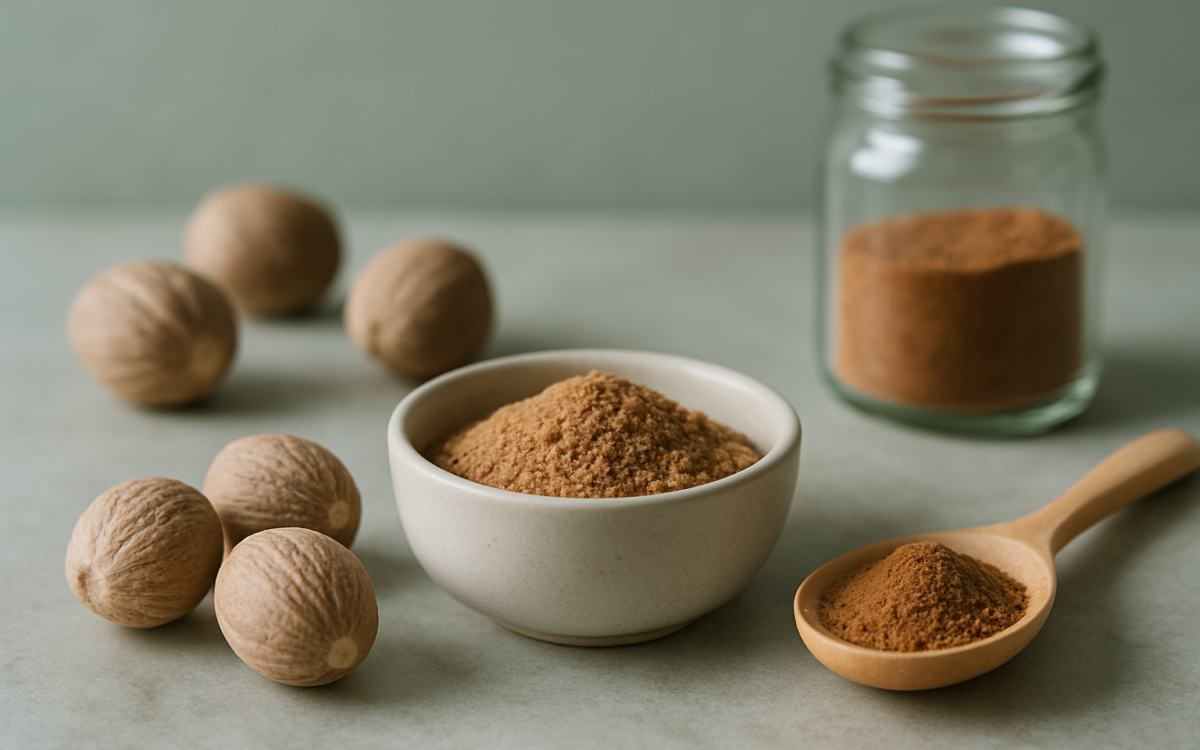
Nutmeg is a beloved spice known for its warm, sweet flavor, often used in baking, cooking, and even beverages. However, there may be times when you find yourself without nutmeg on hand or perhaps even looking for a slightly different flavor profile. Fear not! There are a variety of nutmeg substitutes that can enhance your dishes just as well. In this article, we’ll explore some top alternatives, discover their flavor profiles, and learn how to use them effectively in your recipes.
Why Use Nutmeg?
Nutmeg (Myristica fragrans) is a spice derived from the seed of the nutmeg tree, native to the Spice Islands of Indonesia. It has a unique taste that combines sweetness with warmth, making it a popular choice for both sweet and savory dishes. It’s commonly added to recipes for pumpkin pie, gingerbread, and even creamy sauces. With its deep, aromatic flavor, nutmeg enhances the overall taste experience of many foods.
Common Reasons for Looking for Substitutes
- Allergies or Sensitivities: Some individuals may be allergic to nutmeg or have sensitivities that lead them to seek alternatives.
- Availability: Nutmeg may not be readily available in your pantry or local store when you need it.
- Flavor Variation: You may want to experiment with different flavors or find a substitute that pairs better with specific ingredients.
Top Nutmeg Substitutes
Cinnamon
Cinnamon is perhaps the most common substitute for nutmeg. With its aromatic and warm flavor, it can complement many of the dishes typically enhanced by nutmeg. While it doesn’t have the same level of sweetness, when used in equal measures, it can add a similar warmth to recipes like baked goods and spiced beverages.
Allspice
Allspice combines the flavors of cinnamon, nutmeg, and cloves, making it an excellent substitute. Because allspice has a complex flavor profile, using it in place of nutmeg is ideal for savory dishes such as stews and sauces, as well as sweet treats. Typically, a one-to-one substitution works well, but adjust based on your taste preferences.
Cloves
Cloves are another strong alternative that can provide a similar warmth to dishes. The flavor is much more intense, so it’s best to use a smaller quantity, such as half the amount of what the recipe calls for in nutmeg. Ground cloves work well in baked goods, especially those with rich flavors like chocolate or molasses.
Cardamom
Cardamom offers a unique twist as a nutmeg substitute. With its slightly sweet and spicy flavor, cardamom can enhance both sweet and savory dishes. Like cloves, it’s potent, so consider starting with half the amount and adjusting to taste. It can create delightful results in baked goods, curries, and even hot beverages.
Vanilla
While vanilla doesn’t replicate the distinct spicy notes of nutmeg, its sweet and fragrant profile makes it a suitable substitute in many desserts. Consider using a teaspoon of vanilla extract for every ¼ teaspoon of nutmeg. This substitution is excellent in sweet recipes like custards, cakes, and pancakes.
Ginger
Fresh or ground ginger adds a spicy kick and warmth to dishes, making it a convenient substitute for nutmeg in certain recipes. While the flavor will differ, it can still add a similar depth. Use fresh ginger judiciously, while ground ginger lends a handy spice. A good starting point is to replace one part nutmeg with a half part ginger.
When to See a Doctor
While nutmeg and its substitutes are generally safe when used in cooking and baking, some people may experience allergic reactions. Signs include hives, difficulty breathing, or swelling of the face, lips, or throat. If you have concerns about allergies or sensitivities to spices, consult your healthcare provider for personalized advice.
Conclusion
Nutmeg is indeed a delightful spice, but it’s reassuring to know there are numerous substitutes to keep your culinary creations flavorful and exciting. From cinnamon to allspice, each alternative has its own unique profile that can enhance your dishes in different ways. Experimenting with these substitutes can open up a world of flavor in your cooking. Remember to adjust the amounts to suit your taste, and enjoy the journey of discovering new flavors in your kitchen!
