
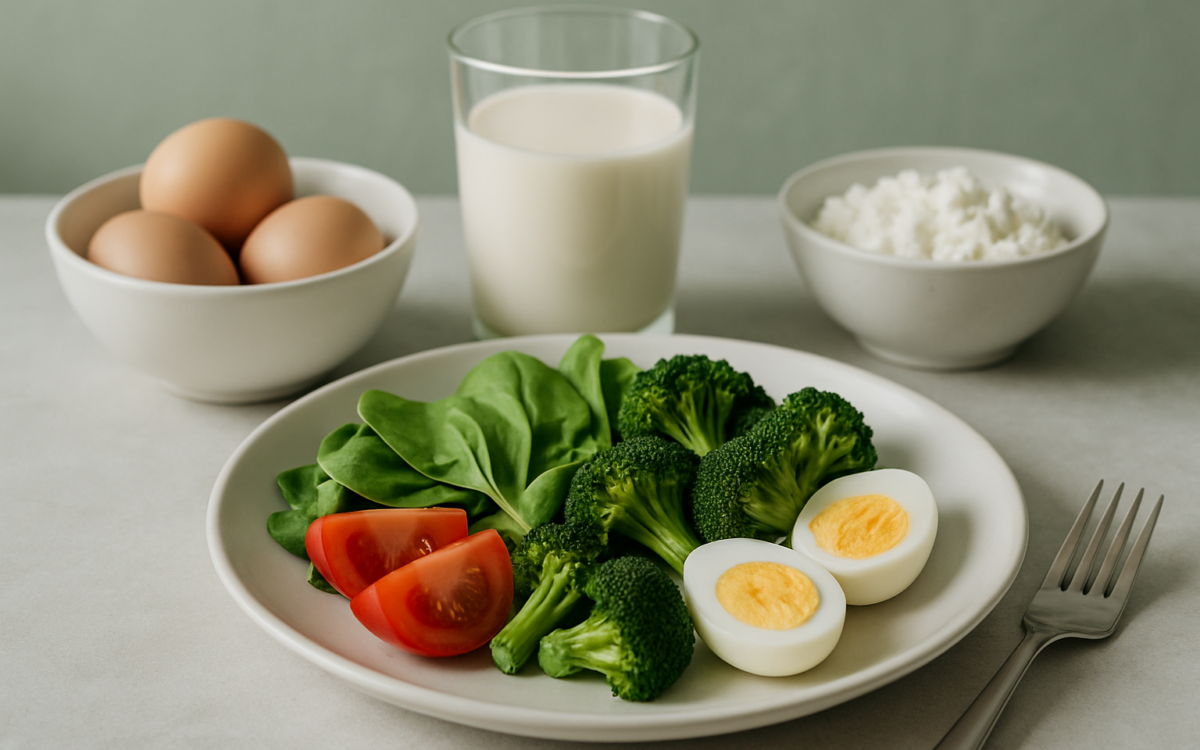
In a world increasingly focused on health and sustainability, many are turning to a vegetarian diet. Among the various vegetarian options, the lacto-ovo vegetarian diet is one of the most popular. This eating pattern includes plant-based foods along with dairy and eggs. If you’re curious about the benefits and practicalities of a lacto-ovo vegetarian lifestyle, read on.
What is a Lacto-Ovo Vegetarian Diet?
The term lacto-ovo vegetarian comes from two Latin words: ‘lacto’ meaning milk and ‘ovo’ meaning egg. Therefore, a lacto-ovo vegetarian diet includes:
- Fruits and vegetables
- Grains
- Nuts and seeds
- Dairy products (like milk, cheese, and yogurt)
- Eggs
This diet excludes meat, fish, and poultry but allows for a variety of other delicious foods, making it easier for many people to adopt.
Health Benefits of a Lacto-Ovo Vegetarian Diet
Research suggests that following a lacto-ovo vegetarian diet may come with a range of health benefits:
- Reduced Risk of Chronic Diseases: Studies indicate that vegetarians generally have lower rates of heart disease, type 2 diabetes, and certain cancers. A lacto-ovo vegetarian diet, rich in fruits, vegetables, and whole grains, can contribute to this protective effect (NIH).
- Weight Management: With a focus on plant-based foods, a lacto-ovo vegetarian diet is often lower in calories and fat than meat-based diets. This can aid in weight management or loss, particularly when combined with regular physical activity.
- Improved Digestive Health: Foods high in dietary fiber, such as fruits, vegetables, whole grains, and nuts, are staples of a lacto-ovo vegetarian diet, promoting healthy digestion and regular bowel movements.
Incorporating more plant-based foods into your diet can lead to overall better health and well-being.
Nutritional Considerations
While a lacto-ovo vegetarian diet offers many health benefits, it’s essential to ensure that your meals are well-balanced to avoid potential nutritional deficiencies. Here are some key nutrients to focus on:
- Protein: Eggs and dairy are excellent protein sources for lacto-ovo vegetarians. Beans, lentils, quinoa, and tofu are also great plant-based protein options.
- Iron: Non-meat iron sources include spinach, lentils, chickpeas, and fortified cereals. Pairing these foods with vitamin C-rich foods, like oranges or bell peppers, can enhance iron absorption.
- Vitamin B12: This vitamin is primarily found in animal products. Lacto-ovo vegetarians can obtain B12 through dairy products and eggs, but some may need to consider fortified foods or supplementation.
- Calcium: Dairy products are an excellent source of calcium, necessary for bone health. Plant-based sources include leafy greens, almonds, and fortified plant milks.
Being mindful of these nutrients can help ensure you’re getting a well-rounded diet.
How to Get Started with a Lacto-Ovo Vegetarian Diet
If you’re considering trying a lacto-ovo vegetarian diet, here are some practical tips to help you transition:
- Start Slowly: If you’re used to a meat-based diet, consider starting by incorporating one or two meatless meals each week. Gradually increase the number of vegetarian meals as you feel comfortable.
- Explore New Recipes: Experimenting with different vegetarian recipes can make the transition exciting. Look for dishes that include a variety of ingredients and flavors, making your meals enjoyable.
- Plan Your Meals: Meal planning can help ensure you maintain a balanced diet while avoiding the temptation to revert to meat. Prepare snacks and meals in advance to keep your diet on track.
- Join a Community: Finding a community of fellow vegetarians can provide support and encouragement. Look for local groups or online forums devoted to vegetarian cooking and lifestyles.
Transitioning to a lacto-ovo vegetarian diet can be a rewarding experience full of new tastes and cooking techniques.
Common Myths About Lacto-Ovo Vegetarianism
Despite the health benefits, various myths surround lacto-ovo vegetarianism that can create uncertainty. Here are some truths to counter the misinformation:
- Myth 1: You Can’t Get Enough Protein: Many people believe that a vegetarian diet cannot provide adequate protein. However, with eggs, dairy, and various plant-based protein sources, it is entirely possible to meet your protein needs.
- Myth 2: Lactose-Free Means Vegetarian: Some people think that lactose-free dairy products are suitable for vegetarians. While lactose-free options are great for those with lactose intolerance, traditional dairy remains part of the lacto-ovo vegetarian diet.
- Myth 3: Vegetarian Diets Are Expensive: While some specialty vegetarian products can be pricey, a lacto-ovo vegetarian diet can be cost-effective. Basics such as beans, grains, fruits, and vegetables are often more affordable than meat.
With the right understanding, you can enjoy the many benefits of a lacto-ovo vegetarian lifestyle.
When to See a Doctor
If you’re considering a lacto-ovo vegetarian diet or have been following one and notice changes in your health, it’s wise to consult a healthcare professional. They can help you address any nutritional deficiencies or dietary concerns you may have.
In summary, a lacto-ovo vegetarian diet can be a tasty and healthy way to eat while benefiting the environment. By focusing on nutritious food choices and addressing potential nutritional gaps, you can enjoy a fulfilling lifestyle that nourishes both your body and mind.
