
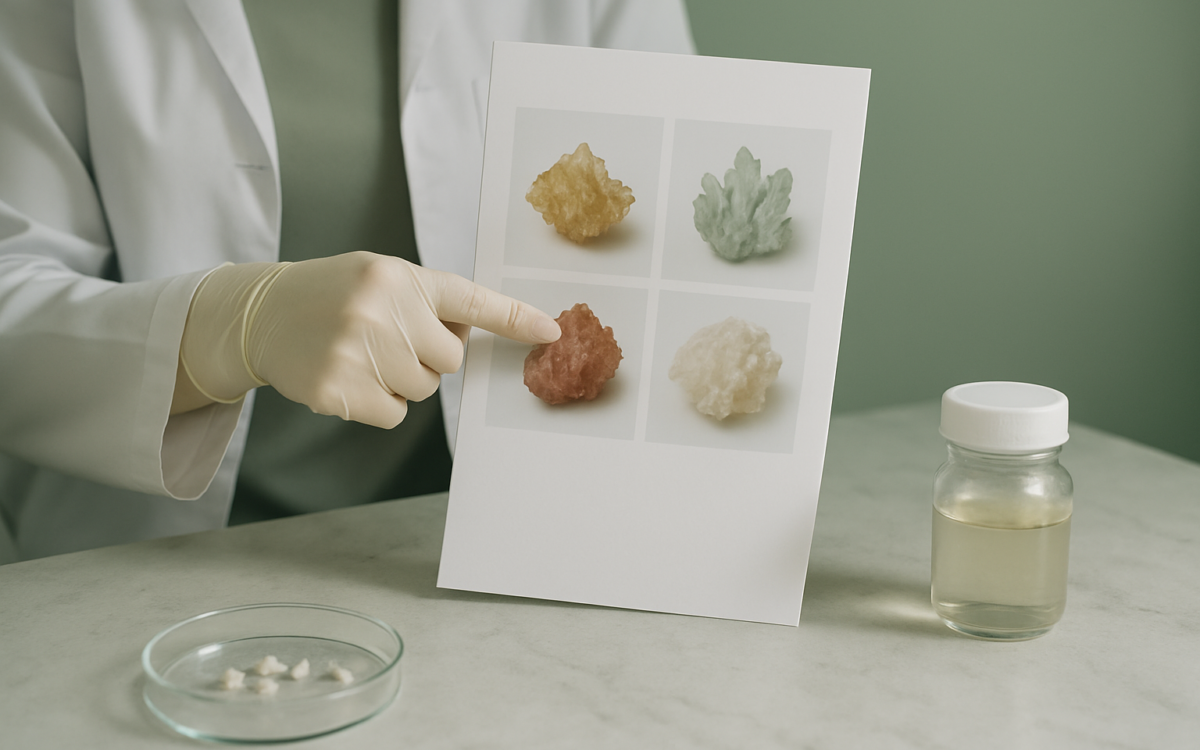
The world of crystals is both fascinating and multifaceted. Crystals come in countless shapes, sizes, and colors, and each type has unique properties and potential uses. From healing practices to decorative purposes, the significance of crystals has been celebrated for generations. In this article, we will delve into various types of crystals, each with its own characteristics and benefits, and how they might play a role in wellness and holistic practices.
Understanding Crystals: A Brief Overview
Crystals are solid substances whose atoms are arranged in an ordered pattern. This structural arrangement gives them unique properties, such as clarity, color, and hardness. Crystals can form in nature through various processes, including cooling magma or evaporation. They are commonly classified into several groups based on their composition and structure, each having distinct characteristics.
Types of Crystals
1. Quartz Crystals
Quartz is one of the most abundant minerals found in the Earth’s crust. It occurs in many forms, making it incredibly versatile. Clear quartz, known for its clarity, is often used in healing practices to amplify energy. Amethyst, a purple variant of quartz, is believed to promote calmness and clarity of thought. Citrine, with its yellow hue, is associated with positivity and abundance. Each type of quartz reflects a different wavelength of energy, making them popular in metaphysical practices.
2. Calcite Crystals
Calcite is another common crystal that comes in various colors, including clear, white, yellow, and blue. It is known for its distinct crystal structure, typically forming in rhombohedra shapes. In wellness practices, calcite is thought to enhance mental clarity, encourage positive change, and promote emotional healing. Interestingly, calcite can also increase one’s energy, making it ideal for those feeling sluggish or unmotivated.
3. Fluorite Crystals
Fluorite is prized for its striking colors and transparency. This crystal can appear in shades of green, purple, blue, and yellow. Often considered a
